
Details of Drug-Drug Interaction
| Drug General Information (ID: DDIT59R2U3) | |||||||||
|---|---|---|---|---|---|---|---|---|---|
| Drug Name | Guanfacine | Drug Info | Bictegravir | Drug Info | |||||
| Drug Type | Small molecule | Small molecule | |||||||
| Therapeutic Class | Antiadrenergic Agents | Antiviral Agents | |||||||
| Structure | |||||||||
| Mechanism of Guanfacine-Bictegravir Interaction (Severity Level: Moderate) | |||||||||
|---|---|---|---|---|---|---|---|---|---|
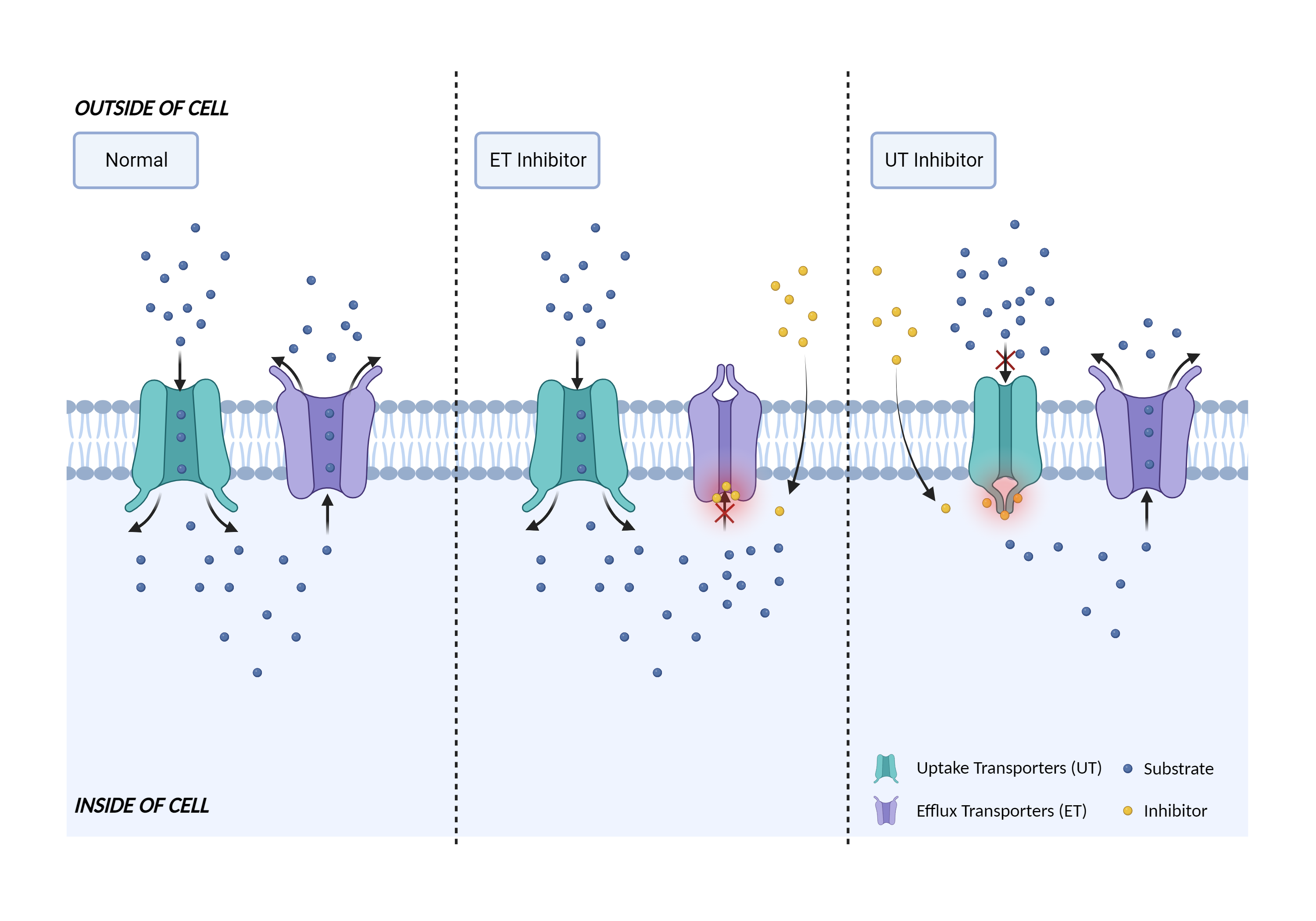
| Transporter inhibition Click to Show/Hide Mechanism Graph | |||||||||
 |
|||||||||
| Drug Name | Guanfacine | Bictegravir | |||||||
| Mechanism 1 | MATE1 substrate | MATE1 inhibitor | |||||||
| Key Mechanism Factor 1 | |||||||||
| Factor Name | Solute carrier family 47 member 1 |
×
Structure
Sequence
MEAPEEPAPVRGGPEATLEVRGSRCLRLSAFREELRALLVLAGPAFLVQLMVFLISFISSVFCGHLGKLELDAVTLAIAVINVTGVSVGFGLSSACDTLISQTYGSQNLKHVGVILQRSALVLLLCCFPCWALFLNTQHILLLFRQDPDVSRLTQTYVTIFIPALPATFLYMLQVKYLLNQGIVLPQIVTGVAANLVNALANYLFLHQLHLGVIGSALANLISQYTLALLLFLYILGKKLHQATWGGWSLECLQDWASFLRLAIPSMLMLCMEWWAYEVGSFLSGILGMVELGAQSIVYELAIIVYMVPAGFSVAASVRVGNALGAGDMEQARKSSTVSLLITVLFAVAFSVLLLSCKDHVGYIFTTDRDIINLVAQVVPIYAVSHLFEALACTSGGVLRGSGNQKVGAIVNTIGYYVVGLPIGIALMFATTLGVMGLWSGIIICTVFQAVCFLGFIIQLNWKKACQQAQVHANLKVNNVPRSGNSALPQDPLHPGCPENLEGILTNDVGKTGEPQSDQQMRQEEPLPEHPQDGAKLSRKQLVLRRGLLLLGVFLILLVGILVRFYVRIQ
|
|||||||
| Gene Name | MATE1 | ||||||||
| Uniprot ID | S47A1_HUMAN | ||||||||
| KEGG Pathway | hsa:55244 | ||||||||
| Protein Family | Multi antimicrobial extrusion (MATE) (TC 2.A.66.1) family | ||||||||
| Protein Function |
Solute transporter for tetraethylammonium (TEA), 1-methyl-4-phenylpyridinium (MPP), cimetidine, N-methylnicotinamide (NMN), metformin, creatinine, guanidine, procainamide, topotecan, estrone sulfate, acyclovir, ganciclovir and also the zwitterionic cephalosporin, cephalexin and cephradin. Seems to also play a role in the uptake of oxaliplatin (a new platinum anticancer agent). Able to transport paraquat (PQ or N,N-dimethyl-4-4'-bipiridinium); a widely used herbicid. Responsible for the secretion of cationic drugs across the brush border membranes.
Click to Show/Hide
|
||||||||
| Mechanism Description |
|
||||||||
| Mechanism 2 | OCT2 substrate | OCT2 inhibitor | |||||||
| Key Mechanism Factor 2 | |||||||||
| Factor Name | Solute carrier family 22 member 2 |
×
Structure
Sequence
MPTTVDDVLEHGGEFHFFQKQMFFLLALLSATFAPIYVGIVFLGFTPDHRCRSPGVAELSLRCGWSPAEELNYTVPGPGPAGEASPRQCRRYEVDWNQSTFDCVDPLASLDTNRSRLPLGPCRDGWVYETPGSSIVTEFNLVCANSWMLDLFQSSVNVGFFIGSMSIGYIADRFGRKLCLLTTVLINAAAGVLMAISPTYTWMLIFRLIQGLVSKAGWLIGYILITEFVGRRYRRTVGIFYQVAYTVGLLVLAGVAYALPHWRWLQFTVSLPNFFFLLYYWCIPESPRWLISQNKNAEAMRIIKHIAKKNGKSLPASLQRLRLEEETGKKLNPSFLDLVRTPQIRKHTMILMYNWFTSSVLYQGLIMHMGLAGDNIYLDFFYSALVEFPAAFMIILTIDRIGRRYPWAASNMVAGAACLASVFIPGDLQWLKIIISCLGRMGITMAYEIVCLVNAELYPTFIRNLGVHICSSMCDIGGIITPFLVYRLTNIWLELPLMVFGVLGLVAGGLVLLLPETKGKALPETIEEAENMQRPRKNKEKMIYLQVQKLDIPLN
|
|||||||
| Gene Name | 44836 | ||||||||
| Uniprot ID | S22A2_HUMAN | ||||||||
| KEGG Pathway | hsa:6582 | ||||||||
| Protein Family | Major facilitator (TC 2.A.1) superfamily | ||||||||
| Protein Function |
Mediates tubular uptake of organic compounds from circulation. Mediates the influx of agmatine, dopamine, noradrenaline (norepinephrine), serotonin, choline, famotidine, ranitidine, histamine, creatinine, amantadine, memantine, acriflavine, 4-[4-(dimethylamino)-styryl]-N-methylpyridinium ASP, amiloride, metformin, N-1-methylnicotinamide (NMN), tetraethylammonium (TEA), 1-methyl-4-phenylpyridinium (MPP), cimetidine, cisplatin and oxaliplatin. Cisplatin may develop a nephrotoxic action. Transport of creatinine is inhibited by fluoroquinolones such as DX-619 and LVFX. This transporter is a major determinant of the anticancer activity of oxaliplatin and may contribute to antitumor specificity.
Click to Show/Hide
|
||||||||
| Mechanism Description |
|
||||||||
| Recommended Action | |||||||||
|---|---|---|---|---|---|---|---|---|---|
| Management | Caution is advised when bictegravir is used with drugs that are substrates of OCT2 or MATE1, particularly those with a narrow therapeutic range. Close monitoring is particularly recommended in patients with moderate renal impairment (CrCl 30 to 59 mL/min) who are to be administered bictegravir and metformin, due to the increased risk of lactic acidosis. Dosage adjustments as well as clinical and laboratory monitoring may be appropriate for some drugs whenever bictegravir is added to or withdrawn from therapy. | ||||||||