
Details of Drug-Drug Interaction
| Drug General Information (ID: DDISP14UWM) | |||||||||
|---|---|---|---|---|---|---|---|---|---|
| Drug Name | Disulfiram | Drug Info | Isoniazid | Drug Info | |||||
| Drug Type | Small molecule | Small molecule | |||||||
| Therapeutic Class | Alcohol Deterrents | Antitubercular Agents | |||||||
| Structure | |||||||||
| Mechanism of Disulfiram-Isoniazid Interaction (Severity Level: Moderate) | |||||||||
|---|---|---|---|---|---|---|---|---|---|
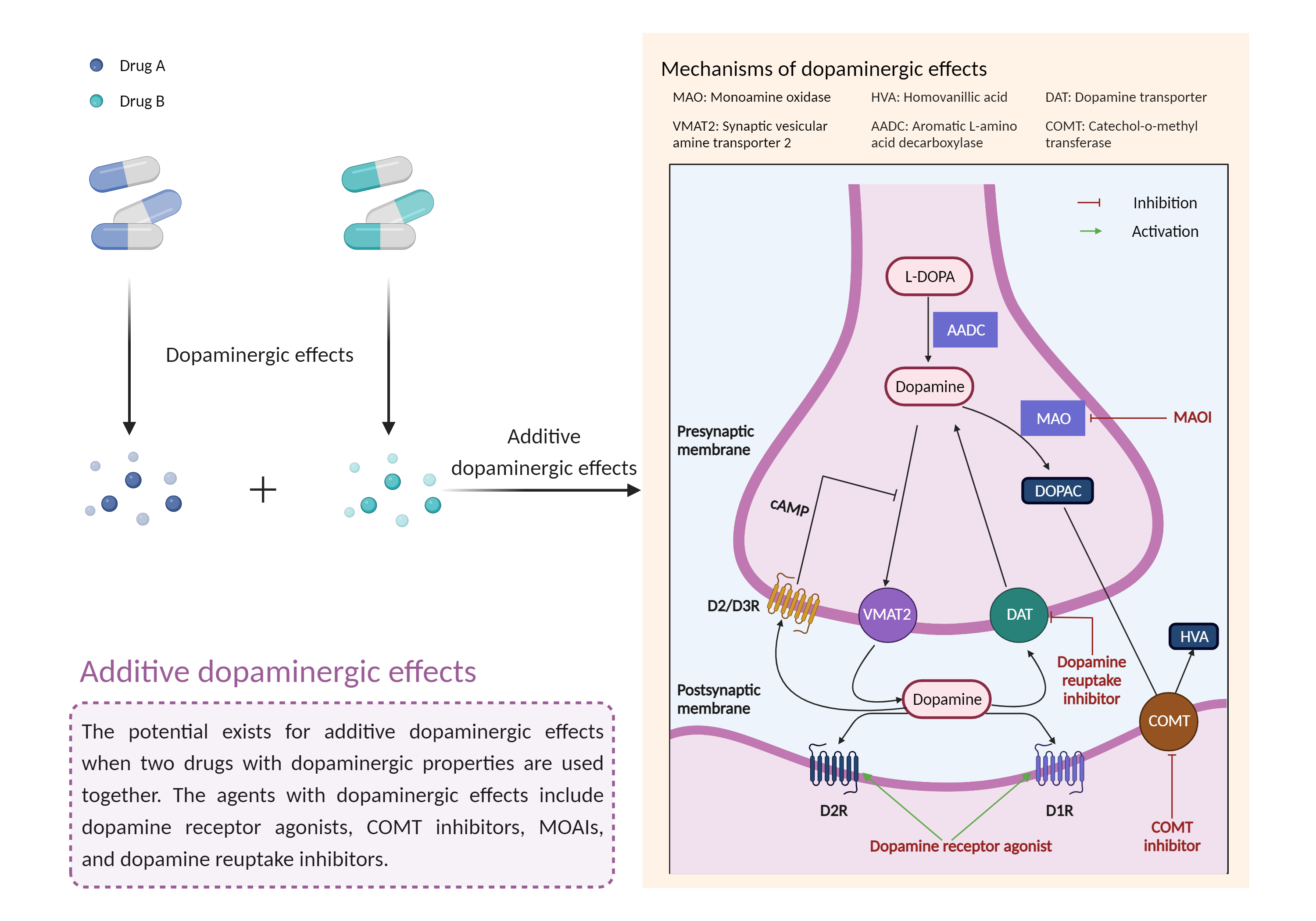
| Additive dopaminergic effects Click to Show/Hide Mechanism Graph | |||||||||
 |
|||||||||
| Drug Name | Disulfiram | Isoniazid | |||||||
| Mechanism |
Dopaminergic effects Dopamine beta-hydroxylase Inhibitor |
Dopaminergic effects Monoamine oxidase non-selective Inhibitor |
|||||||
| Key Mechanism Factor 1 | |||||||||
| Factor Name | Dopamine beta hydroxylase |
×
Structure
Sequence
MPALSRWASLPGPSMREAAFMYSTAVAIFLVILVAALQGSAPRESPLPYHIPLDPEGSLELSWNVSYTQEAIHFQLLVRRLKAGVLFGMSDRGELENADLVVLWTDGDTAYFADAWSDQKGQIHLDPQQDYQLLQVQRTPEGLTLLFKRPFGTCDPKDYLIEDGTVHLVYGILEEPFRSLEAINGSGLQMGLQRVQLLKPNIPEPELPSDACTMEVQAPNIQIPSQETTYWCYIKELPKGFSRHHIIKYEPIVTKGNEALVHHMEVFQCAPEMDSVPHFSGPCDSKMKPDRLNYCRHVLAAWALGAKAFYYPEEAGLAFGGPGSSRYLRLEVHYHNPLVIEGRNDSSGIRLYYTAKLRRFNAGIMELGLVYTPVMAIPPRETAFILTGYCTDKCTQLALPPSGIHIFASQLHTHLTGRKVVTVLVRDGREWEIVNQDNHYSPHFQEIRMLKKVVSVHPGDVLITSCTYNTEDRELATVGGFGILEEMCVNYVHYYPQTQLELCKSAVDAGFLQKYFHLINRFNNEDVCTCPQASVSQQFTSVPWNSFNRDVLKALYSFAPISMHCNKSSAVRFQGEWNLQPLPKVISTLEEPTPQCPTSQGRSPAGPTVVSIGGGKG
|
|||||||
| Gene Name | DBH | ||||||||
| Uniprot ID | DOPO_HUMAN | ||||||||
| KEGG Pathway | hsa:1621 | ||||||||
| Protein Family | Copper type II ascorbate-dependent monooxygenase family | ||||||||
| Protein Function |
Conversion of dopamine to noradrenaline.
Click to Show/Hide
|
||||||||
| Key Mechanism Factor 2 | |||||||||
| Factor Name | Monoamine oxidase | Structure Sequence | |||||||
| Protein Family | Flavin monoamine oxidase family | ||||||||
| Protein Function |
Catalyzes the oxidative deamination of primary and some secondary amine such as neurotransmitters, with concomitant reduction of oxygen to hydrogen peroxide and has important functions in the metabolism of neuroactive and vasoactive amines in the central nervous system and peripheral tissues (PubMed:20493079, PubMed:8316221, PubMed:18391214, PubMed:24169519). Preferentially oxidizes serotonin (PubMed:20493079, PubMed:24169519). Also catalyzes the oxidative deamination of kynuramine to 3-(2-aminophenyl)-3-oxopropanal that can spontaneously condense to 4-hydroxyquinoline (By similarity).
Click to Show/Hide
|
||||||||
| Mechanism Description |
|
||||||||
| Recommended Action | |||||||||
|---|---|---|---|---|---|---|---|---|---|
| Management | If these agents must be coadministered, the clinician should consider monitoring the patient closely for altered mental status (drowsiness, ataxia, mood changes or behavioral changes). Disulfiram should be discontinued or the dosage reduced if an interaction is suspected. | ||||||||
| References | |||||||||||||||||||
|---|---|---|---|---|---|---|---|---|---|---|---|---|---|---|---|---|---|---|---|
| 1 | Whittington HG, Grey L "Possible interaction between disulfiram and isoniazid." Am J Psychiatry 125 (1969): 1725-9. [PMID: 5770196] | ||||||||||||||||||