| Management |
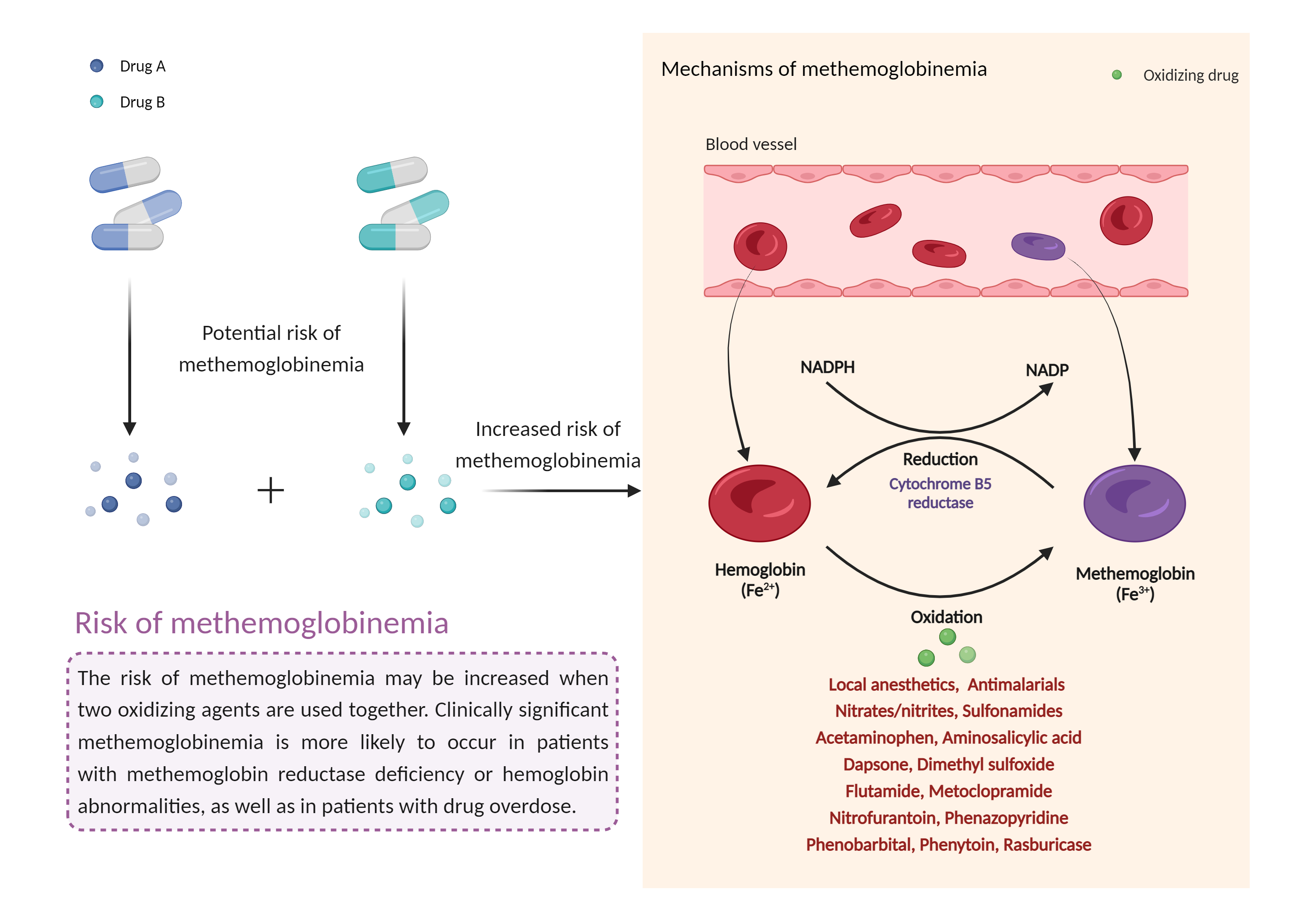
Concomitant use of topical lidocaine-prilocaine formulations with other methemoglobin-inducing agents should be avoided in infants younger than 12 months of age. Caution is advised when used in other patients. Signs and symptoms of methemoglobinemia may be delayed some hours after drug exposure. Patients or their caregivers should be advised to seek medical attention if they notice signs and symptoms of methemoglobinemia such as slate-grey cyanosis in buccal mucous membranes, lips, and nail beds nausea headache dizziness lightheadedness lethargy fatigue dyspnea tachypnea tachycardia palpitation anxiety and confusion. In severe cases, patients may progress to central nervous system depression, stupor, seizures, acidosis, cardiac arrhythmias, syncope, shock, coma, and death. Methemoglobinemia should be considered if central cyanosis is unresponsive to oxygen. Calculated oxygen saturation and pulse oximetry are generally not accurate in the setting of methemoglobinemia. The diagnosis can be confirmed by an elevated methemoglobin level of at least 10% using co-oximetry. Methemoglobin concentrations greater than 10% of total hemoglobin will typically cause cyanosis, and levels over 70% are frequently fatal. However, symptom severity is not always related to methemoglobin levels. Mild cases often respond to withdrawal of offending agents and symptomatic support. If patient does not respond to administration of oxygen, clinically significant or symptomatic methemoglobinemia can be treated with methylene blue 1 to 2 mg/kg by slow intravenous injection over 5 to 10 minutes, which may be repeated within 30 to 60 minutes if necessary. Higher dosages of methylene blue (usually greater than 7 mg/kg) should be avoided, as it can paradoxically exacerbate methemoglobinemia. |