| Mechanism of Disopyramide-Levobetaxolol (ophthalmic) Interaction
(Severity Level: Moderate)
|
|
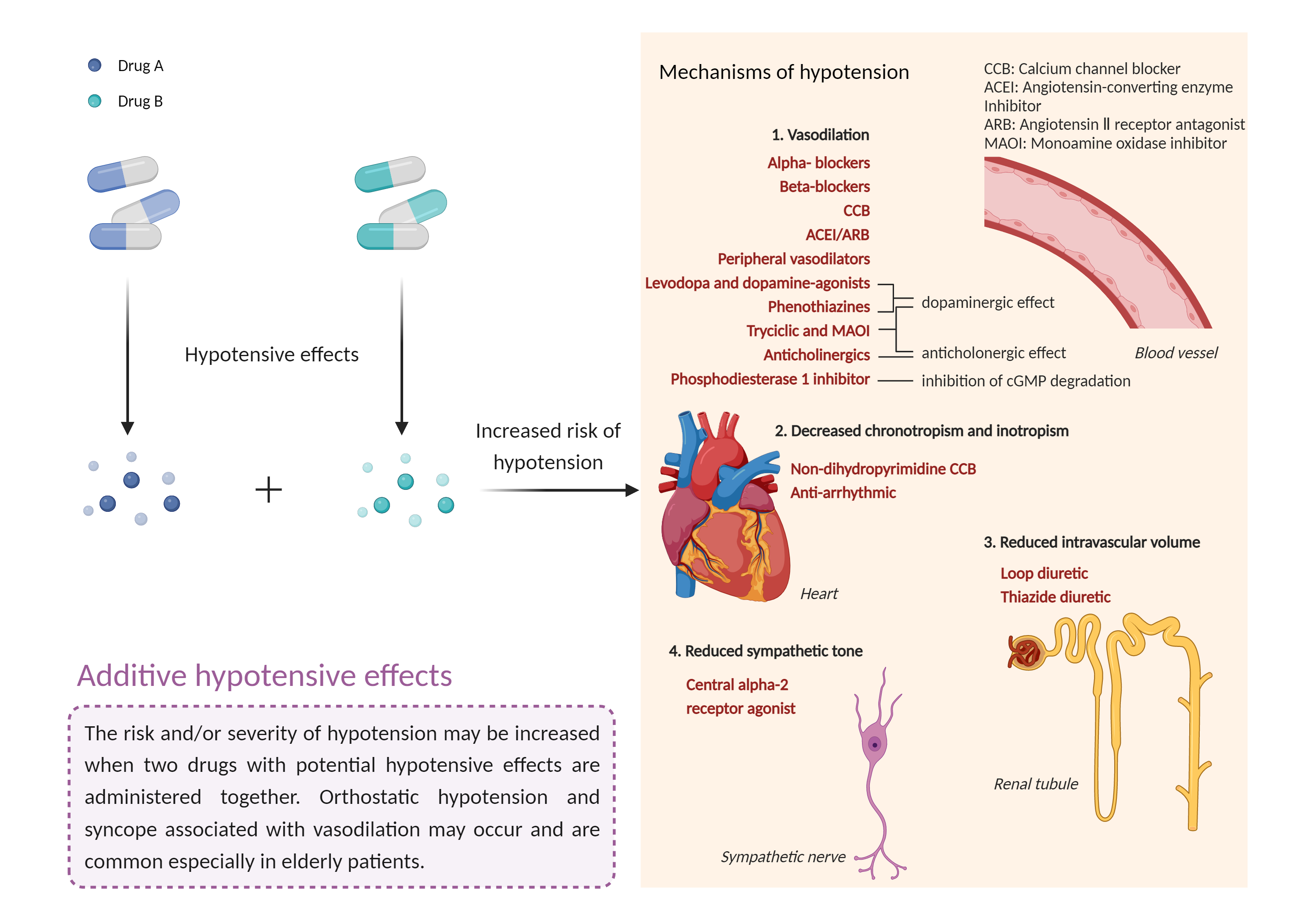
Additive hypotensive effects
Click to Show/Hide Mechanism Graph
|
 |
| Drug Name |
Disopyramide |
Levobetaxolol (ophthalmic) |
| Mechanism 1 |
Antihypertensive agent |
Antihypertensive agent |
| Key Mechanism Factor 1 |
| Factor Name |
Hypotensive effects |
| Factor Description |
Hypotension is a blood pressure reading below the prescribed limit (90/60 mmHg). Symptoms of hypotension may include: blurred or faded vision , dizziness or light-headedness, fainting , fatigue , difficulty concentrating, nausea. |
| Mechanism Description |
- Additive hypotensive effects by the combination of Disopyramide and Levobetaxolol (ophthalmic)
|
| Mechanism 2 |
Hypotensive effects |
Antihypertensive agent |
| Key Mechanism Factor 2 |
| Factor Name |
Hypotensive effects |
| Factor Description |
Hypotension is a blood pressure reading below the prescribed limit (90/60 mmHg). Symptoms of hypotension may include: blurred or faded vision , dizziness or light-headedness, fainting , fatigue , difficulty concentrating, nausea. |
| Mechanism Description |
- Additive hypotensive effects by the combination of Disopyramide and Levobetaxolol (ophthalmic)
|
| Mechanism 3 |
Antihypertensive agent |
Hypotensive effects |
| Key Mechanism Factor 3 |
| Factor Name |
Hypotensive effects |
| Factor Description |
Hypotension is a blood pressure reading below the prescribed limit (90/60 mmHg). Symptoms of hypotension may include: blurred or faded vision , dizziness or light-headedness, fainting , fatigue , difficulty concentrating, nausea. |
| Mechanism Description |
- Additive hypotensive effects by the combination of Disopyramide and Levobetaxolol (ophthalmic)
|
| Mechanism 4 |
Hypotensive effects |
Hypotensive effects |
| Key Mechanism Factor 4 |
| Factor Name |
Hypotensive effects |
| Factor Description |
Hypotension is a blood pressure reading below the prescribed limit (90/60 mmHg). Symptoms of hypotension may include: blurred or faded vision , dizziness or light-headedness, fainting , fatigue , difficulty concentrating, nausea. |
| Mechanism Description |
- Additive hypotensive effects by the combination of Disopyramide and Levobetaxolol (ophthalmic)
|
|
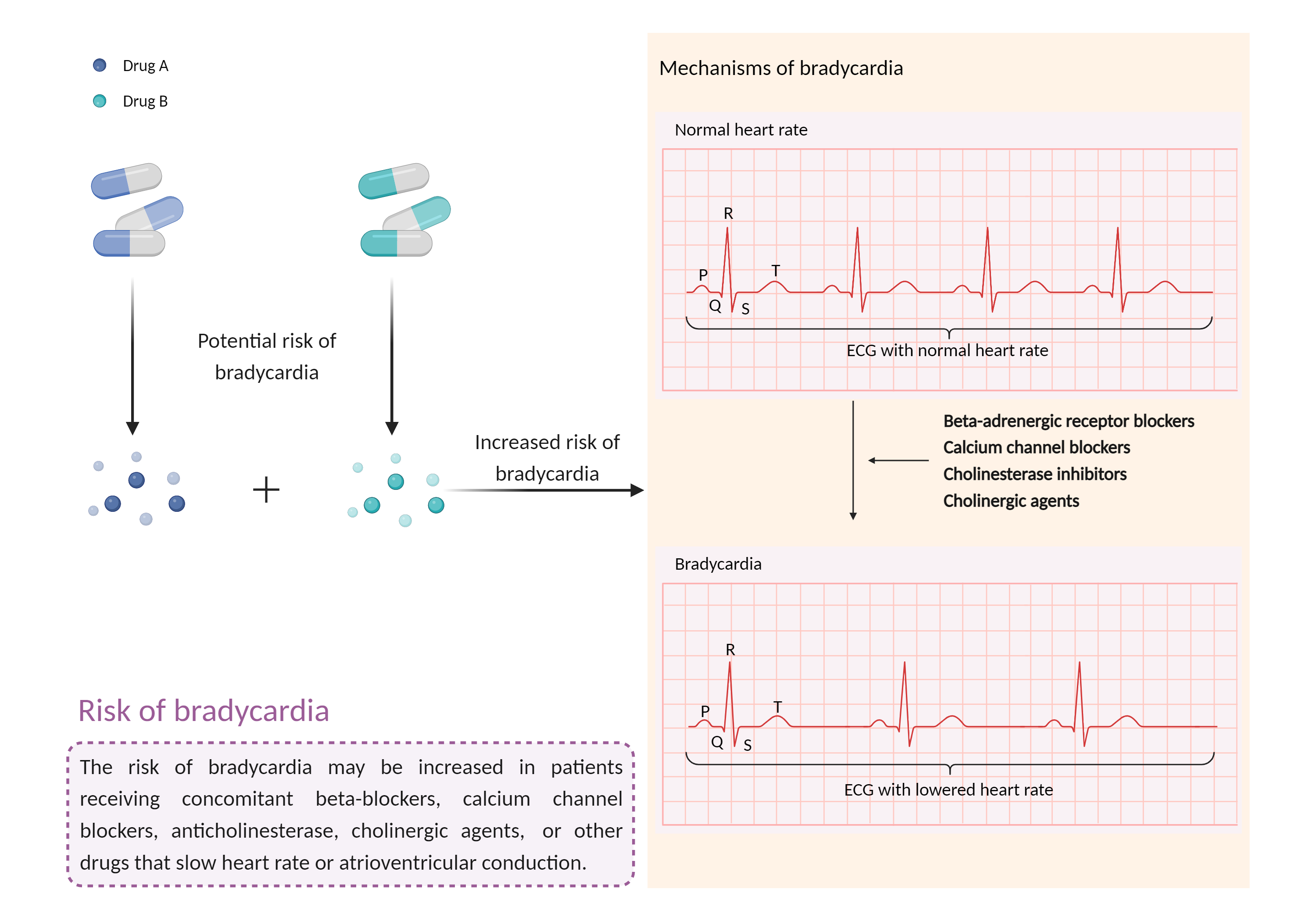
Increased risk of bradycardia
Click to Show/Hide Mechanism Graph
|
 |
| Drug Name |
Disopyramide |
Levobetaxolol (ophthalmic) |
|
Mechanism 5
|
Bradycardia |
Bradycardia |
| Key Mechanism Factor 5 |
| Factor Name |
Bradycardia |
| Factor Description |
Bradycardia is a slow heart rate in which the heart beats less than 60 times per minute. If the heart rate is very slow and the heart is not pumping enough oxygen-rich blood to the body, and you may feel dizzy, very tired or weak, and short of breath. |
| Mechanism Description |
- Increased risk of bradycardia by the combination of Disopyramide and Levobetaxolol (ophthalmic)
|
|
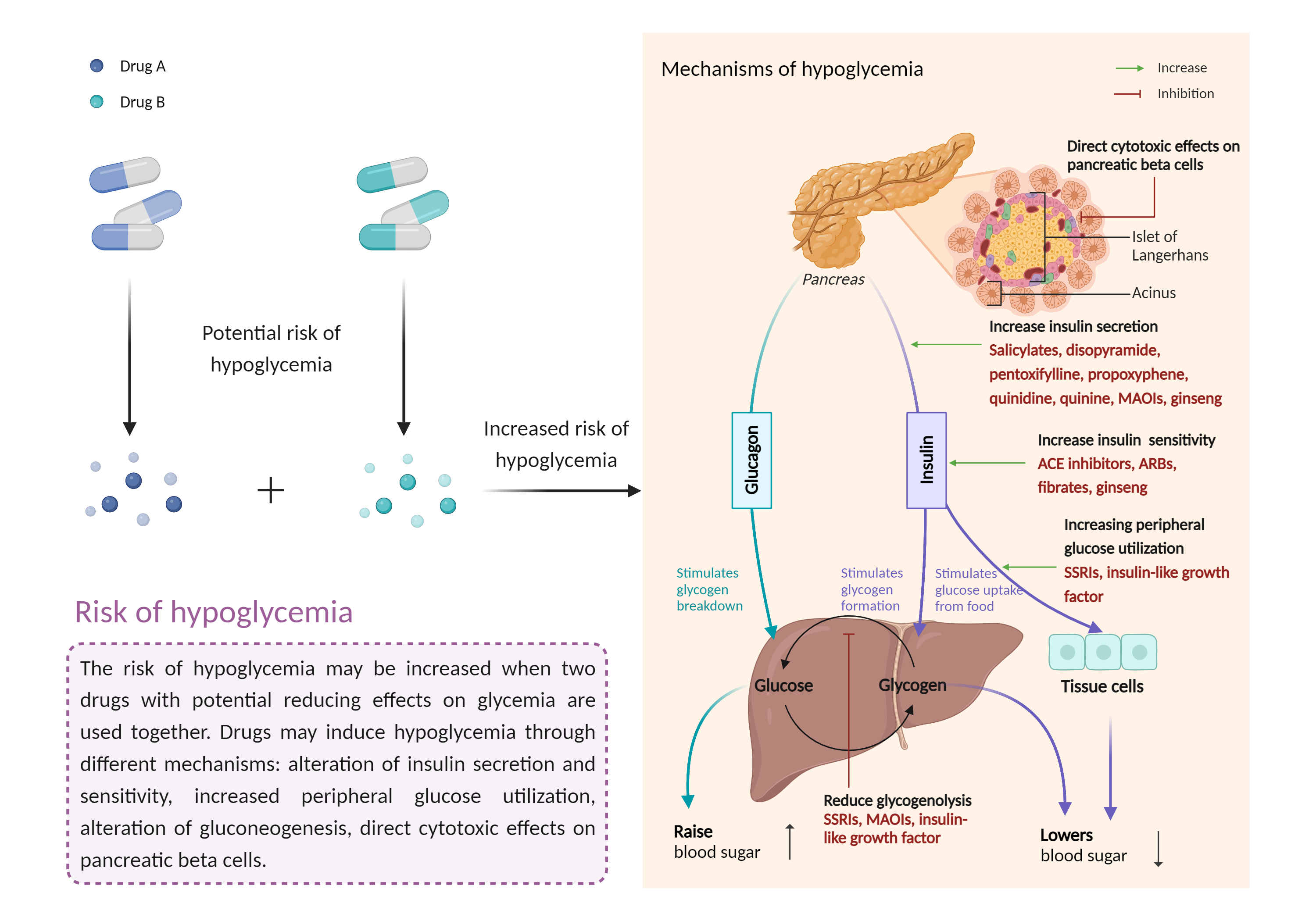
Increased risk of hypoglycemia
Click to Show/Hide Mechanism Graph
|
 |
| Drug Name |
Disopyramide |
Levobetaxolol (ophthalmic) |
|
Mechanism 6
|
Hypoglycemia |
Hypoglycemia |
| Key Mechanism Factor 6 |
| Factor Name |
Hypoglycemia |
| Factor Description |
Hypoglycemia is a condition in which your blood sugar (glucose) level is below the standard range. It causes irregular or rapid heartbeat, pale skin, numbness of the lips, tongue or cheeks, and sweating. |
| Mechanism Description |
- Increased risk of hypoglycemia by the combination of Disopyramide and Levobetaxolol (ophthalmic)
|
|
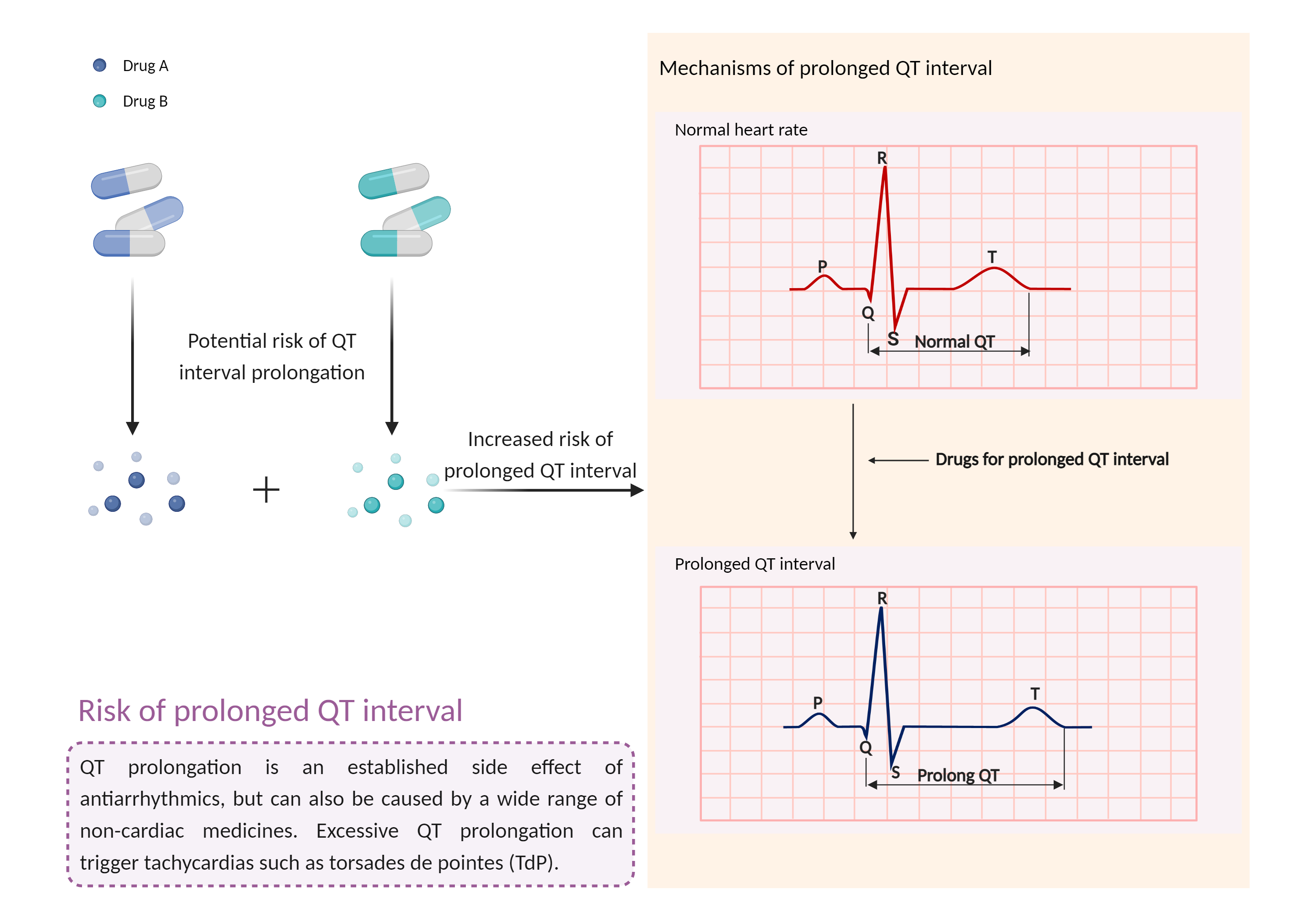
Increased risk of prolong QT interval
Click to Show/Hide Mechanism Graph
|
 |
| Drug Name |
Disopyramide |
Levobetaxolol (ophthalmic) |
|
Mechanism 7
|
Prolong QT interval |
Prolong QT interval |
| Key Mechanism Factor 7 |
| Factor Name |
QT interval |
| Factor Description |
Long QT syndrome is a heart signaling disorder that can cause a fast, chaotic heartbeat (arrhythmia). Many people may not exhibit symptoms, and usually the condition is detected during routine medical tests. In others, the most common symptoms include: sudden fainting, palpitations, dizziness, seizures, sudden death. |
| Mechanism Description |
- Increased risk of prolong QT interval by the combination of Disopyramide and Levobetaxolol (ophthalmic)
|
