
Details of Drug-Drug Interaction
| Drug General Information (ID: DDIRKTE6UF) | |||||||||
|---|---|---|---|---|---|---|---|---|---|
| Drug Name | Methylnaltrexone | Drug Info | Pitolisant | Drug Info | |||||
| Drug Type | Small molecule | Small molecule | |||||||
| Therapeutic Class | Peripheral Opioid Receptor Antagonists | Cns Stimulants | |||||||
| Structure | |||||||||
| Mechanism of Methylnaltrexone-Pitolisant Interaction (Severity Level: Moderate) | |||||||||
|---|---|---|---|---|---|---|---|---|---|
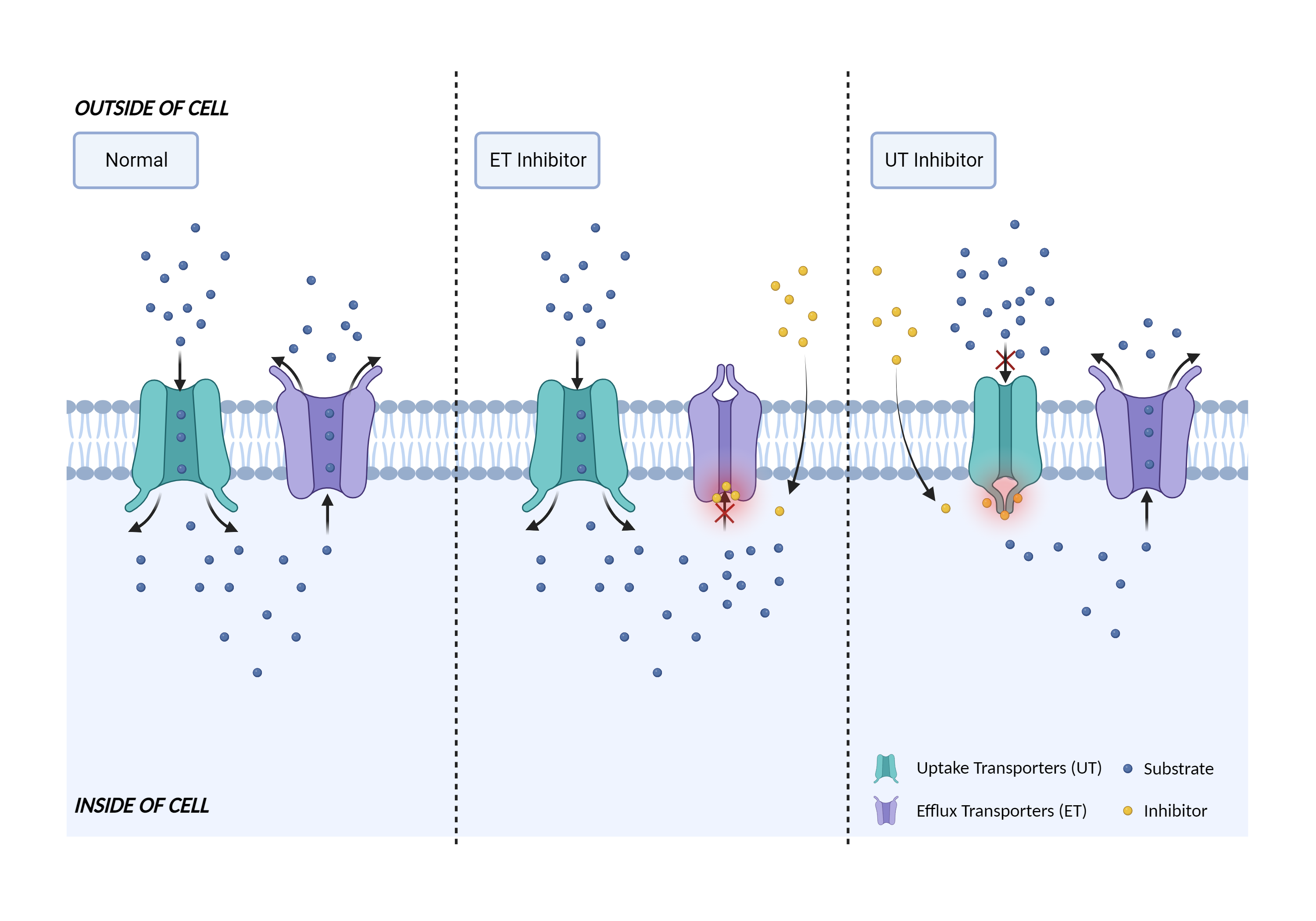
| Transporter inhibition Click to Show/Hide Mechanism Graph | |||||||||
 |
|||||||||
| Drug Name | Methylnaltrexone | Pitolisant | |||||||
| Mechanism | OCT1 substrate | OCT1 inhibitor | |||||||
| Key Mechanism Factor 1 | |||||||||
| Factor Name | Solute carrier family 22 member 1 |
×
Structure
Sequence
MPTVDDILEQVGESGWFQKQAFLILCLLSAAFAPICVGIVFLGFTPDHHCQSPGVAELSQRCGWSPAEELNYTVPGLGPAGEAFLGQCRRYEVDWNQSALSCVDPLASLATNRSHLPLGPCQDGWVYDTPGSSIVTEFNLVCADSWKLDLFQSCLNAGFLFGSLGVGYFADRFGRKLCLLGTVLVNAVSGVLMAFSPNYMSMLLFRLLQGLVSKGNWMAGYTLITEFVGSGSRRTVAIMYQMAFTVGLVALTGLAYALPHWRWLQLAVSLPTFLFLLYYWCVPESPRWLLSQKRNTEAIKIMDHIAQKNGKLPPADLKMLSLEEDVTEKLSPSFADLFRTPRLRKRTFILMYLWFTDSVLYQGLILHMGATSGNLYLDFLYSALVEIPGAFIALITIDRVGRIYPMAMSNLLAGAACLVMIFISPDLHWLNIIIMCVGRMGITIAIQMICLVNAELYPTFVRNLGVMVCSSLCDIGGIITPFIVFRLREVWQALPLILFAVLGLLAAGVTLLLPETKGVALPETMKDAENLGRKAKPKENTIYLKVQTSEPSGT
|
|||||||
| Gene Name | 44835 | ||||||||
| Uniprot ID | S22A1_HUMAN | ||||||||
| KEGG Pathway | hsa:6580 | ||||||||
| Protein Family | Major facilitator (TC 2.A.1) superfamily | ||||||||
| Protein Function |
Translocates a broad array of organic cations with various structures and molecular weights including the model compounds 1-methyl-4-phenylpyridinium (MPP), tetraethylammonium (TEA), N-1-methylnicotinamide (NMN), 4-(4-(dimethylamino)styryl)-N-methylpyridinium (ASP), the endogenous compounds choline, guanidine, histamine, epinephrine, adrenaline, noradrenaline and dopamine, and the drugs quinine, and metformin. The transport of organic cations is inhibited by a broad array of compounds like tetramethylammonium (TMA), cocaine, lidocaine, NMDA receptor antagonists, atropine, prazosin, cimetidine, TEA and NMN, guanidine, cimetidine, choline, procainamide, quinine, tetrabutylammonium, and tetrapentylammonium. Translocates organic cations in an electrogenic and pH-independent manner. Translocates organic cations across the plasma membrane in both directions. Transports the polyamines spermine and spermidine. Transports pramipexole across the basolateral membrane of the proximal tubular epithelial cells. The choline transport is activated by MMTS. Regulated by various intracellular signaling pathways including inhibition by protein kinase A activation, and endogenously activation by the calmodulin complex, the calmodulin-dependent kinase II and LCK tyrosine kinase.
Click to Show/Hide
|
||||||||
| Mechanism Description |
|
||||||||
| Recommended Action | |||||||||
|---|---|---|---|---|---|---|---|---|---|
| Management | Caution is recommended when pitolisant is administered with OCT1 substrates. | ||||||||
| References | |||||||||||||||||||
|---|---|---|---|---|---|---|---|---|---|---|---|---|---|---|---|---|---|---|---|
| 1 | Cerner Multum, Inc. "UK Summary of Product Characteristics.". | ||||||||||||||||||