
Details of Drug-Drug Interaction
| Drug General Information (ID: DDIOM07DUN) | |||||||||
|---|---|---|---|---|---|---|---|---|---|
| Drug Name | Valproic acid | Drug Info | Anisindione | Drug Info | |||||
| Drug Type | Small molecule | Small molecule | |||||||
| Therapeutic Class | Anticonvulsants | Anticoagulants | |||||||
| Structure | |||||||||
| Mechanism of Valproic acid-Anisindione Interaction (Severity Level: Moderate) | |||||||||
|---|---|---|---|---|---|---|---|---|---|
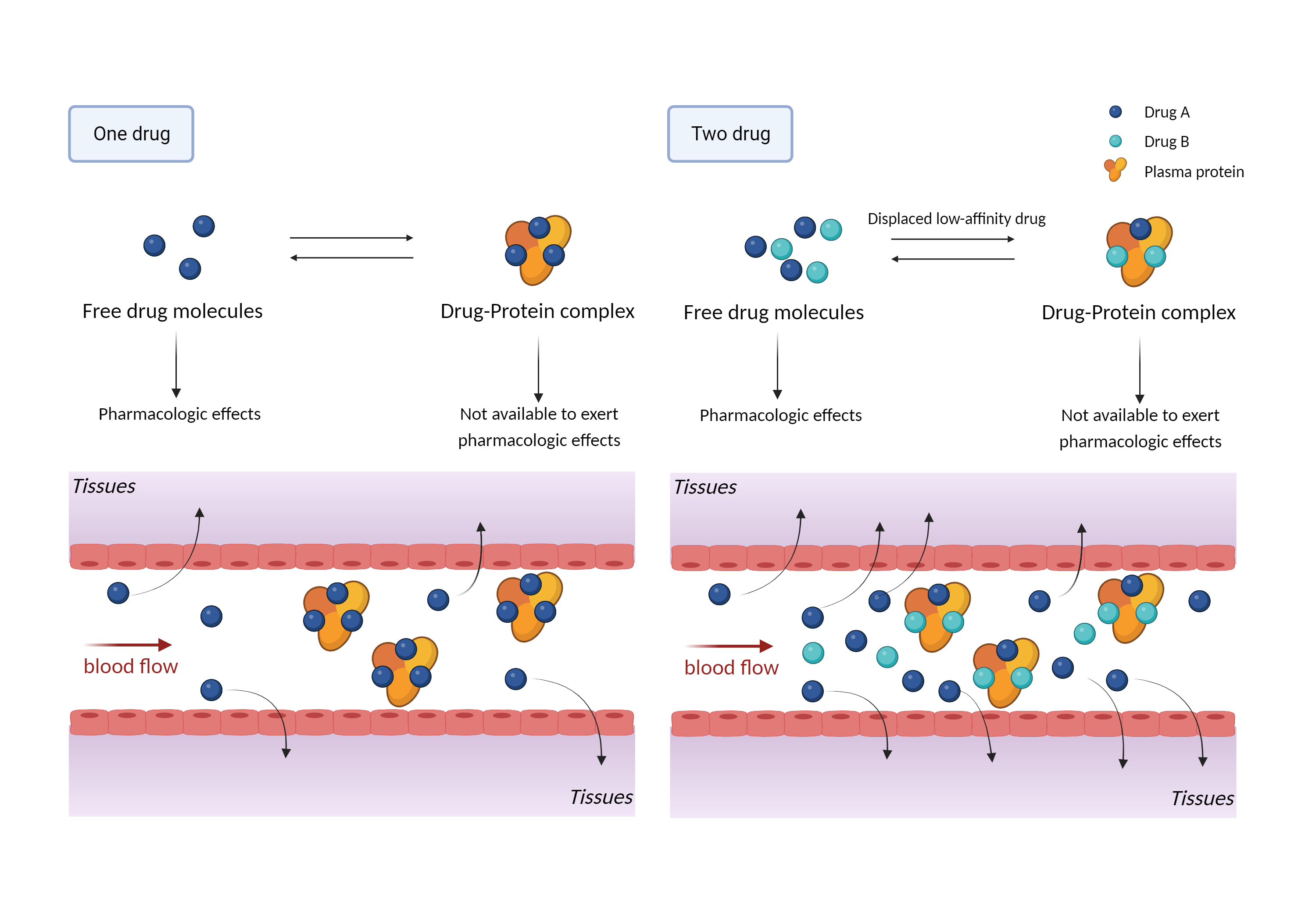
| Competitive binding of plasma proteins Click to Show/Hide Mechanism Graph | |||||||||
 |
|||||||||
| Drug Name | Valproic acid | Anisindione | |||||||
| Mechanism | Competition for plasma protein binding sites | Competition for plasma protein binding sites | |||||||
| Key Mechanism Factor 1 | |||||||||
| Factor Name | Plasma protein binding | ||||||||
| Factor Description | Plasma protein binding refers to the degree of binding of a drug to proteins in the blood, and the lower the degree of binding, the more efficiently the drug can cross cell membranes or diffuse. Plasma protein binding alters the distribution and therapeutic characteristics of the drugs. | ||||||||
| Mechanism Description |
|
||||||||
| Recommended Action | |||||||||
|---|---|---|---|---|---|---|---|---|---|
| Management | Based on the proposed transient nature of the pharmacokinetic interaction, appropriate monitoring for excessive hypoprothrombinemia is recommended during the first week following the addition of valproic acid to a stabilized regimen of warfarin or other oral anticoagulants. Patients should be advised to promptly report any signs of bleeding to their physician, including pain, swelling, headache, dizziness, weakness, prolonged bleeding from cuts, increased menstrual flow, vaginal bleeding, nosebleeds, bleeding of gums from brushing, unusual bleeding or bruising, red or brown urine, or red or black stools. | ||||||||