
Details of Drug-Drug Interaction
| Drug General Information (ID: DDIO652ZBH) | |||||||||
|---|---|---|---|---|---|---|---|---|---|
| Drug Name | Probenecid | Drug Info | Ceftaroline fosamil | Drug Info | |||||
| Drug Type | Small molecule | Small molecule | |||||||
| Therapeutic Class | Uricosuric Agents | Cephalosporins/Beta-Lactamase Inhibitors | |||||||
| Structure | |||||||||
| Mechanism of Probenecid-Ceftaroline fosamil Interaction (Severity Level: Moderate) | |||||||||
|---|---|---|---|---|---|---|---|---|---|
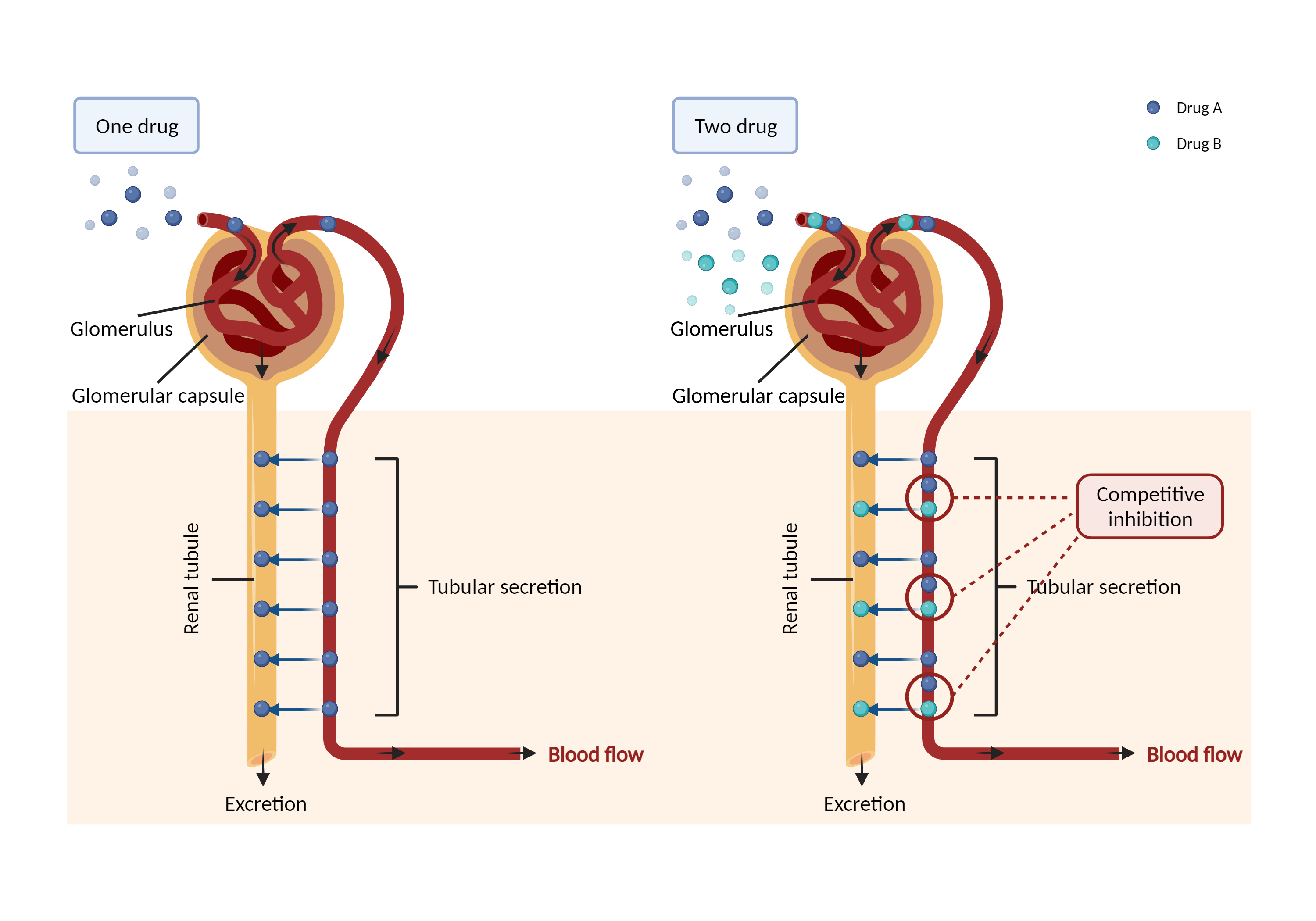
| Competitive inhibition of renal tubular secretion Click to Show/Hide Mechanism Graph | |||||||||
 |
|||||||||
| Drug Name | Probenecid | Ceftaroline fosamil | |||||||
| Mechanism | Competitive inhibition of renal tubular secretion of some cephalosporins | Cephalosporins | |||||||
| Key Mechanism Factor 1 | |||||||||
| Factor Name | Renal tubular secretion | ||||||||
| Factor Description | Renal tubular secretion allows selective transfer of substances from the blood around the capillaries into the renal tubules via filtrate. Drug excretion may be reduced when two drugs compete for renal tubular secretion. | ||||||||
| Mechanism Description |
|
||||||||
| Recommended Action | |||||||||
|---|---|---|---|---|---|---|---|---|---|
| Management | Although probenecid has been used therapeutically to enhance serum levels of various beta-lactam antibiotics, the potential for increased adverse effects should be considered when probenecid is added to existing cephalosporin therapy, particularly when the latter is given at high dosages or to patients who are elderly or have renal dysfunction. Adjustment of the cephalosporin dosage may be required in accordance with the individual product labeling. For example, cefotaxime dosage should generally not exceed 6 grams/day when administered with probenecid. Probenecid reportedly does not affect the elimination of ceftazidime or ceftriaxone. | ||||||||