
Details of Drug-Drug Interaction
| Drug General Information (ID: DDINV9HYZA) | |||||||||
|---|---|---|---|---|---|---|---|---|---|
| Drug Name | Tetracycline | Drug Info | Quinapril | Drug Info | |||||
| Drug Type | Small molecule | Small molecule | |||||||
| Therapeutic Class | Antibiotics | Antihypertensive Agents | |||||||
| Structure | |||||||||
| Mechanism of Tetracycline-Quinapril Interaction (Severity Level: Moderate) | |||||||||
|---|---|---|---|---|---|---|---|---|---|
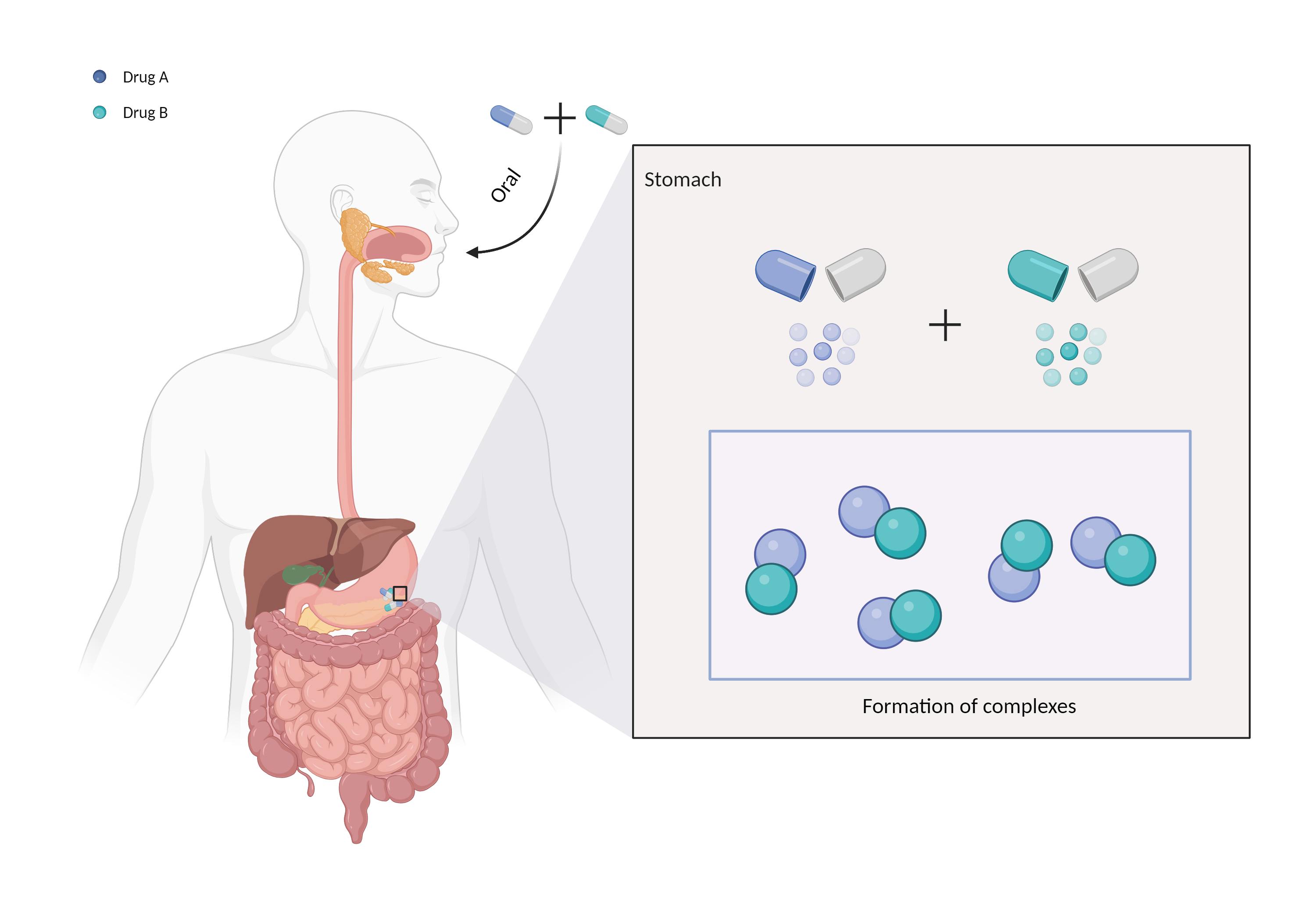
| Complex formation Click to Show/Hide Mechanism Graph | |||||||||
 |
|||||||||
| Drug Name | Tetracycline | Quinapril | |||||||
| Mechanism | Binds to polyvalent cations | Polyvalent cations (magnesium hydroxide excipient) | |||||||
| Key Mechanism Factor 1 | |||||||||
| Factor Name | Chelation | ||||||||
| Factor Description | Chelation is a direct drug interaction that usually involves the formation of dimers or trimers, resulting in larger complexes and poorer absorption. | ||||||||
| Mechanism Description |
|
||||||||
| Recommended Action | |||||||||
|---|---|---|---|---|---|---|---|---|---|
| Management | The manufacturer does not make a specific recommendation, but generally the administration of tetracyclines and magnesium-containing products should be separated by two to four hours. | ||||||||