
Details of Drug-Drug Interaction
| Drug General Information (ID: DDIMKGHWZ7) | |||||||||
|---|---|---|---|---|---|---|---|---|---|
| Drug Name | Miglitol | Drug Info | Gatifloxacin | Drug Info | |||||
| Drug Type | Small molecule | Small molecule | |||||||
| Therapeutic Class | Antidiabetic Agents | Antiinfective Agents | |||||||
| Structure | |||||||||
| Mechanism of Miglitol-Gatifloxacin Interaction (Severity Level: Major) | |||||||||
|---|---|---|---|---|---|---|---|---|---|
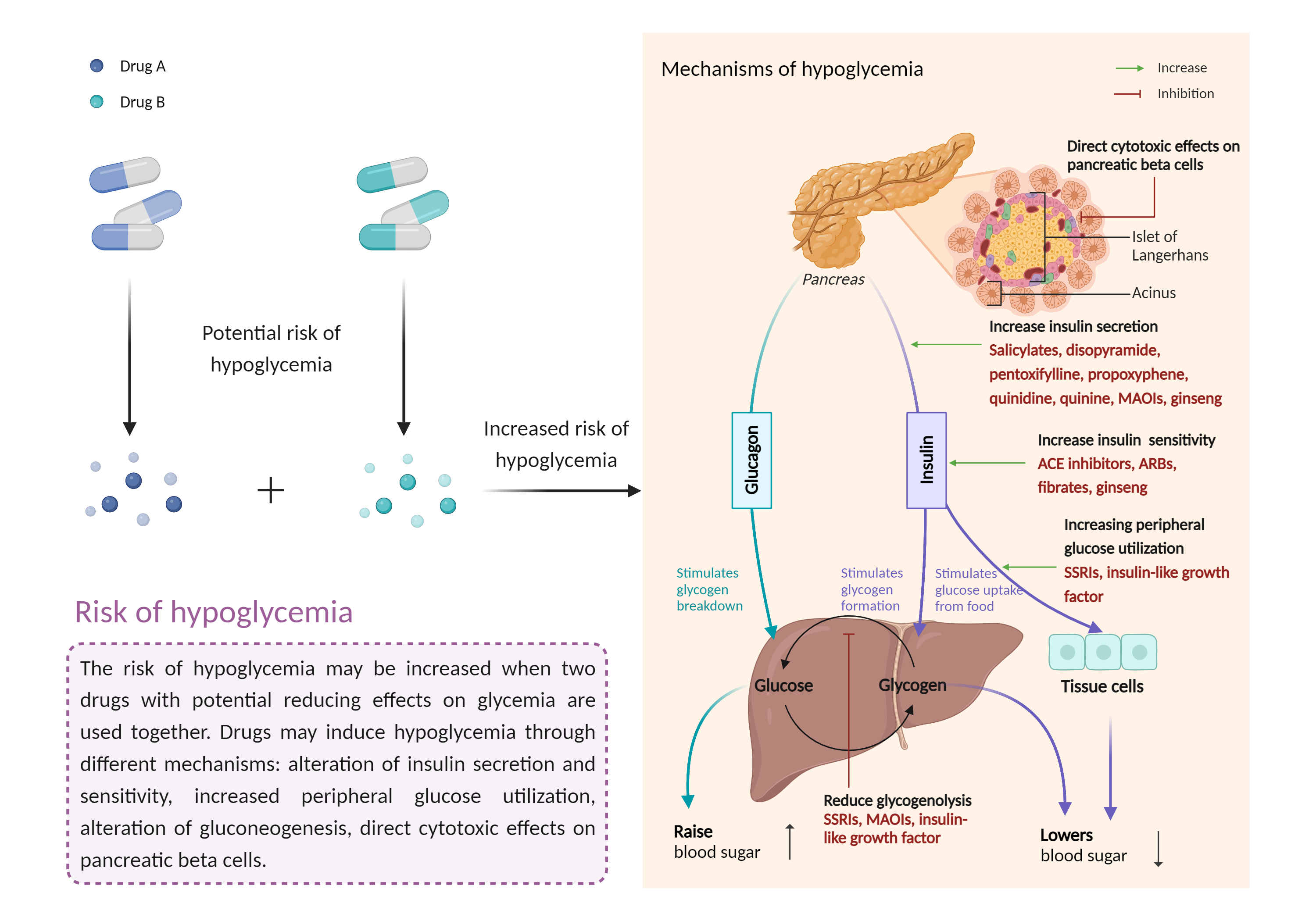
| Increased risk of hypoglycemia Click to Show/Hide Mechanism Graph | |||||||||
 |
|||||||||
| Drug Name | Miglitol | Gatifloxacin | |||||||
| Mechanism 1 | Antidiabetic agent | Hypoglycemic effects | |||||||
| Key Mechanism Factor 1 | |||||||||
| Factor Name | Hypoglycemia | ||||||||
| Factor Description | Hypoglycemia is a condition in which your blood sugar (glucose) level is below the standard range. It causes irregular or rapid heartbeat, pale skin, numbness of the lips, tongue or cheeks, and sweating. | ||||||||
| Mechanism Description |
|
||||||||
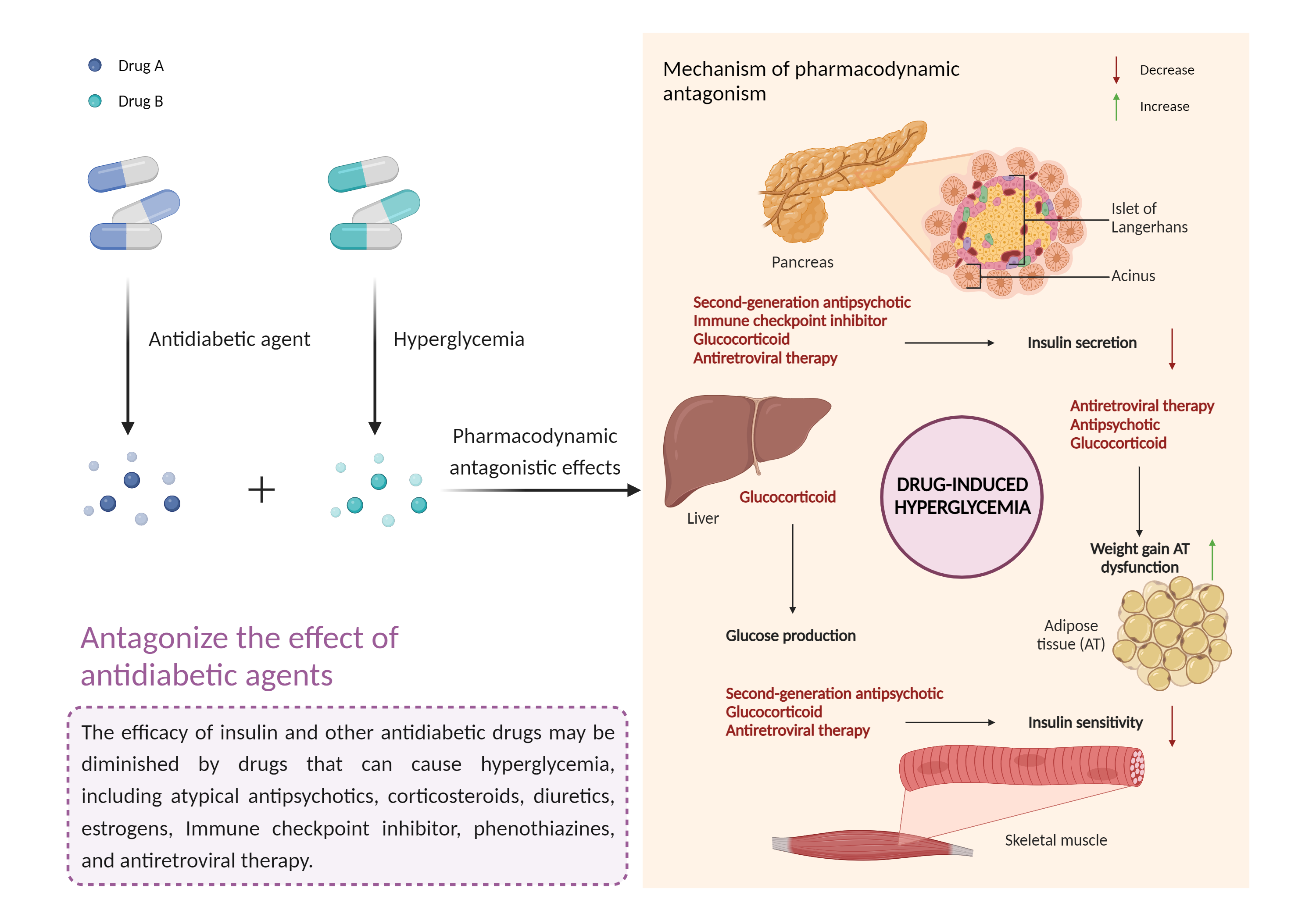
| Antagonize the effect of antidiabetic agents Click to Show/Hide Mechanism Graph | |||||||||
 |
|||||||||
| Drug Name | Miglitol | Gatifloxacin | |||||||
| Mechanism 2 | Antidiabetic agent | Hyperglycemia | |||||||
| Key Mechanism Factor 2 | |||||||||
| Factor Name | Antidiabetic agents | ||||||||
| Factor Description | The hypoglycemic effect of antidiabetes may be reduced, leading to higher blood glucose, increased blood glucose fluctuations, and the possibility of hyperglycemic complications | ||||||||
| Mechanism Description |
|
||||||||
| Mechanism 3 | Antidiabetic agent | Hyperglycemic effects | |||||||
| Key Mechanism Factor 3 | |||||||||
| Factor Name | Antidiabetic agents | ||||||||
| Factor Description | The hypoglycemic effect of antidiabetes may be reduced, leading to higher blood glucose, increased blood glucose fluctuations, and the possibility of hyperglycemic complications | ||||||||
| Mechanism Description |
|
||||||||
| Recommended Action | |||||||||
|---|---|---|---|---|---|---|---|---|---|
| Management | The use of gatifloxacin is contraindicated in patients with diabetes mellitus. Other quinolones may be safer alternatives in such patients, although all quinolones should be used with caution. Blood glucose should be closely monitored whenever quinolones are prescribed to patients receiving insulin or other antidiabetic agents, especially if they are elderly or have renal impairment. Patients should learn to recognize the symptoms of hypoglycemia such as headache, dizziness, drowsiness, nervousness, confusion, tremor, hunger, weakness, perspiration, palpitation, and tachycardia. If hypo- or hyperglycemia occur during quinolone therapy, patients should initiate appropriate remedial therapy immediately, discontinue the antibiotic, and contact their physician. | ||||||||