| Management |
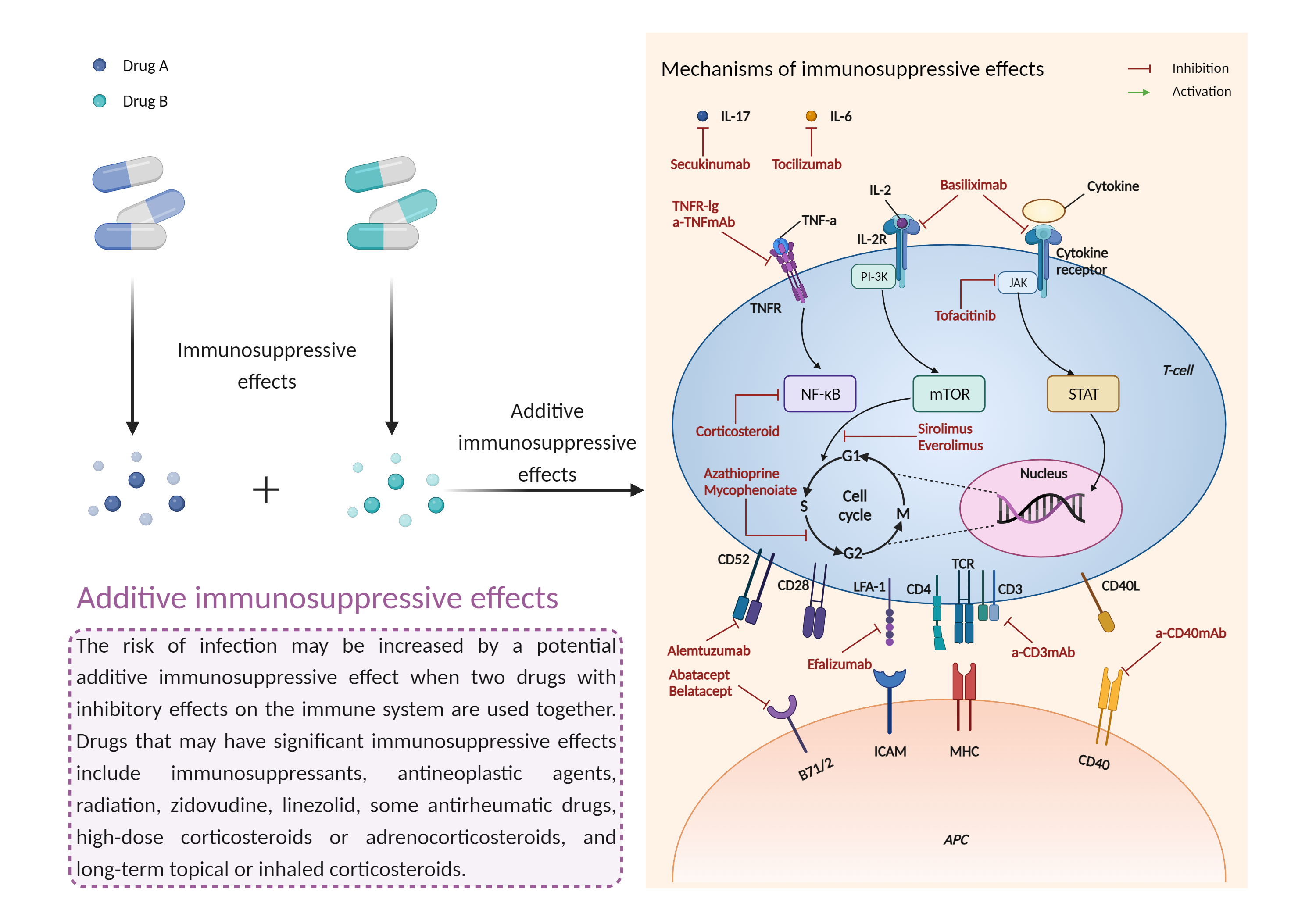
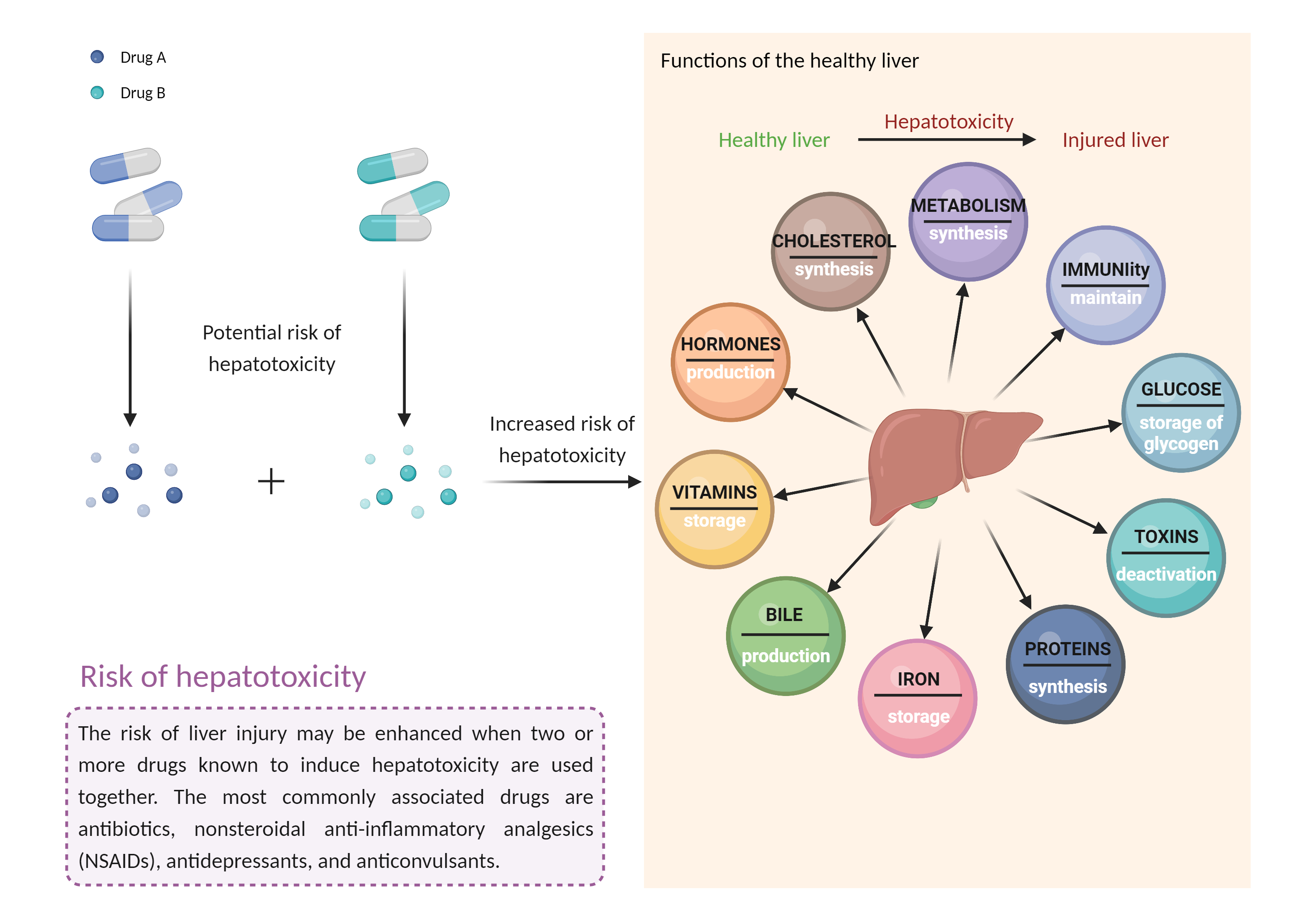
Close monitoring is recommended if leflunomide or teriflunomide is used in patients who are currently receiving or have recently received other immunosuppressive and hepatotoxic agents, and vice versa. Due to the prolonged elimination half-life of leflunomide's active metabolite, an interaction may occur even when these agents are initiated after the discontinuation of treatment with leflunomide or teriflunomide. Liver enzymes, bilirubin, platelet, white blood cell count, and hemoglobin or hematocrit should be evaluated at baseline and regularly during therapy. If evidence of serious hepatotoxicity (i.e., ALT elevation greater than 3-fold ULN or persistent elevations between 2- and 3-fold ULN despite dose reduction), infection, or bone marrow suppression occurs, treatment should be stopped, and cholestyramine or charcoal administered to accelerate elimination of leflunomide's active metabolite from plasma, which otherwise may take up to two years. Similarly, recent complete blood count and transaminase and bilirubin levels (i.e., within last 6 months) should be available before initiating treatment with fingolimod. If a serious infection or significant liver injury develops, treatment should be suspended and the benefits and risks reassessed prior to restarting treatment. Because fingolimod remains in the blood for up to two months after the last dose, continued monitoring is recommended throughout this period. Patients should be advised to seek medical attention if they develop an infection or experience potential signs and symptoms of hepatotoxicity such as fever, rash, itching, anorexia, nausea, vomiting, fatigue, malaise, right upper quadrant pain, dark urine, light colored stools, and jaundice. |