
Details of Drug-Drug Interaction
| Drug General Information (ID: DDIKGL2I0T) | |||||||||
|---|---|---|---|---|---|---|---|---|---|
| Drug Name | Sorafenib | Drug Info | Paclitaxel (protein-bound) | Drug Info | |||||
| Drug Type | Small molecule | Small molecule | |||||||
| Therapeutic Class | Antineoplastics | Antineoplastics/Mitotic Inhibitors | |||||||
| Structure | |||||||||
| Mechanism of Sorafenib-Paclitaxel (protein-bound) Interaction (Severity Level: Moderate) | |||||||||
|---|---|---|---|---|---|---|---|---|---|
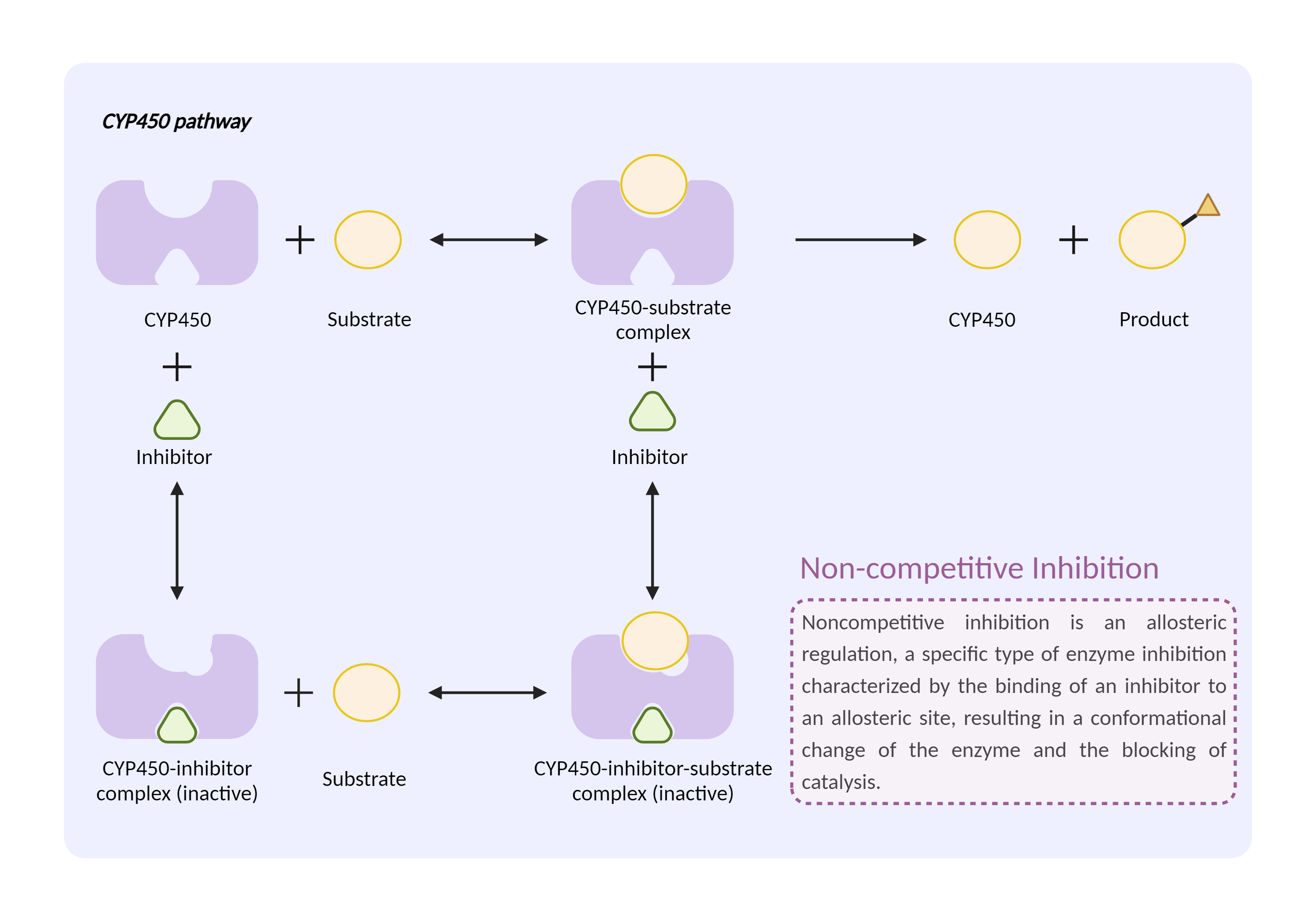
| CYP450 enzyme inhibition Click to Show/Hide Mechanism Graph | |||||||||
 |
|||||||||
| Drug Name | Sorafenib | Paclitaxel (protein-bound) | |||||||
| Mechanism | CYP450 2C8 inhibitor | CYP450 2C8 substrate | |||||||
| Key Mechanism Factor 1 | |||||||||
| Factor Name | Cytochrome P450 2C8 |
×
Structure
Sequence
MEPFVVLVLCLSFMLLFSLWRQSCRRRKLPPGPTPLPIIGNMLQIDVKDICKSFTNFSKVYGPVFTVYFGMNPIVVFHGYEAVKEALIDNGEEFSGRGNSPISQRITKGLGIISSNGKRWKEIRRFSLTTLRNFGMGKRSIEDRVQEEAHCLVEELRKTKASPCDPTFILGCAPCNVICSVVFQKRFDYKDQNFLTLMKRFNENFRILNSPWIQVCNNFPLLIDCFPGTHNKVLKNVALTRSYIREKVKEHQASLDVNNPRDFIDCFLIKMEQEKDNQKSEFNIENLVGTVADLFVAGTETTSTTLRYGLLLLLKHPEVTAKVQEEIDHVIGRHRSPCMQDRSHMPYTDAVVHEIQRYSDLVPTGVPHAVTTDTKFRNYLIPKGTTIMALLTSVLHDDKEFPNPNIFDPGHFLDKNGNFKKSDYFMPFSAGKRICAGEGLARMELFLFLTTILQNFNLKSVDDLKNLNTTAVTKGIVSLPPSYQICFIPV
|
|||||||
| Gene Name | CYP2C8 | ||||||||
| Uniprot ID | CP2C8_HUMAN | ||||||||
| KEGG Pathway | hsa:1558 | ||||||||
| Protein Family | Cytochrome P450 family | ||||||||
| Protein Function |
A cytochrome P450 monooxygenase involved in the metabolism of various endogenous substrates, including fatty acids, steroid hormones and vitamins (PubMed:7574697, PubMed:11093772, PubMed:14559847, PubMed:15766564, PubMed:19965576). Mechanistically, uses molecular oxygen inserting one oxygen atom into a substrate, and reducing the second into a water molecule, with two electrons provided by NADPH via cytochrome P450 reductase (NADPH--hemoprotein reductase) (PubMed:7574697, PubMed:11093772, PubMed:14559847, PubMed:15766564, PubMed:19965576). Primarily catalyzes the epoxidation of double bonds of polyunsaturated fatty acids (PUFA) with a preference for the last double bond (PubMed:7574697, PubMed:15766564, PubMed:19965576). Catalyzes the hydroxylation of carbon-hydrogen bonds. Metabolizes all trans-retinoic acid toward its 4-hydroxylated form (PubMed:11093772). Displays 16-alpha hydroxylase activity toward estrogen steroid hormones, 17beta-estradiol (E2) and estrone (E1) (PubMed:14559847). Plays a role in the oxidative metabolism of xenobiotics. It is the principal enzyme responsible for the metabolism of the anti-cancer drug paclitaxel (taxol) (PubMed:26427316).
Click to Show/Hide
|
||||||||
| Mechanism Description |
|
||||||||
| Recommended Action | |||||||||
|---|---|---|---|---|---|---|---|---|---|
| Management | Caution is advised during the concomitant use of paclitaxel and sorafenib. Close monitoring for toxicities of paclitaxel (e.g., bone marrow suppression, especially neutropenia conduction abnormalities peripheral neuropathy) and sorafenib (e.g., rash/desquamation hand-foot skin reaction hypertension hemorrhage cardiac ischemia myocardial infarction QT prolongation diarrhea anorexia gastrointestinal perforation wound healing complications) is recommended, and the dosage of each drug adjusted as necessary. No dosage adjustment should be needed when paclitaxel is coadministered with sorafenib following a 3-day break in sorafenib dosing. | ||||||||