Drug General Information (ID: DDIGZCLPMS)
  Drug Name Trifluoperazine Drug Info Magnesium hydroxide Drug Info
  Drug Type Small molecule Small molecule
  Therapeutic Class Antipsychotic Agents Antacids/Laxatives
  Structure

 Mechanism of Trifluoperazine-Magnesium hydroxide Interaction (Severity Level: Moderate)
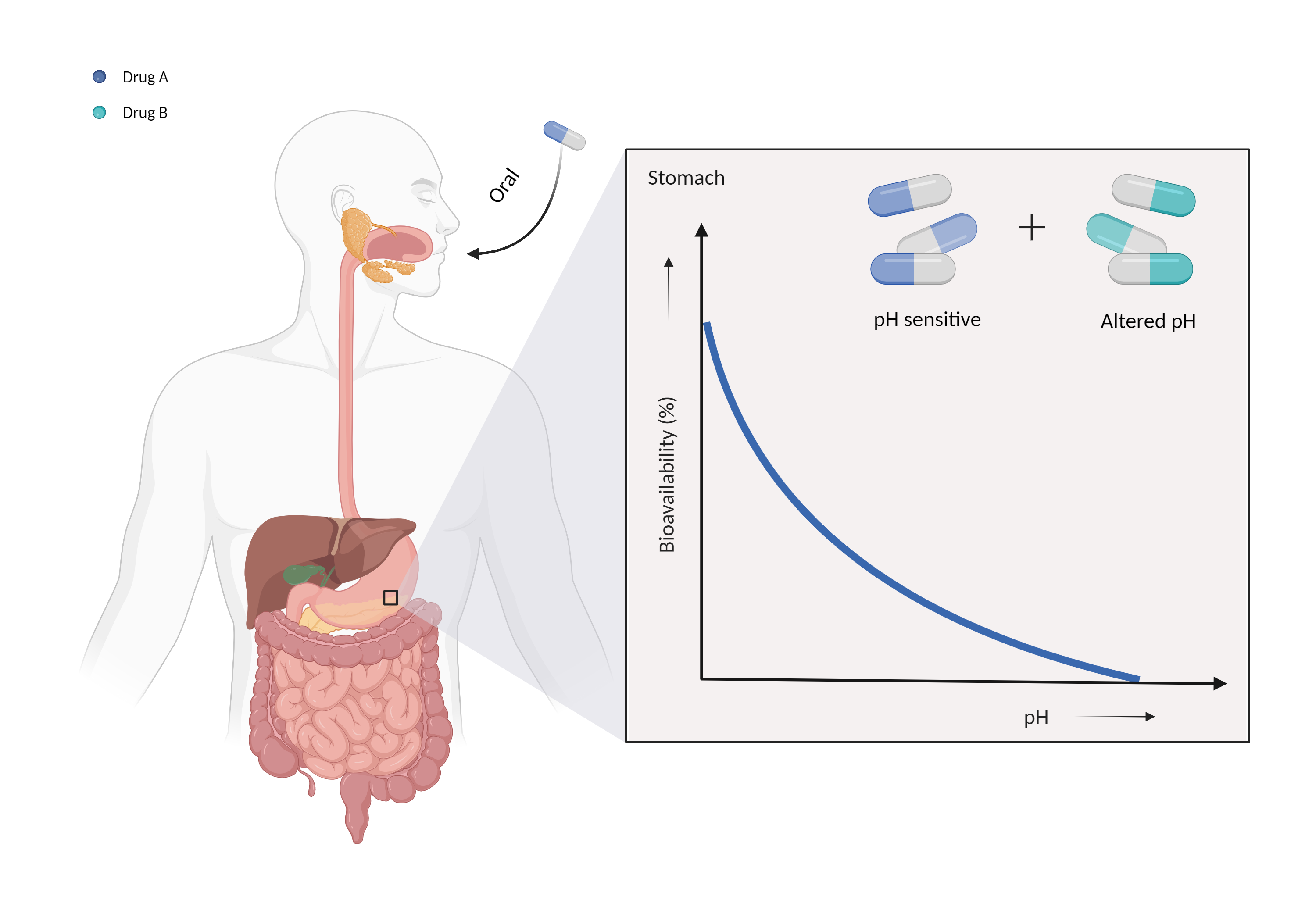
     Altered gastric pH Click to Show/Hide Mechanism Graph
Could Not Find 2D Structure
      Drug Name Trifluoperazine Magnesium hydroxide
      Mechanism 1 Gastric alkalinizer Gastric pH sensitive
      Key Mechanism Factor 1
Factor Name Gastric pH
Factor Description The normal pH range of gastric acid is between 1.5 and 3.5 and is highly acidic, consisting mainly of hydrochloric acid. Changes in the pH of the stomach can alter the absorption of drugs.
      Mechanism Description
  • Decreased absorption of Magnesium hydroxide due to altered gastric pH caused by Trifluoperazine 
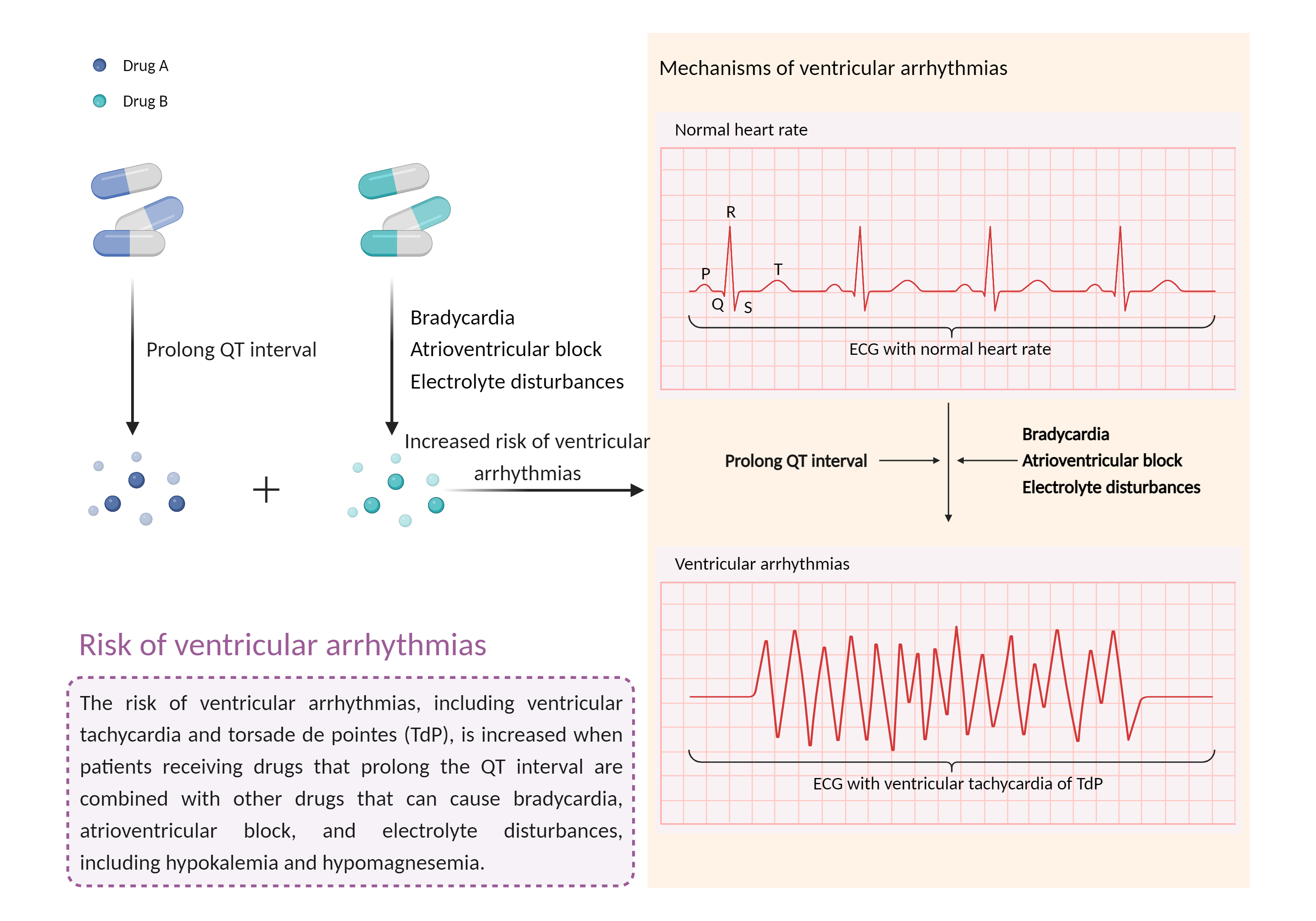
     Increased risk of ventricular arrhythmias Click to Show/Hide Mechanism Graph
Could Not Find 2D Structure
      Drug Name Trifluoperazine Magnesium hydroxide
      Mechanism 2 Prolong QT interval Electrolyte disturbances
      Key Mechanism Factor 2
Factor Name Ventricular arrhythmias
Factor Description Ventricular arrhythmias are abnormal heart rhythms that cause your heart's lower chambers to pump blood instead of pumping it. This can limit or stop your heart from supplying blood to your body. While some of these arrhythmias are harmless and do not cause symptoms, others can have serious, even fatal, effects on your body.
      Mechanism Description
  • Increased risk of ventricular arrhythmias by the combination of Trifluoperazine and Magnesium hydroxide 

Recommended Action
      Management Patients treated with drugs that prolong the QT interval should exercise caution when self-medicating with laxatives including magnesium hydroxide. The recommended dosage and duration of use should not be exceeded. Patients should be advised to seek prompt medical attention if they experience symptoms that could indicate the occurrence of torsade de pointes such as dizziness, lightheadedness, fainting, palpitation, irregular heart rhythm, shortness of breath, or syncope.

References
1 Chin RL "Laxative-induced hypokalemia." Ann Emerg Med 32 (1998): 517-8. [PMID: 9774942]
2 Covington TR, Lawson LC, Young LL, eds. "Handbook of Nonprescription Drugs. 10th ed." Washington, DC: American Pharmaceutical Association (1993):.
3 Fann WE "Interactions of psychotropic drugs in the elderly." Postgrad Med 53 (1973): 182-6. [PMID: 4144160]
4 Fann WE, Davis JM, Janowsky DS, Sekerke HJ, Schmidt DM "Chlorpromazine: effects of antacids on its gastrointestinal absorption." J Clin Pharmacol 13 (1973): 388-90. [PMID: 4355737]
5 Forrest FM, Forrest IS, Serra MT "Modification of chlorpromazine metabolism by some other drugs frequently administered to psychiatric patients." Biol Psychiatry 2 (1970): 53-8. [PMID: 5414905]
6 Muller-Lissner SA "Adverse effects of laxatives: fact and fiction." Pharmacology 47 (1993): 138-45. [PMID: 8234421]
7 Romankiewicz JA "Effects of antacids on gastrointestinal absorption of drugs." Prim Care 3 (1976): 537-50. [PMID: 61596]
8 Schaefer DC, Cheskin LJ "Constipation in the elderly." Am Fam Physician 58 (1998): 907-14. [PMID: 9767726]