
Details of Drug-Drug Interaction
| Drug General Information (ID: DDI8DL2MYN) | |||||||||
|---|---|---|---|---|---|---|---|---|---|
| Drug Name | Physostigmine | Drug Info | Bethanechol | Drug Info | |||||
| Drug Type | Small molecule | Small molecule | |||||||
| Therapeutic Class | Ophthalmic Glaucoma Agents/Antidotes | Parasympathomimetics | |||||||
| Structure | |||||||||
| Mechanism of Physostigmine-Bethanechol Interaction (Severity Level: Moderate) | |||||||||
|---|---|---|---|---|---|---|---|---|---|
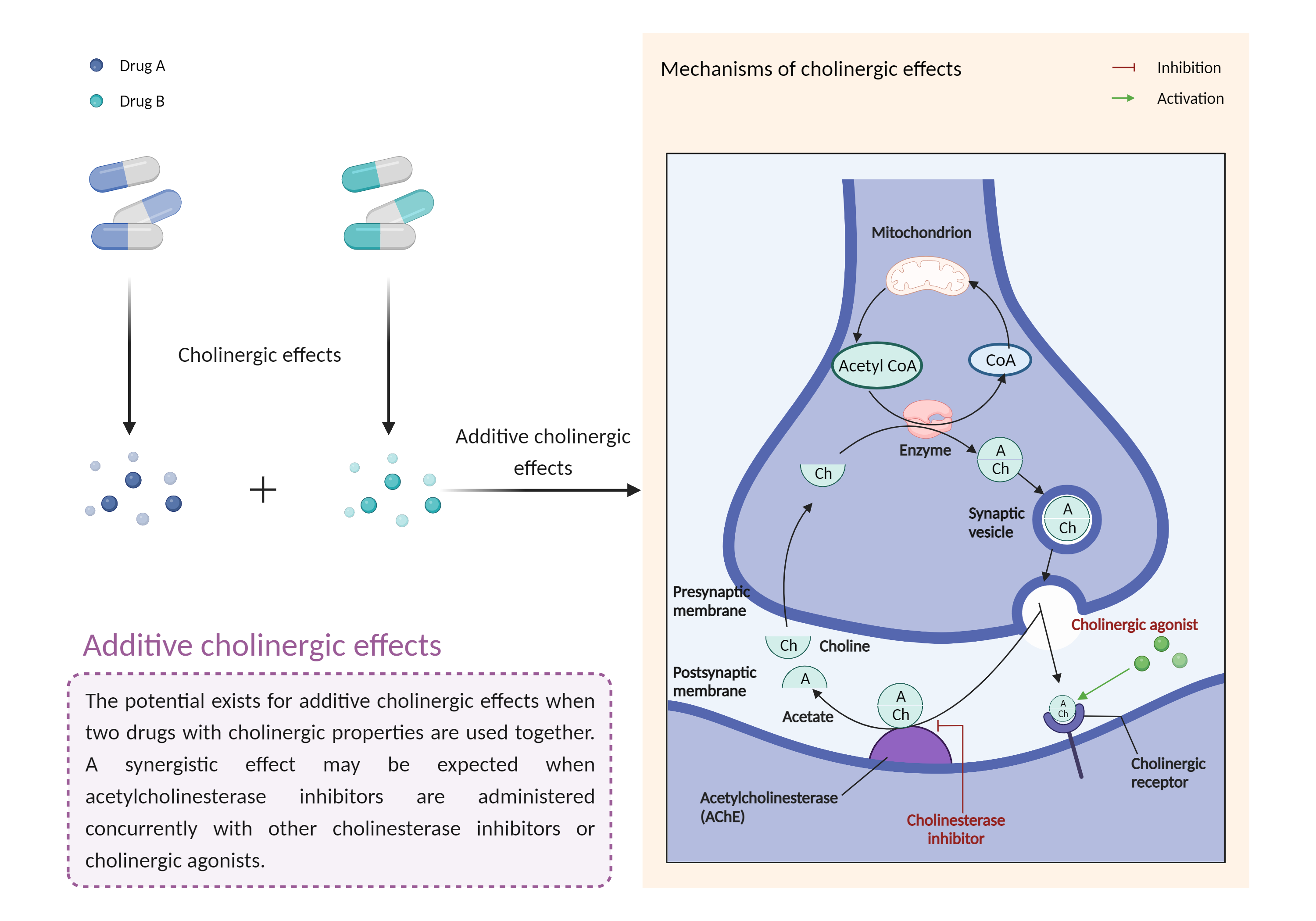
| Additive cholinergic effects Click to Show/Hide Mechanism Graph | |||||||||
 |
|||||||||
| Drug Name | Physostigmine | Bethanechol | |||||||
| Mechanism |
Cholinergic effects Acetylcholinesterase Inhibitor |
Cholinergic effects Muscarinic acetylcholine receptor Agonist |
|||||||
| Key Mechanism Factor 1 | |||||||||
| Factor Name | Acetylcholinesterase |
×
Structure
Sequence
MRPPQCLLHTPSLASPLLLLLLWLLGGGVGAEGREDAELLVTVRGGRLRGIRLKTPGGPVSAFLGIPFAEPPMGPRRFLPPEPKQPWSGVVDATTFQSVCYQYVDTLYPGFEGTEMWNPNRELSEDCLYLNVWTPYPRPTSPTPVLVWIYGGGFYSGASSLDVYDGRFLVQAERTVLVSMNYRVGAFGFLALPGSREAPGNVGLLDQRLALQWVQENVAAFGGDPTSVTLFGESAGAASVGMHLLSPPSRGLFHRAVLQSGAPNGPWATVGMGEARRRATQLAHLVGCPPGGTGGNDTELVACLRTRPAQVLVNHEWHVLPQESVFRFSFVPVVDGDFLSDTPEALINAGDFHGLQVLVGVVKDEGSYFLVYGAPGFSKDNESLISRAEFLAGVRVGVPQVSDLAAEAVVLHYTDWLHPEDPARLREALSDVVGDHNVVCPVAQLAGRLAAQGARVYAYVFEHRASTLSWPLWMGVPHGYEIEFIFGIPLDPSRNYTAEEKIFAQRLMRYWANFARTGDPNEPRDPKAPQWPPYTAGAQQYVSLDLRPLEVRRGLRAQACAFWNRFLPKLLSATDTLDEAERQWKAEFHRWSSYMVHWKNQFDHYSKQDRCSDL
|
|||||||
| Gene Name | ACHE | ||||||||
| Uniprot ID | ACES_HUMAN | ||||||||
| KEGG Pathway | hsa:43 | ||||||||
| Protein Family | Type-B carboxylesterase/lipase family | ||||||||
| Protein Function |
Hydrolyzes rapidly the acetylcholine neurotransmitter released into the synaptic cleft allowing to terminate the signal transduction at the neuromuscular junction. Role in neuronal apoptosis.
Click to Show/Hide
|
||||||||
| Key Mechanism Factor 2 | |||||||||
| Factor Name | Muscarinic acetylcholine receptor M | Structure Sequence | |||||||
| Protein Family | G-protein coupled receptor 1 family | ||||||||
| Protein Function |
The muscarinic acetylcholine receptor mediates various cellular responses, including inhibition of adenylate cyclase, breakdown of phosphoinositides and modulation of potassium channels through the action of G proteins. Primary transducing effect is Pi turnover.
Click to Show/Hide
|
||||||||
| Mechanism Description |
|
||||||||
| Recommended Action | |||||||||
|---|---|---|---|---|---|---|---|---|---|
| Management | Monitoring for excessive cholinergic effects and seizure activity is recommended. Patients should be advised to notify their physician if they experience nausea, vomiting, diarrhea, abdominal pain, increased salivation, cold sweats, slow or irregular heartbeat, muscle weakness or cramps, dizziness, headache, seizures, or respiratory distress. | ||||||||