
Details of Drug-Drug Interaction
| Drug General Information (ID: DDI5UHND0R) | |||||||||
|---|---|---|---|---|---|---|---|---|---|
| Drug Name | Trimethadione | Drug Info | Sodium oxybate | Drug Info | |||||
| Drug Type | Small molecule | Small molecule | |||||||
| Therapeutic Class | Anticonvulsants | Anxiolytics/Sedatives/Hypnotics | |||||||
| Structure | |||||||||
| Mechanism of Trimethadione-Sodium oxybate Interaction (Severity Level: Major) | |||||||||
|---|---|---|---|---|---|---|---|---|---|
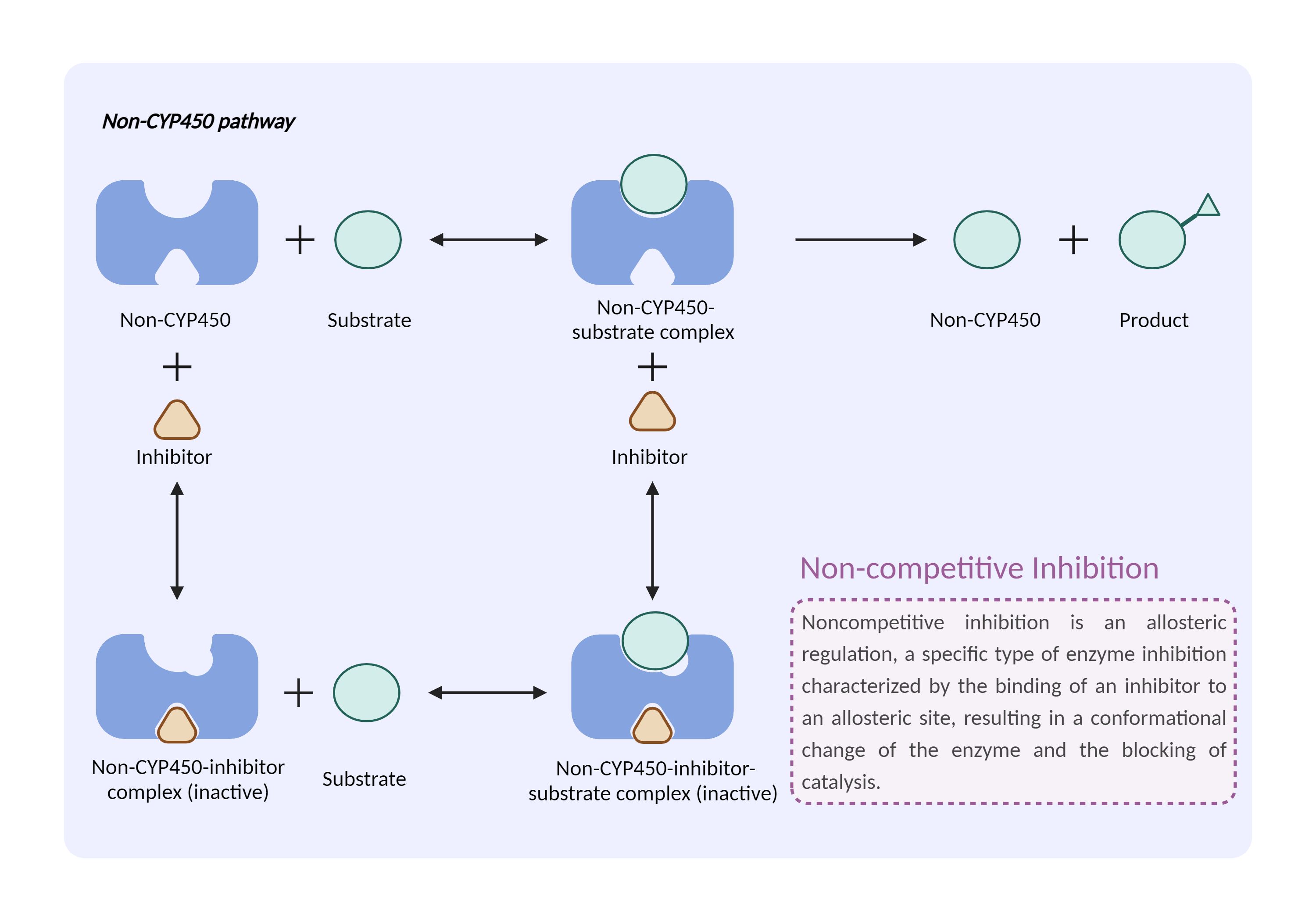
| Non-CYP450 enzyme inhibition Click to Show/Hide Mechanism Graph | |||||||||
 |
|||||||||
| Drug Name | Trimethadione | Sodium oxybate | |||||||
| Mechanism 1 | GHB dehydrogenase inhibitor | GHB dehydrogenase substrate | |||||||
| Key Mechanism Factor 1 | |||||||||
| Factor Name | Hydroxyacid-oxoacid transhydrogenase |
×
Structure
Sequence
MAAAARARVAYLLRQLQRAACQCPTHSHTYSQAPGLSPSGKTTDYAFEMAVSNIRYGAAVTKEVGMDLKNMGAKNVCLMTDKNLSKLPPVQVAMDSLVKNGIPFTVYDNVRVEPTDSSFMEAIEFAQKGAFDAYVAVGGGSTMDTCKAANLYASSPHSDFLDYVSAPIGKGKPVSVPLKPLIAVPTTSGTGSETTGVAIFDYEHLKVKIGITSRAIKPTLGLIDPLHTLHMPARVVANSGFDVLCHALESYTTLPYHLRSPCPSNPITRPAYQGSNPISDIWAIHALRIVAKYLKRAVRNPDDLEARSHMHLASAFAGIGFGNAGVHLCHGMSYPISGLVKMYKAKDYNVDHPLVPHGLSVVLTSPAVFTFTAQMFPERHLEMAEILGADTRTARIQDAGLVLADTLRKFLFDLDVDDGLAAVGYSKADIPALVKGTLPQERVTKLAPCPQSEEDLAALFEASMKLY
|
|||||||
| Gene Name | ADHFE1 | ||||||||
| Uniprot ID | HOT_HUMAN | ||||||||
| KEGG Pathway | hsa:137872 | ||||||||
| Protein Family | Iron-containing alcohol dehydrogenase family | ||||||||
| Protein Function |
Catalyzes the cofactor-independent reversible oxidation of gamma-hydroxybutyrate (GHB) to succinic semialdehyde (SSA) coupled to reduction of 2-ketoglutarate (2-KG) to D-2-hydroxyglutarate (D-2-HG). D,L-3-hydroxyisobutyrate and L-3-hydroxybutyrate (L-3-OHB) are also substrates for HOT with 10-fold lower activities.
Click to Show/Hide
|
||||||||
| Mechanism Description |
|
||||||||
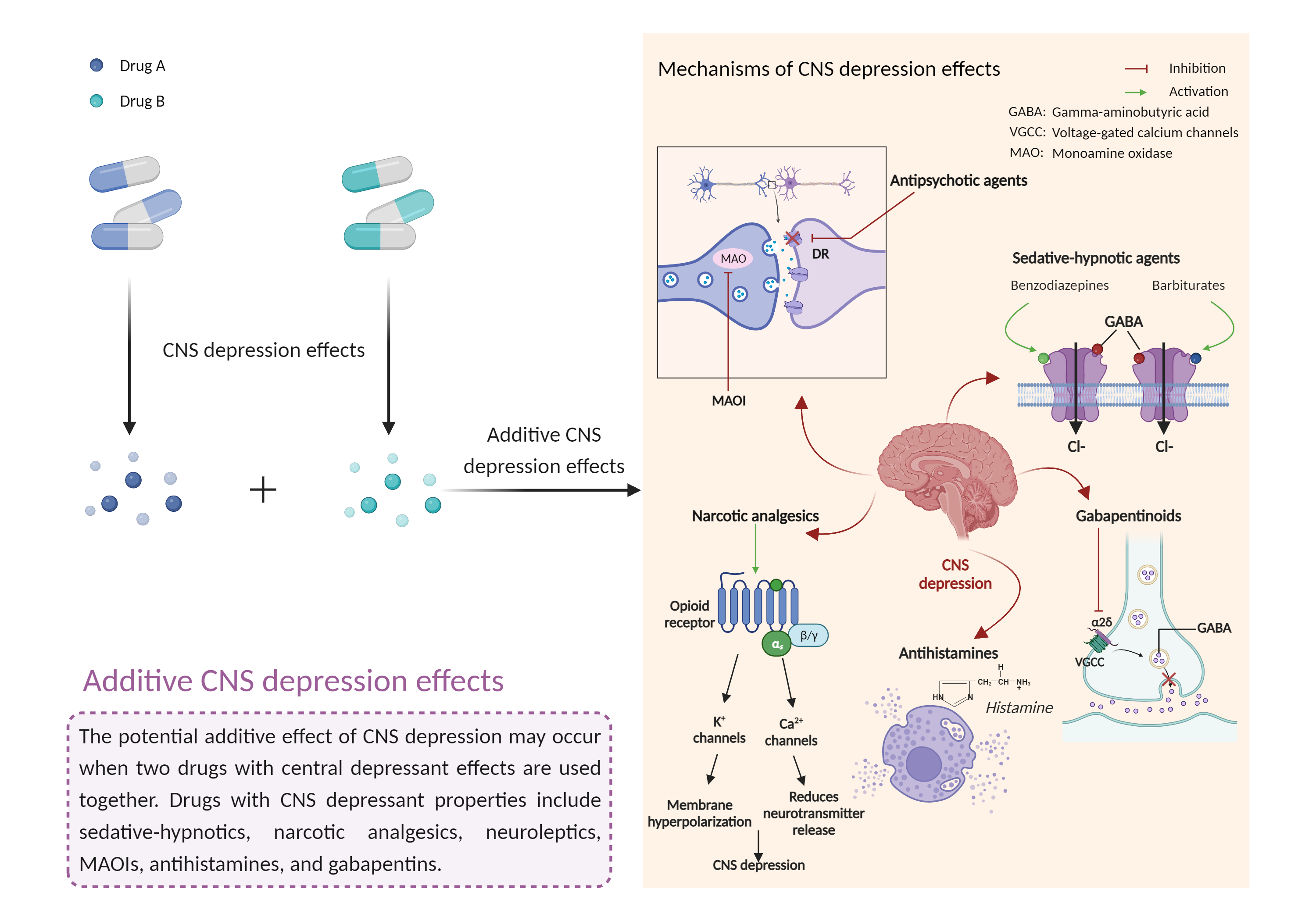
| Additive CNS depression effects Click to Show/Hide Mechanism Graph | |||||||||
 |
|||||||||
| Drug Name | Trimethadione | Sodium oxybate | |||||||
| Mechanism 2 | CNS depression effects | CNS depression effects | |||||||
| Key Mechanism Factor 2 | |||||||||
| Factor Name | CNS depression effects | ||||||||
| Factor Description | CNS depressants are drugs that inhibit or suppress brain activity and can reduce mental and physical processes. Excessive CNS depression can lead to decreased heart rate, slow breathing (less than 10 breaths per minute), extreme confusion or loss of memory, nausea and vomiting, poor judgment, blue lips or fingertips, irritability and aggression, and clammy or cold skin. | ||||||||
| Mechanism Description |
|
||||||||
| Recommended Action | |||||||||
|---|---|---|---|---|---|---|---|---|---|
| Management | Concomitant use of sodium oxybate with other CNS depressants should be avoided whenever possible. Otherwise, close monitoring and/or dosage reductions should be considered. For patients already stabilized on sodium oxybate who are prescribed divalproex sodium, the manufacturer recommends that the nightly dosage of sodium oxybate be reduced initially by at least 20%. Conversely, for patients already taking divalproex sodium, it is recommended that prescribers use a lower starting dosage of sodium oxybate upon initiation of treatment. Further dosage adjustments should be made according to patient response and tolerance. No specific dosage recommendations are available for use with other anticonvulsants. | ||||||||