| Management |
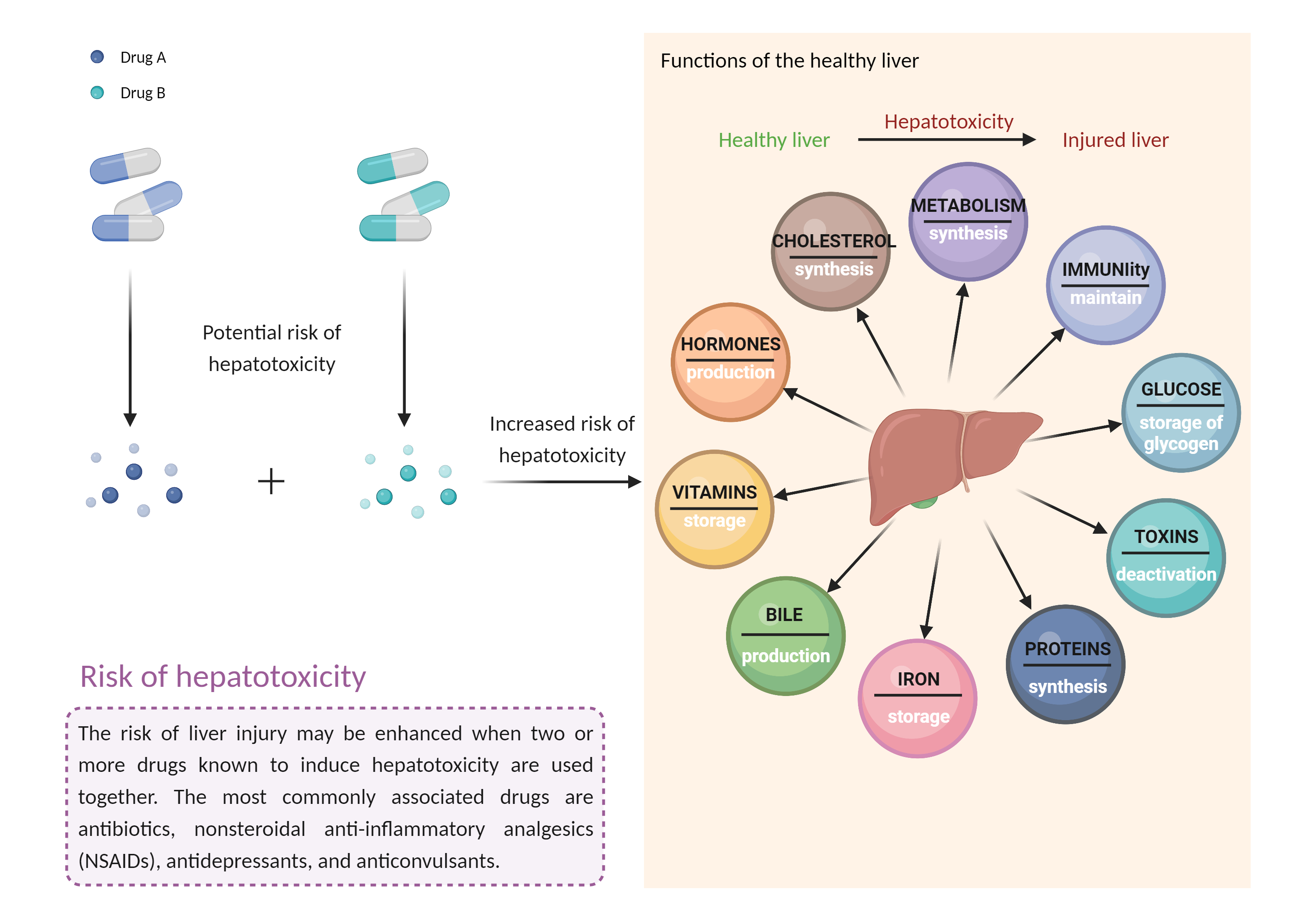
The risk of hepatic injury should be considered when brentuximab vedotin is used with other agents that are potentially hepatotoxic (e.g., acetaminophen alcohol androgens and anabolic steroids antituberculous agents azole antifungal agents ACE inhibitors cyclosporine (high dosages) disulfiram endothelin receptor antagonists interferons ketolide and macrolide antibiotics kinase inhibitors minocycline nonsteroidal anti-inflammatory agents HIV reverse transcriptase inhibitors proteasome inhibitors retinoids sulfonamides tamoxifen thiazolidinediones tolvaptan vincristine zileuton anticonvulsants such as carbamazepine, hydantoins, felbamate, and valproic acid lipid-lowering medications such as fenofibrate, lomitapide, mipomersen, niacin, and statins herbals and nutritional supplements such as black cohosh, chaparral, comfrey, DHEA, kava, pennyroyal oil, and red yeast rice). Patients should be advised to seek medical attention if they experience potential signs and symptoms of hepatotoxicity such as fever, rash, itching, anorexia, nausea, vomiting, fatigue, malaise, right upper quadrant pain, dark urine, pale stools, and jaundice. Liver enzymes and bilirubin should be measured before and during treatment, especially in patients with underlying hepatic disease or marked baseline transaminase elevations. Patients experiencing new, worsening, or recurrent hepatotoxicity may require a delay, change in dosage, or discontinuation of brentuximab vedotin in accordance with the product labeling. |