| Management |
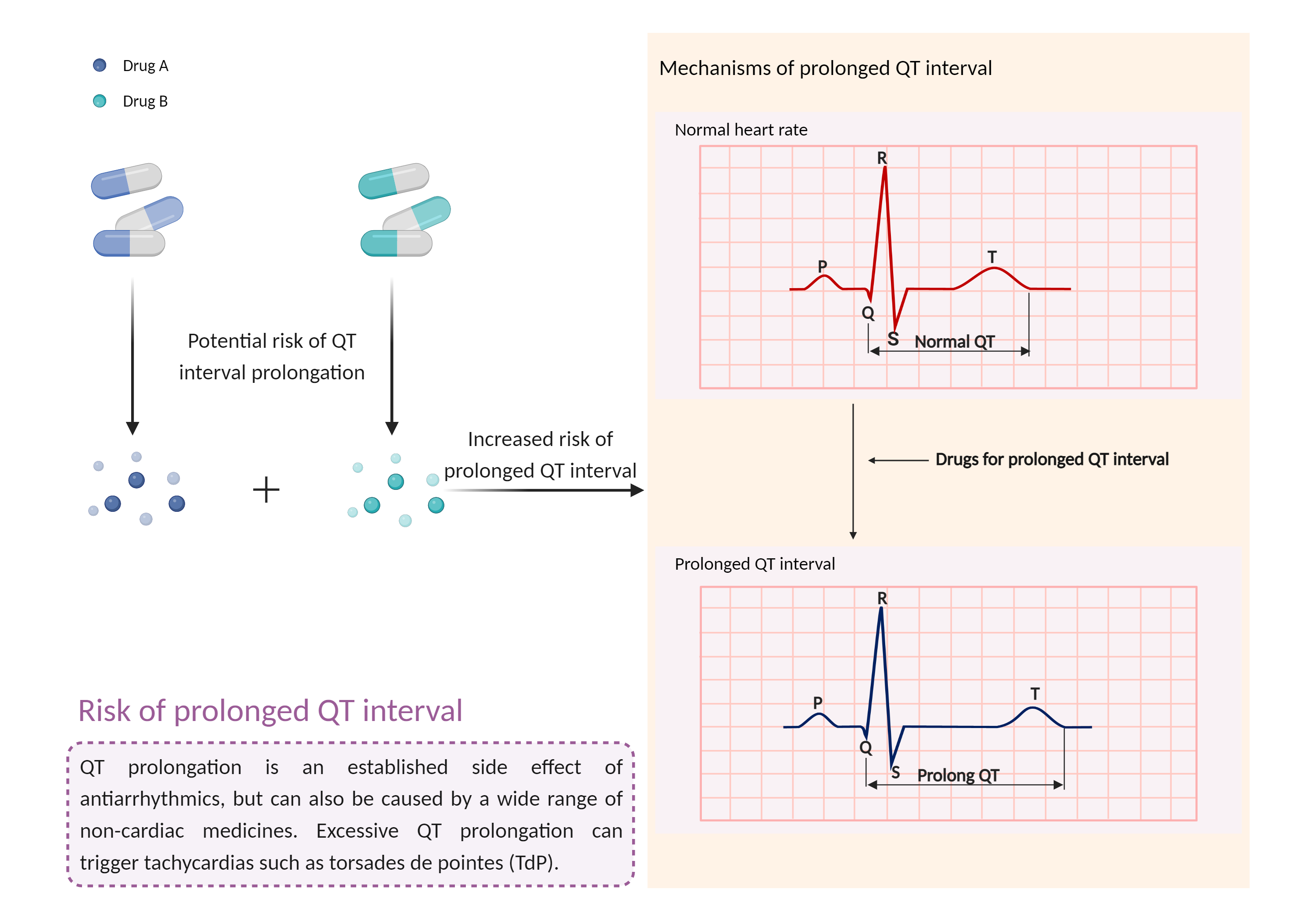
Coadministration of chloroquine or hydroxychloroquine with other drugs that can prolong the QT interval should generally be avoided, particularly in patients with baseline QT prolongation (e.g., QTc >=500 msec) or congenital long QT syndrome. Close monitoring of QTc interval, electrolyte levels, and renal and hepatic function is recommended if concomitant use is required and benefits are anticipated to outweigh the risks. Electrolyte abnormalities should be corrected prior to initiating treatment with chloroquine or hydroxychloroquine. Patients should be advised to seek prompt medical attention if they experience symptoms that could indicate the occurrence of torsade de pointes such as dizziness, lightheadedness, fainting, palpitation, irregular heart rhythm, shortness of breath, or syncope. Because chloroquine and hydroxychloroquine are eliminated slowly from the body, the potential for drug interactions should be observed for a prolonged period following their discontinuation. |