
Details of Drug-Drug Interaction
| Drug General Information (ID: DDI3JFSMYB) | |||||||||
|---|---|---|---|---|---|---|---|---|---|
| Drug Name | Ospemifene | Drug Info | Eltrombopag | Drug Info | |||||
| Drug Type | Small molecule | Small molecule | |||||||
| Therapeutic Class | Selective Estrogen Receptor Modulators | Platelet-Stimulating Agents | |||||||
| Structure | |||||||||
| Mechanism of Ospemifene-Eltrombopag Interaction (Severity Level: Moderate) | |||||||||
|---|---|---|---|---|---|---|---|---|---|
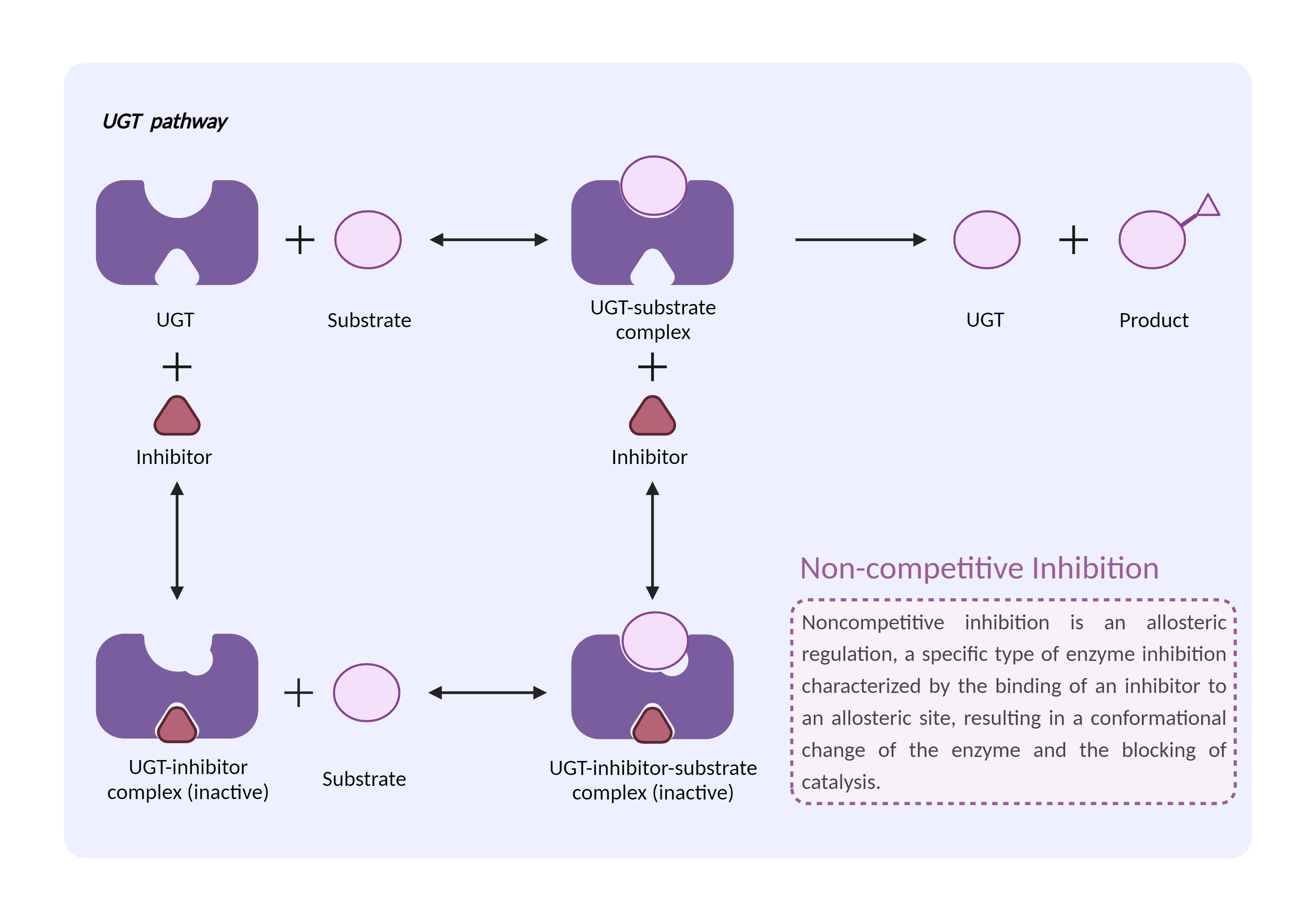
| UGT inhibition Click to Show/Hide Mechanism Graph | |||||||||
 |
|||||||||
| Drug Name | Ospemifene | Eltrombopag | |||||||
| Mechanism | UGT1A3 inhibitor | UGT1A3 substrate | |||||||
| Key Mechanism Factor 1 | |||||||||
| Factor Name | UDP-glucuronosyltransferase 1A3 |
×
Structure
Sequence
MATGLQVPLPWLATGLLLLLSVQPWAESGKVLVVPIDGSHWLSMREVLRELHARGHQAVVLTPEVNMHIKEENFFTLTTYAISWTQDEFDRHVLGHTQLYFETEHFLKKFFRSMAMLNNMSLVYHRSCVELLHNEALIRHLNATSFDVVLTDPVNLCAAVLAKYLSIPTVFFLRNIPCDLDFKGTQCPNPSSYIPRLLTTNSDHMTFMQRVKNMLYPLALSYICHAFSAPYASLASELFQREVSVVDILSHASVWLFRGDFVMDYPRPIMPNMVFIGGINCANRKPLSQEFEAYINASGEHGIVVFSLGSMVSEIPEKKAMAIADALGKIPQTVLWRYTGTRPSNLANNTILVKWLPQNDLLGHPMTRAFITHAGSHGVYESICNGVPMVMMPLFGDQMDNAKRMETKGAGVTLNVLEMTSEDLENALKAVINDKSYKENIMRLSSLHKDRPVEPLDLAVFWVEFVMRHKGAPHLRPAAHDLTWYQYHSLDVIGFLLAVVLTVAFITFKCCAYGYRKCLGKKGRVKKAHKSKTH
|
|||||||
| Gene Name | UGT1A3 | ||||||||
| Uniprot ID | UD13_HUMAN | ||||||||
| KEGG Pathway | hsa:54659 | ||||||||
| Protein Family | UDP-glycosyltransferase family | ||||||||
| Protein Function |
[Isoform 1]: UDP-glucuronosyltransferase (UGT) that catalyzes phase II biotransformation reactions in which lipophilic substrates are conjugated with glucuronic acid to increase the metabolite's water solubility, thereby facilitating excretion into either the urine or bile (PubMed:15472229, PubMed:18674515, PubMed:18719240, PubMed:23756265, PubMed:23288867, PubMed:24641623). Essential for the elimination and detoxification of drugs, xenobiotics and endogenous compounds (PubMed:23756265). Catalyzes the glucuronidation of endogenous estrogen hormones such as estradiol and estrone (PubMed:15472229, PubMed:18719240, PubMed:23288867). Contributes to bile acid (BA) detoxification by catalyzing the glucuronidation of BA substrates, which are natural detergents for dietary lipids absorption (PubMed:23756265). Involved in the glucuronidation of calcidiol, which is the major circulating form of vitamin D3, essential for the regulation of calcium and phosphate homeostasis (PubMed:24641623). Involved in the glucuronidation of the AGTR1 angiotensin receptor antagonists losartan, candesartan and zolarsartan, which can inhibit the effect of angiotensin II (PubMed:18674515).
Click to Show/Hide
|
||||||||
| Mechanism Description |
|
||||||||
| Recommended Action | |||||||||
|---|---|---|---|---|---|---|---|---|---|
| Management | Until more information is available, caution is advised when ospemifene is used concomitantly with drugs that are substrates of OCT1, UGT1A3, and/or UGT1A9, particularly those with a narrow therapeutic range. Patients should be monitored for the development of adverse effects. | ||||||||