
Details of Drug-Drug Interaction
| Drug General Information (ID: DDI0Q12LFN) | |||||||||
|---|---|---|---|---|---|---|---|---|---|
| Drug Name | Rifampicin | Drug Info | Selexipag | Drug Info | |||||
| Drug Type | Small molecule | Small molecule | |||||||
| Therapeutic Class | Antituberculosis Agents | Agents For Pulmonary Hypertension | |||||||
| Structure | |||||||||
| Mechanism of Rifampicin-Selexipag Interaction (Severity Level: Moderate) | |||||||||
|---|---|---|---|---|---|---|---|---|---|
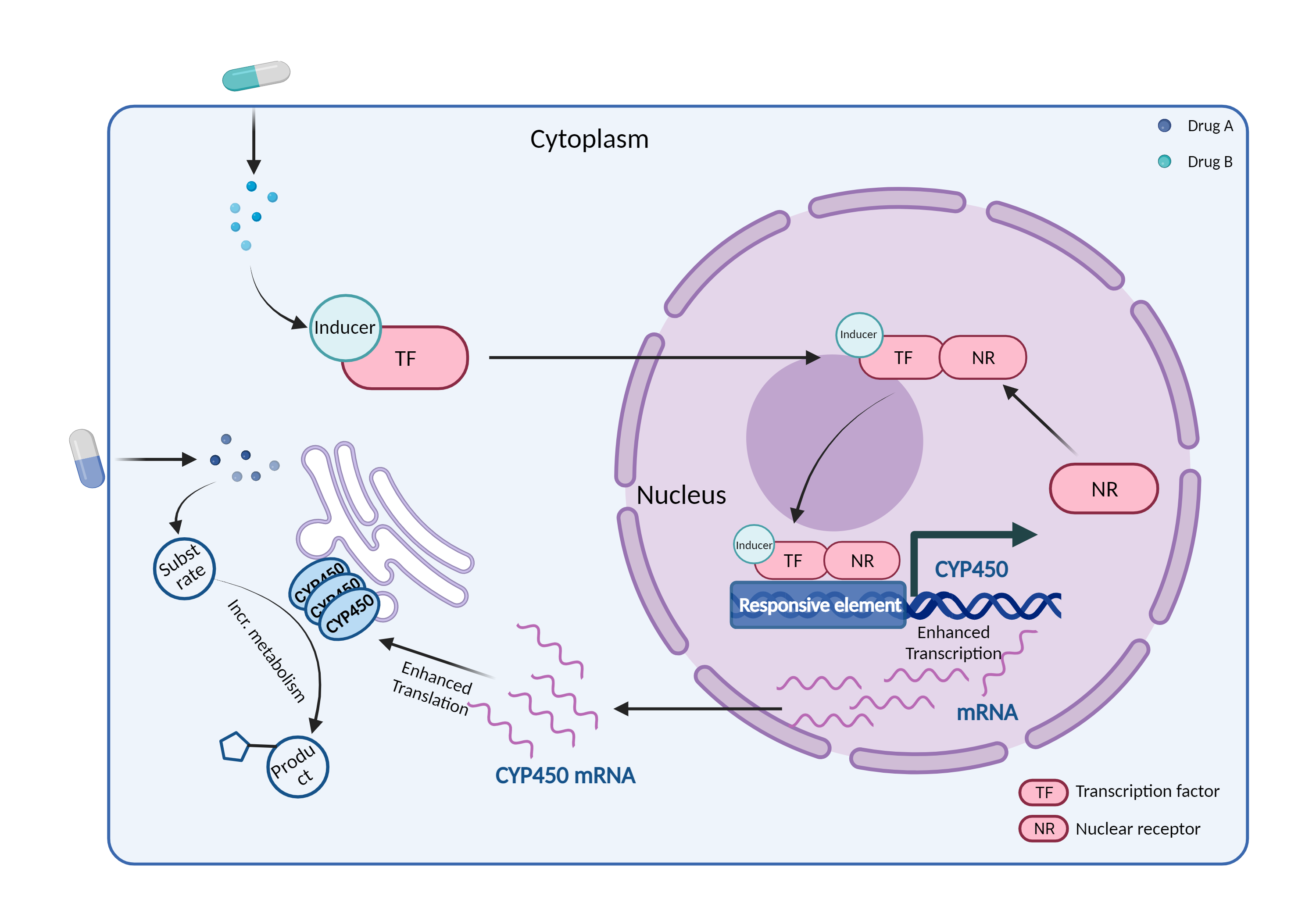
| CYP450 enzyme induction Click to Show/Hide Mechanism Graph | |||||||||
 |
|||||||||
| Drug Name | Rifampicin | Selexipag | |||||||
| Mechanism 1 | CYP450 2C8 inducer | CYP450 2C8 substrate | |||||||
| Key Mechanism Factor 1 | |||||||||
| Factor Name | Cytochrome P450 2C8 |
×
Structure
Sequence
MEPFVVLVLCLSFMLLFSLWRQSCRRRKLPPGPTPLPIIGNMLQIDVKDICKSFTNFSKVYGPVFTVYFGMNPIVVFHGYEAVKEALIDNGEEFSGRGNSPISQRITKGLGIISSNGKRWKEIRRFSLTTLRNFGMGKRSIEDRVQEEAHCLVEELRKTKASPCDPTFILGCAPCNVICSVVFQKRFDYKDQNFLTLMKRFNENFRILNSPWIQVCNNFPLLIDCFPGTHNKVLKNVALTRSYIREKVKEHQASLDVNNPRDFIDCFLIKMEQEKDNQKSEFNIENLVGTVADLFVAGTETTSTTLRYGLLLLLKHPEVTAKVQEEIDHVIGRHRSPCMQDRSHMPYTDAVVHEIQRYSDLVPTGVPHAVTTDTKFRNYLIPKGTTIMALLTSVLHDDKEFPNPNIFDPGHFLDKNGNFKKSDYFMPFSAGKRICAGEGLARMELFLFLTTILQNFNLKSVDDLKNLNTTAVTKGIVSLPPSYQICFIPV
|
|||||||
| Gene Name | CYP2C8 | ||||||||
| Uniprot ID | CP2C8_HUMAN | ||||||||
| KEGG Pathway | hsa:1558 | ||||||||
| Protein Family | Cytochrome P450 family | ||||||||
| Protein Function |
A cytochrome P450 monooxygenase involved in the metabolism of various endogenous substrates, including fatty acids, steroid hormones and vitamins (PubMed:7574697, PubMed:11093772, PubMed:14559847, PubMed:15766564, PubMed:19965576). Mechanistically, uses molecular oxygen inserting one oxygen atom into a substrate, and reducing the second into a water molecule, with two electrons provided by NADPH via cytochrome P450 reductase (NADPH--hemoprotein reductase) (PubMed:7574697, PubMed:11093772, PubMed:14559847, PubMed:15766564, PubMed:19965576). Primarily catalyzes the epoxidation of double bonds of polyunsaturated fatty acids (PUFA) with a preference for the last double bond (PubMed:7574697, PubMed:15766564, PubMed:19965576). Catalyzes the hydroxylation of carbon-hydrogen bonds. Metabolizes all trans-retinoic acid toward its 4-hydroxylated form (PubMed:11093772). Displays 16-alpha hydroxylase activity toward estrogen steroid hormones, 17beta-estradiol (E2) and estrone (E1) (PubMed:14559847). Plays a role in the oxidative metabolism of xenobiotics. It is the principal enzyme responsible for the metabolism of the anti-cancer drug paclitaxel (taxol) (PubMed:26427316).
Click to Show/Hide
|
||||||||
| Mechanism Description |
|
||||||||
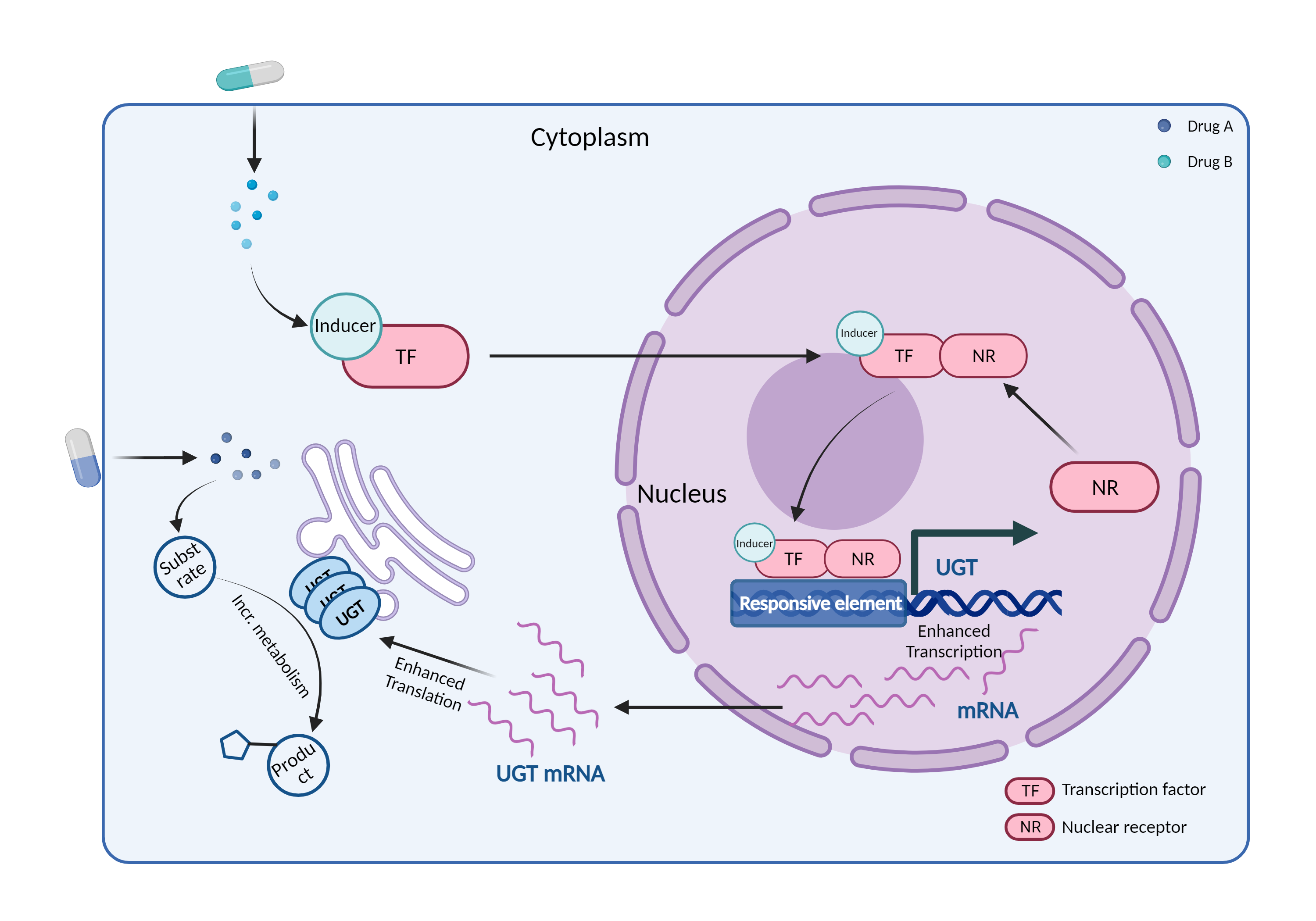
| UGT induction Click to Show/Hide Mechanism Graph | |||||||||
 |
|||||||||
| Drug Name | Rifampicin | Selexipag | |||||||
| Mechanism 2 | UGT1A3 inducer | UGT1A3 substrate | |||||||
| Key Mechanism Factor 2 | |||||||||
| Factor Name | UDP-glucuronosyltransferase 1A3 |
×
Structure
Sequence
MATGLQVPLPWLATGLLLLLSVQPWAESGKVLVVPIDGSHWLSMREVLRELHARGHQAVVLTPEVNMHIKEENFFTLTTYAISWTQDEFDRHVLGHTQLYFETEHFLKKFFRSMAMLNNMSLVYHRSCVELLHNEALIRHLNATSFDVVLTDPVNLCAAVLAKYLSIPTVFFLRNIPCDLDFKGTQCPNPSSYIPRLLTTNSDHMTFMQRVKNMLYPLALSYICHAFSAPYASLASELFQREVSVVDILSHASVWLFRGDFVMDYPRPIMPNMVFIGGINCANRKPLSQEFEAYINASGEHGIVVFSLGSMVSEIPEKKAMAIADALGKIPQTVLWRYTGTRPSNLANNTILVKWLPQNDLLGHPMTRAFITHAGSHGVYESICNGVPMVMMPLFGDQMDNAKRMETKGAGVTLNVLEMTSEDLENALKAVINDKSYKENIMRLSSLHKDRPVEPLDLAVFWVEFVMRHKGAPHLRPAAHDLTWYQYHSLDVIGFLLAVVLTVAFITFKCCAYGYRKCLGKKGRVKKAHKSKTH
|
|||||||
| Gene Name | UGT1A3 | ||||||||
| Uniprot ID | UD13_HUMAN | ||||||||
| KEGG Pathway | hsa:54659 | ||||||||
| Protein Family | UDP-glycosyltransferase family | ||||||||
| Protein Function |
[Isoform 1]: UDP-glucuronosyltransferase (UGT) that catalyzes phase II biotransformation reactions in which lipophilic substrates are conjugated with glucuronic acid to increase the metabolite's water solubility, thereby facilitating excretion into either the urine or bile (PubMed:15472229, PubMed:18674515, PubMed:18719240, PubMed:23756265, PubMed:23288867, PubMed:24641623). Essential for the elimination and detoxification of drugs, xenobiotics and endogenous compounds (PubMed:23756265). Catalyzes the glucuronidation of endogenous estrogen hormones such as estradiol and estrone (PubMed:15472229, PubMed:18719240, PubMed:23288867). Contributes to bile acid (BA) detoxification by catalyzing the glucuronidation of BA substrates, which are natural detergents for dietary lipids absorption (PubMed:23756265). Involved in the glucuronidation of calcidiol, which is the major circulating form of vitamin D3, essential for the regulation of calcium and phosphate homeostasis (PubMed:24641623). Involved in the glucuronidation of the AGTR1 angiotensin receptor antagonists losartan, candesartan and zolarsartan, which can inhibit the effect of angiotensin II (PubMed:18674515).
Click to Show/Hide
|
||||||||
| Mechanism Description |
|
||||||||
| Mechanism 3 | UGT2B7 inducer | UGT2B7 substrate | |||||||
| Key Mechanism Factor 3 | |||||||||
| Factor Name | UDP-glucuronosyltransferase 2B7 |
×
Structure
Sequence
MSVKWTSVILLIQLSFCFSSGNCGKVLVWAAEYSHWMNIKTILDELIQRGHEVTVLASSASILFDPNNSSALKIEIYPTSLTKTELENFIMQQIKRWSDLPKDTFWLYFSQVQEIMSIFGDITRKFCKDVVSNKKFMKKVQESRFDVIFADAIFPCSELLAELFNIPFVYSLSFSPGYTFEKHSGGFIFPPSYVPVVMSELTDQMTFMERVKNMIYVLYFDFWFEIFDMKKWDQFYSEVLGRPTTLSETMGKADVWLIRNSWNFQFPYPLLPNVDFVGGLHCKPAKPLPKEMEDFVQSSGENGVVVFSLGSMVSNMTEERANVIASALAQIPQKVLWRFDGNKPDTLGLNTRLYKWIPQNDLLGHPKTRAFITHGGANGIYEAIYHGIPMVGIPLFADQPDNIAHMKARGAAVRVDFNTMSSTDLLNALKRVINDPSYKENVMKLSRIQHDQPVKPLDRAVFWIEFVMRHKGAKHLRVAAHDLTWFQYHSLDVIGFLLVCVATVIFIVTKCCLFCFWKFARKAKKGKND
|
|||||||
| Gene Name | UGT2B7 | ||||||||
| Uniprot ID | UD2B7_HUMAN | ||||||||
| KEGG Pathway | hsa:7364 | ||||||||
| Protein Family | UDP-glycosyltransferase family | ||||||||
| Protein Function |
UDP-glucuronosyltransferase (UGT) that catalyzes phase II biotransformation reactions in which lipophilic substrates are conjugated with glucuronic acid to increase the metabolite's water solubility, thereby facilitating excretion into either the urine or bile (PubMed:10702251, PubMed:15472229, PubMed:15470161, PubMed:18674515, PubMed:18719240, PubMed:19022937, PubMed:23288867, PubMed:23756265, PubMed:26220143, PubMed:17442341). Essential for the elimination and detoxification of drugs, xenobiotics and endogenous compounds (PubMed:15470161, PubMed:18674515, PubMed:23756265). Catalyzes the glucuronidation of endogenous steroid hormones such as androgens (epitestosterone, androsterone) and estrogens (estradiol, epiestradiol, estriol, catechol estrogens) (PubMed:2159463, PubMed:15472229, PubMed:18719240, PubMed:19022937, PubMed:23288867, PubMed:26220143, PubMed:17442341). Also regulates the levels of retinoic acid, a major metabolite of vitamin A involved in apoptosis, cellular growth and differentiation, and embryonic development (PubMed:10702251). Contributes to bile acid (BA) detoxification by catalyzing the glucuronidation of BA substrates, which are natural detergents for dietary lipids absorption (PubMed:23756265). Involved in the glucuronidation of the AGTR1 angiotensin receptor antagonist losartan, caderastan and zolarsatan, drugs which can inhibit the effect of angiotensin II (PubMed:18674515). Also metabolizes mycophenolate, an immunosuppressive agent (PubMed:15470161).
Click to Show/Hide
|
||||||||
| Mechanism Description |
|
||||||||
| Recommended Action | |||||||||
|---|---|---|---|---|---|---|---|---|---|
| Management | Until further data are available, caution and clinical monitoring are recommended if selexipag is used with strong CYP450 2C8, UGT 1A3, and/or UGT 2B7 inducers, such as rifampin and rifapentine. | ||||||||
| References | |||||||||||||||||||
|---|---|---|---|---|---|---|---|---|---|---|---|---|---|---|---|---|---|---|---|
| 1 | Cerner Multum, Inc. "UK Summary of Product Characteristics.". | ||||||||||||||||||
| 2 | Product Information. Uptravi (selexipag). Actelion Pharmaceuticals US Inc, South San Francisco, CA. | ||||||||||||||||||