
Details of Drug-Drug Interaction
| Drug General Information (ID: DDIYSQM80T) | |||||||||
|---|---|---|---|---|---|---|---|---|---|
| Drug Name | Verapamil | Drug Info | Tetracosactide | Drug Info | |||||
| Drug Type | Small molecule | Small molecule | |||||||
| Therapeutic Class | Analgesics | Diagnostic Agents | |||||||
| Structure | |||||||||
| Mechanism of Verapamil-Tetracosactide Interaction (Severity Level: Moderate) | |||||||||
|---|---|---|---|---|---|---|---|---|---|
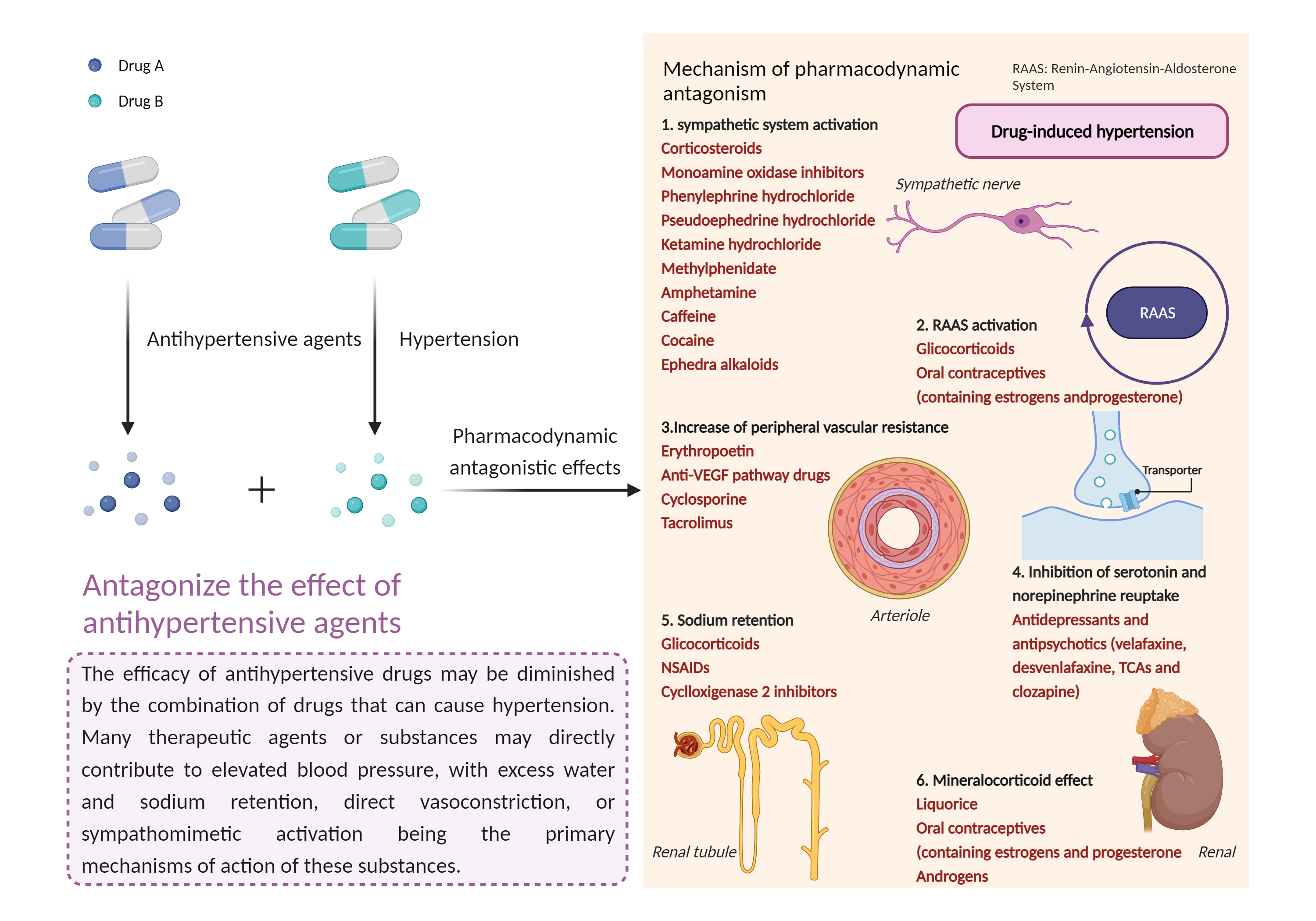
| Antagonize the effect of antihypertensive agents Click to Show/Hide Mechanism Graph | |||||||||
 |
|||||||||
| Drug Name | Verapamil | Tetracosactide | |||||||
| Mechanism |
Antihypertensive agent Voltage-gated calcium channel Blocker |
Hypertensive effects Induction of sodium and fluid retention |
|||||||
| Key Mechanism Factor 1 | |||||||||
| Factor Name | Voltage-dependent L-type calcium channel | Structure Sequence | |||||||
| Protein Family | Calcium channel beta subunit family | ||||||||
| Protein Function |
Regulatory subunit of L-type calcium channels (PubMed:1309651, PubMed:8107964, PubMed:15615847). Regulates the activity of L-type calcium channels that contain CACNA1A as pore-forming subunit (By similarity). Regulates the activity of L-type calcium channels that contain CACNA1C as pore-forming subunit and increases the presence of the channel complex at the cell membrane (PubMed:15615847). Required for functional expression L-type calcium channels that contain CACNA1D as pore-forming subunit (PubMed:1309651). Regulates the activity of L-type calcium channels that contain CACNA1B as pore-forming subunit (PubMed:8107964).
Click to Show/Hide
|
||||||||
| Mechanism Description |
|
||||||||
| Recommended Action | |||||||||
|---|---|---|---|---|---|---|---|---|---|
| Management | Patients on prolonged (i.e., longer than about a week) or high-dose corticosteroid therapy should have blood pressure, electrolyte levels, and body weight monitored regularly, and be observed for the development of edema and congestive heart failure. The dosages of antihypertensive medications may require adjustment. | ||||||||
| References | |||||||||||||||||||
|---|---|---|---|---|---|---|---|---|---|---|---|---|---|---|---|---|---|---|---|
| 1 | Cerner Multum, Inc. "UK Summary of Product Characteristics.". | ||||||||||||||||||
| 2 | Multum Information Services, Inc. Expert Review Panel. | ||||||||||||||||||