| Management |
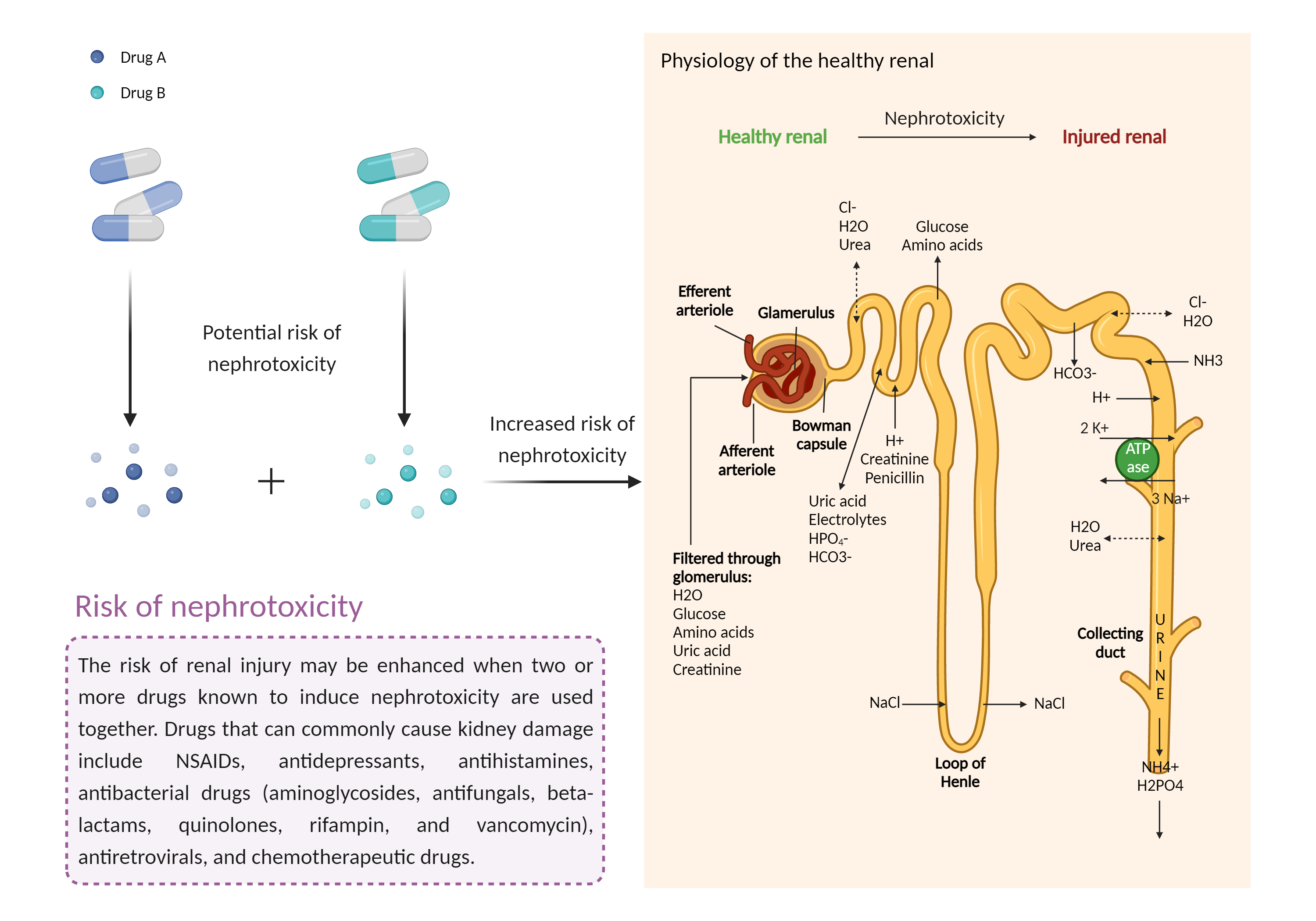
Caution is advised if deferasirox is used in combination with NSAIDs. Patients should be advised to contact their physician if they develop potential signs and symptoms of gastrointestinal injury such as abdominal pain, bloating, dizziness, lightheadedness, vomiting blood, anorexia, or black, tarry stools. Serum creatinine and/or creatinine clearance should be closely monitored (e.g., prior to initiation of deferasirox therapy, then weekly during the first month after initiation or modification of therapy and monthly thereafter), especially in the elderly and patients with preexisting renal impairment, comorbid conditions, dehydration, or severe infections. Dosage reduction, interruption, or discontinuation should be considered in the presence of creatinine elevations. A progressive increase in serum creatinine beyond the age-appropriate upper limit of normal may warrant an interruption of therapy. Once the creatinine has returned to within the normal range, therapy may be reinitiated at a lower dose followed by a gradual dose escalation according to the product labeling, provided the clinical benefit is expected to outweigh potential risks. |