
Details of Drug-Drug Interaction
| Drug General Information (ID: DDIJGPZ9VK) | |||||||||
|---|---|---|---|---|---|---|---|---|---|
| Drug Name | Amoxapine | Drug Info | Clonazepam | Drug Info | |||||
| Drug Type | Small molecule | Small molecule | |||||||
| Therapeutic Class | Antidepressants | Anticonvulsants | |||||||
| Structure | |||||||||
| Mechanism of Amoxapine-Clonazepam Interaction (Severity Level: Moderate) | |||||||||
|---|---|---|---|---|---|---|---|---|---|
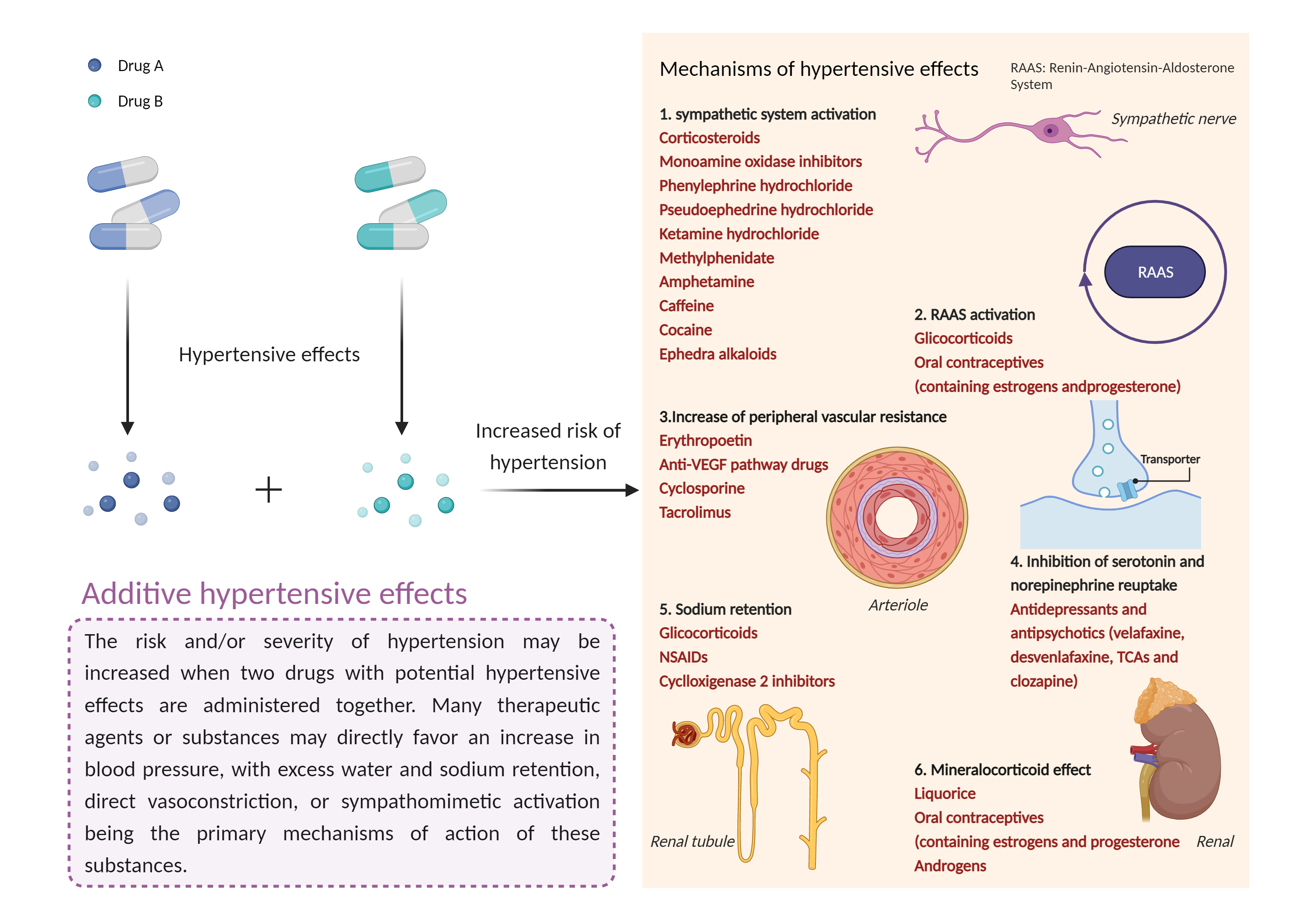
| Additive hypertensive effects Click to Show/Hide Mechanism Graph | |||||||||
 |
|||||||||
| Drug Name | Amoxapine | Clonazepam | |||||||
| Mechanism |
Hypertensive effects Norepinephrine transporter Inhibitor |
Hypertensive effects | |||||||
| Key Mechanism Factor 1 | |||||||||
| Factor Name | Sodium-dependent noradrenaline transporter |
×
Structure
Sequence
MLLARMNPQVQPENNGADTGPEQPLRARKTAELLVVKERNGVQCLLAPRDGDAQPRETWGKKIDFLLSVVGFAVDLANVWRFPYLCYKNGGGAFLIPYTLFLIIAGMPLFYMELALGQYNREGAATVWKICPFFKGVGYAVILIALYVGFYYNVIIAWSLYYLFSSFTLNLPWTDCGHTWNSPNCTDPKLLNGSVLGNHTKYSKYKFTPAAEFYERGVLHLHESSGIHDIGLPQWQLLLCLMVVVIVLYFSLWKGVKTSGKVVWITATLPYFVLFVLLVHGVTLPGASNGINAYLHIDFYRLKEATVWIDAATQIFFSLGAGFGVLIAFASYNKFDNNCYRDALLTSSINCITSFVSGFAIFSILGYMAHEHKVNIEDVATEGAGLVFILYPEAISTLSGSTFWAVVFFVMLLALGLDSSMGGMEAVITGLADDFQVLKRHRKLFTFGVTFSTFLLALFCITKGGIYVLTLLDTFAAGTSILFAVLMEAIGVSWFYGVDRFSNDIQQMMGFRPGLYWRLCWKFVSPAFLLFVVVVSIINFKPLTYDDYIFPPWANWVGWGIALSSMVLVPIYVIYKFLSTQGSLWERLAYGITPENEHHLVAQRDIRQFQLQHWLAI
|
|||||||
| Gene Name | SLC6A2 | ||||||||
| Uniprot ID | SC6A2_HUMAN | ||||||||
| KEGG Pathway | hsa:6530 | ||||||||
| Protein Family | Sodium:neurotransmitter symporter (SNF) (TC 2.A.22) family, SLC6A2 subfamily | ||||||||
| Protein Function |
Amine transporter. Terminates the action of noradrenaline by its high affinity sodium-dependent reuptake into presynaptic terminals.
Click to Show/Hide
|
||||||||
| Mechanism Description |
|
||||||||
| Recommended Action | |||||||||
|---|---|---|---|---|---|---|---|---|---|
| Management | Patients should be monitored for excessive or prolonged CNS and respiratory depression. Ambulatory patients should be made aware of the possibility of additive CNS effects (e.g., drowsiness, dizziness, lightheadedness, or confusion) and counseled to avoid activities requiring alertness until they know how these agents affect them. Patients should also be advised to notify their physician if they experience excessive or prolonged CNS effects that interfere with their normal activities. | ||||||||
| References | |||||||||||||||||||
|---|---|---|---|---|---|---|---|---|---|---|---|---|---|---|---|---|---|---|---|
| 1 | Deicken RF "Clonazepam-induced reduction in serum desipramine concentration." J Clin Psychopharmacol 8 (1988): 71-3 | ||||||||||||||||||