
Details of Drug-Drug Interaction
| Drug General Information (ID: DDIC167RM2) | |||||||||
|---|---|---|---|---|---|---|---|---|---|
| Drug Name | Thalidomide | Drug Info | Eribulin | Drug Info | |||||
| Drug Type | Small molecule | Small molecule | |||||||
| Therapeutic Class | Immunosuppressive Agents | Antineoplastics/Mitotic Inhibitors | |||||||
| Structure | |||||||||
| Mechanism of Thalidomide-Eribulin Interaction (Severity Level: Moderate) | |||||||||
|---|---|---|---|---|---|---|---|---|---|
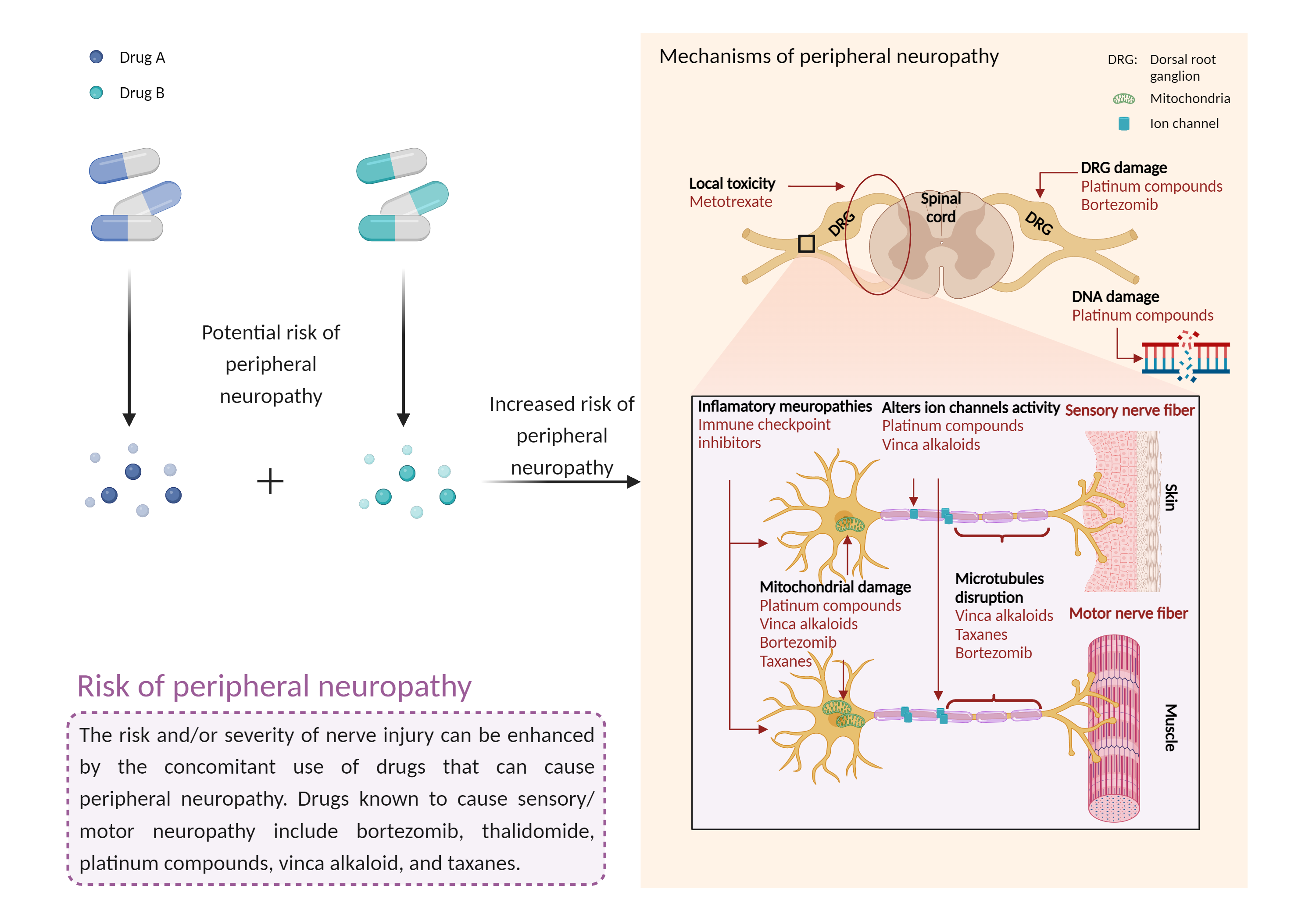
| Increased risk of peripheral neuropathy Click to Show/Hide Mechanism Graph | |||||||||
 |
|||||||||
| Drug Name | Thalidomide | Eribulin | |||||||
| Mechanism 1 | Peripheral neuropathy | Peripheral neuropathy | |||||||
| Key Mechanism Factor 1 | |||||||||
| Factor Name | Peripheral neuropathy | ||||||||
| Factor Description | Peripheral neuropathy is a disorder of the peripheral nerves that can cause sensory and motor symptoms, and even paralysis in severe cases. Signs and symptoms of peripheral neuropathy may include: gradual numbness, tingling or prickling in the feet or hands that can spread up the legs and arms; sharp, stinging, pricking or burning sensations; extreme sensitivity to touch; pain during activities that should not cause pain; lack of coordination and falls; muscle weakness; and paralysis if the motor nerves are affected. | ||||||||
| Mechanism Description |
|
||||||||
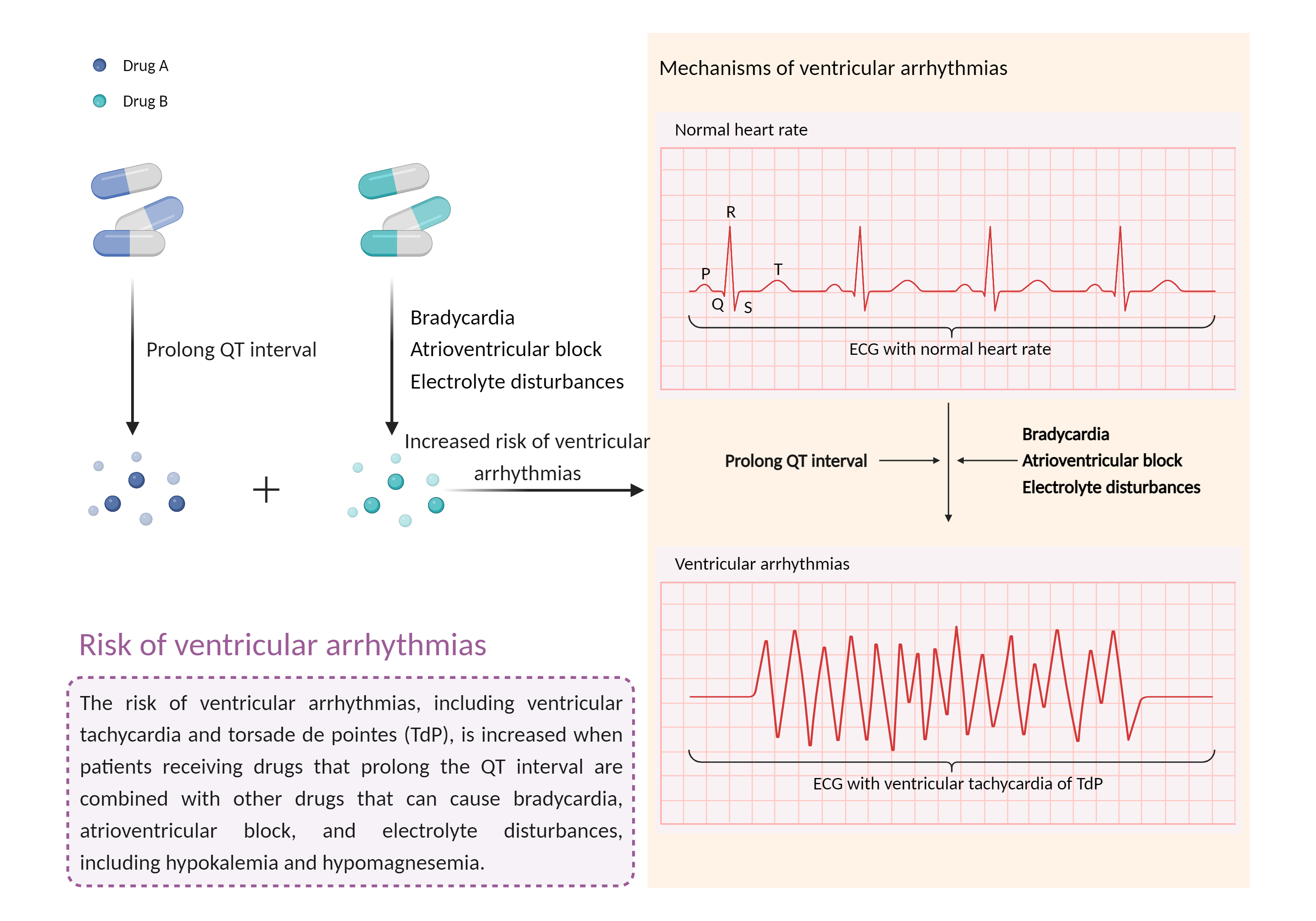
| Increased risk of ventricular arrhythmias Click to Show/Hide Mechanism Graph | |||||||||
 |
|||||||||
| Drug Name | Thalidomide | Eribulin | |||||||
| Mechanism 2 | Prolong QT interval | Bradycardia | |||||||
| Key Mechanism Factor 2 | |||||||||
| Factor Name | Ventricular arrhythmias | ||||||||
| Factor Description | Ventricular arrhythmias are abnormal heart rhythms that cause your heart's lower chambers to pump blood instead of pumping it. This can limit or stop your heart from supplying blood to your body. While some of these arrhythmias are harmless and do not cause symptoms, others can have serious, even fatal, effects on your body. | ||||||||
| Mechanism Description |
|
||||||||
| Recommended Action | |||||||||
|---|---|---|---|---|---|---|---|---|---|
| Management | Caution is advised if thalidomide is used in combination with other neurotoxic agents. All patients treated with thalidomide should be examined at monthly intervals for the first three months of therapy and periodically thereafter to detect early signs of neuropathy such as burning, tingling, pain, or numbness in the hands and feet. Electrophysiological testing may be performed at baseline and every six months during therapy to detect asymptomatic neuropathy. Consideration should be given to immediate discontinuation of thalidomide in patients who develop peripheral neuropathy to limit further damage. Symptoms may improve or return to baseline in some patients upon discontinuation of thalidomide, although the complete time course of this toxicity has not been fully characterized. Because bradycardia is a risk factor for torsade de pointes arrhythmia, caution is advised when thalidomide is used with drugs that can prolong the QT interval or induce torsade de pointes arrhythmia. Patients should be monitored for bradycardia, atrioventricular block and syncope, and advised to seek medical attention if they experience dizziness, lightheadedness, fainting, shortness of breath, or slow or irregular heartbeat. A dose reduction of thalidomide or discontinuation may be required. | ||||||||