
Details of Drug-Drug Interaction
| Drug General Information (ID: DDIBKZEONR) | |||||||||
|---|---|---|---|---|---|---|---|---|---|
| Drug Name | Reteplase | Drug Info | Aprotinin | Drug Info | |||||
| Drug Type | Protein/peptide | Small molecule | |||||||
| Therapeutic Class | Thrombolytics | Serine Protease Inhibitor | |||||||
| Mechanism of Reteplase-Aprotinin Interaction (Severity Level: Moderate) | |||||||||
|---|---|---|---|---|---|---|---|---|---|
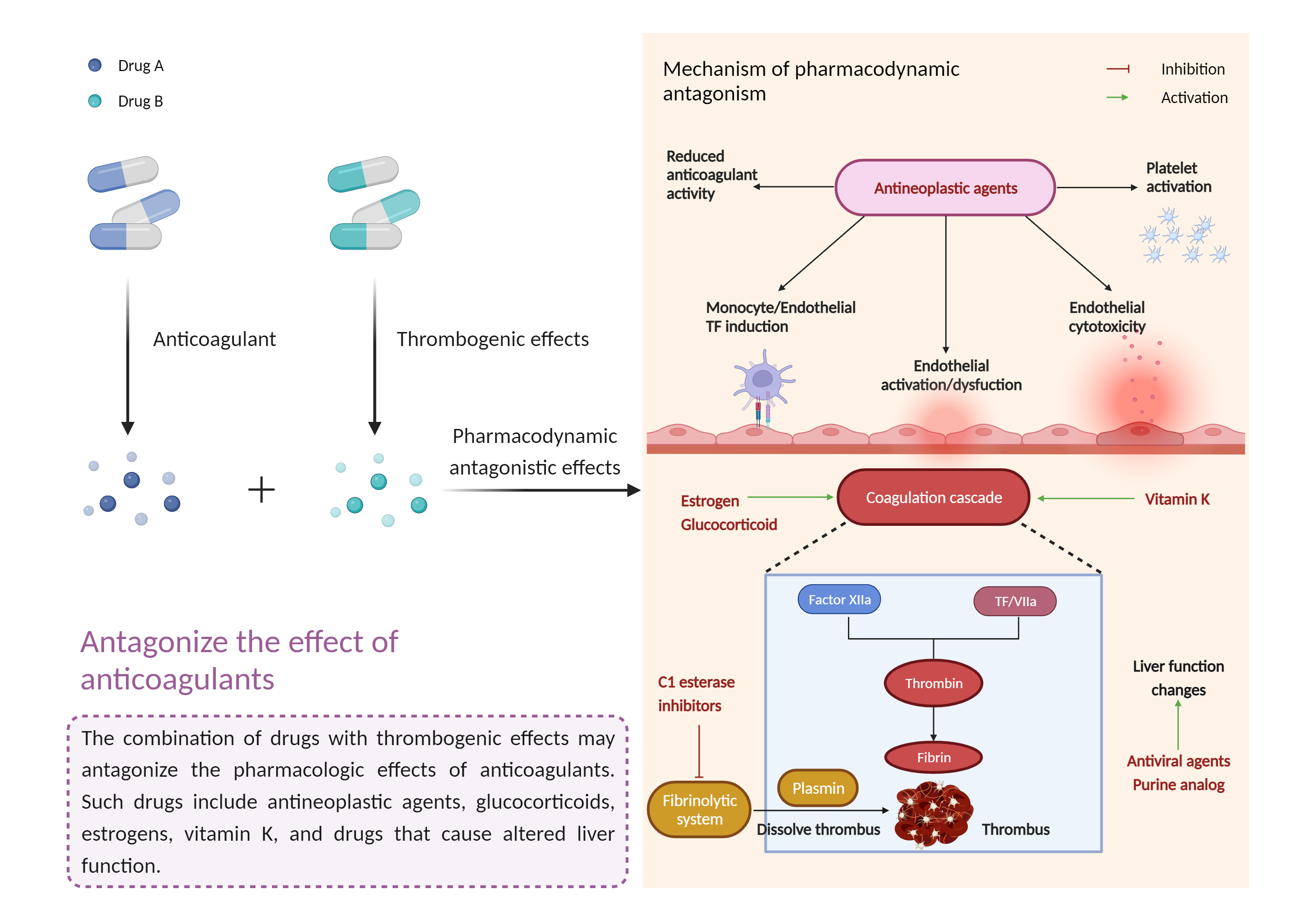
| Antagonize the effect of antithrombotic agents Click to Show/Hide Mechanism Graph | |||||||||
 |
|||||||||
| Drug Name | Reteplase | Aprotinin | |||||||
| Mechanism | Thrombolytic agent | Thrombogenic effects | |||||||
| Key Mechanism Factor 1 | |||||||||
| Factor Name | Plasminogen |
×
Structure
Sequence
MEHKEVVLLLLLFLKSGQGEPLDDYVNTQGASLFSVTKKQLGAGSIEECAAKCEEDEEFTCRAFQYHSKEQQCVIMAENRKSSIIIRMRDVVLFEKKVYLSECKTGNGKNYRGTMSKTKNGITCQKWSSTSPHRPRFSPATHPSEGLEENYCRNPDNDPQGPWCYTTDPEKRYDYCDILECEEECMHCSGENYDGKISKTMSGLECQAWDSQSPHAHGYIPSKFPNKNLKKNYCRNPDRELRPWCFTTDPNKRWELCDIPRCTTPPPSSGPTYQCLKGTGENYRGNVAVTVSGHTCQHWSAQTPHTHNRTPENFPCKNLDENYCRNPDGKRAPWCHTTNSQVRWEYCKIPSCDSSPVSTEQLAPTAPPELTPVVQDCYHGDGQSYRGTSSTTTTGKKCQSWSSMTPHRHQKTPENYPNAGLTMNYCRNPDADKGPWCFTTDPSVRWEYCNLKKCSGTEASVVAPPPVVLLPDVETPSEEDCMFGNGKGYRGKRATTVTGTPCQDWAAQEPHRHSIFTPETNPRAGLEKNYCRNPDGDVGGPWCYTTNPRKLYDYCDVPQCAAPSFDCGKPQVEPKKCPGRVVGGCVAHPHSWPWQVSLRTRFGMHFCGGTLISPEWVLTAAHCLEKSPRPSSYKVILGAHQEVNLEPHVQEIEVSRLFLEPTRKDIALLKLSSPAVITDKVIPACLPSPNYVVADRTECFITGWGETQGTFGAGLLKEAQLPVIENKVCNRYEFLNGRVQSTELCAGHLAGGTDSCQGDSGGPLVCFEKDKYILQGVTSWGLGCARPNKPGVYVRVSRFVTWIEGVMRNN
|
|||||||
| Gene Name | PLG | ||||||||
| Uniprot ID | PLMN_HUMAN | ||||||||
| KEGG Pathway | hsa:5340 | ||||||||
| Protein Family | Peptidase S1 family, Plasminogen subfamily | ||||||||
| Protein Function |
Plasmin dissolves the fibrin of blood clots and acts as a proteolytic factor in a variety of other processes including embryonic development, tissue remodeling, tumor invasion, and inflammation. In ovulation, weakens the walls of the Graafian follicle. It activates the urokinase-type plasminogen activator, collagenases and several complement zymogens, such as C1 and C5. Cleavage of fibronectin and laminin leads to cell detachment and apoptosis. Also cleaves fibrin, thrombospondin and von Willebrand factor. Its role in tissue remodeling and tumor invasion may be modulated by CSPG4. Binds to cells.
Click to Show/Hide
|
||||||||
| Mechanism Description |
|
||||||||
| Recommended Action | |||||||||
|---|---|---|---|---|---|---|---|---|---|
| Management | No specific intervention is warranted, but clinicians should be alert to the potential for diminished therapeutic efficacy if a tissue plasminogen activator is administered to a patient who has been treated with an antifibrinolytic agent, and vice versa. | ||||||||