| Mechanism of Betaxolol (ophthalmic)-Bumetanide Interaction
(Severity Level: Moderate)
|
|
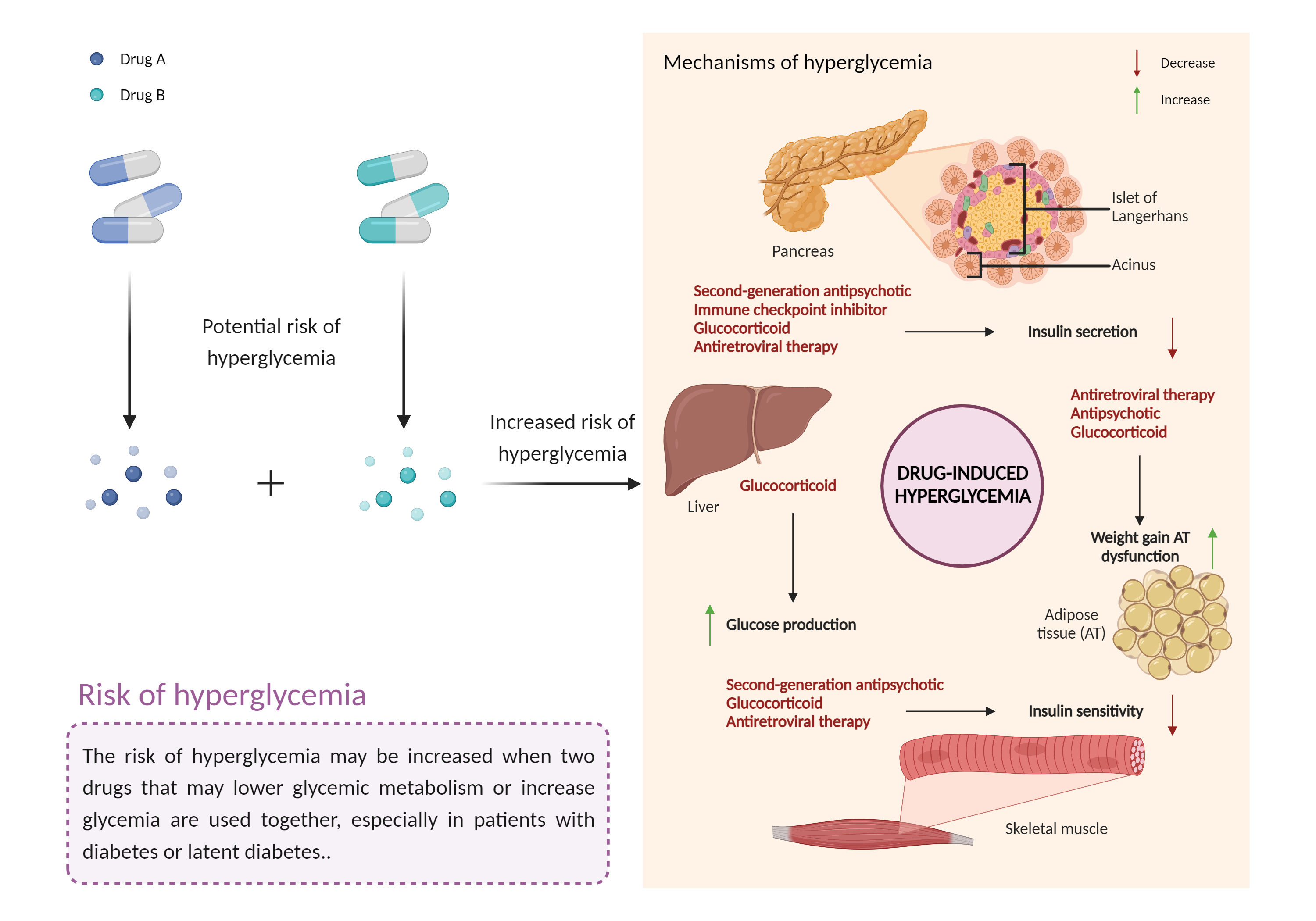
Increased risk of hyperglycemia
Click to Show/Hide Mechanism Graph
|
 |
| Drug Name |
Betaxolol (ophthalmic) |
Bumetanide |
| Mechanism 1 |
Hyperglycemia |
Hyperglycemia |
| Key Mechanism Factor 1 |
| Factor Name |
Hyperglycemia |
| Factor Description |
Drugs can induce hyperglycemia through a variety of mechanisms, including altered insulin secretion and sensitivity, direct cytotoxic effects on pancreatic cells, and increased glucose production. Hyperglycemia may increase the risk of microvascular and macrovascular complications, infection, metabolic coma and even death. |
| Mechanism Description |
- Increased risk of hyperglycemia by the combination of Betaxolol (ophthalmic) and Bumetanide
|
| Mechanism 2 |
Hyperglycemic effects |
Hyperglycemia |
| Key Mechanism Factor 2 |
| Factor Name |
Hyperglycemia |
| Factor Description |
Drugs can induce hyperglycemia through a variety of mechanisms, including altered insulin secretion and sensitivity, direct cytotoxic effects on pancreatic cells, and increased glucose production. Hyperglycemia may increase the risk of microvascular and macrovascular complications, infection, metabolic coma and even death. |
| Mechanism Description |
- Increased risk of hyperglycemia by the combination of Betaxolol (ophthalmic) and Bumetanide
|
| Mechanism 3 |
Hyperglycemia |
Hyperglycemic effects |
| Key Mechanism Factor 3 |
| Factor Name |
Hyperglycemia |
| Factor Description |
Drugs can induce hyperglycemia through a variety of mechanisms, including altered insulin secretion and sensitivity, direct cytotoxic effects on pancreatic cells, and increased glucose production. Hyperglycemia may increase the risk of microvascular and macrovascular complications, infection, metabolic coma and even death. |
| Mechanism Description |
- Increased risk of hyperglycemia by the combination of Betaxolol (ophthalmic) and Bumetanide
|
| Mechanism 4 |
Hyperglycemic effects |
Hyperglycemic effects |
| Key Mechanism Factor 4 |
| Factor Name |
Hyperglycemia |
| Factor Description |
Drugs can induce hyperglycemia through a variety of mechanisms, including altered insulin secretion and sensitivity, direct cytotoxic effects on pancreatic cells, and increased glucose production. Hyperglycemia may increase the risk of microvascular and macrovascular complications, infection, metabolic coma and even death. |
| Mechanism Description |
- Increased risk of hyperglycemia by the combination of Betaxolol (ophthalmic) and Bumetanide
|
|
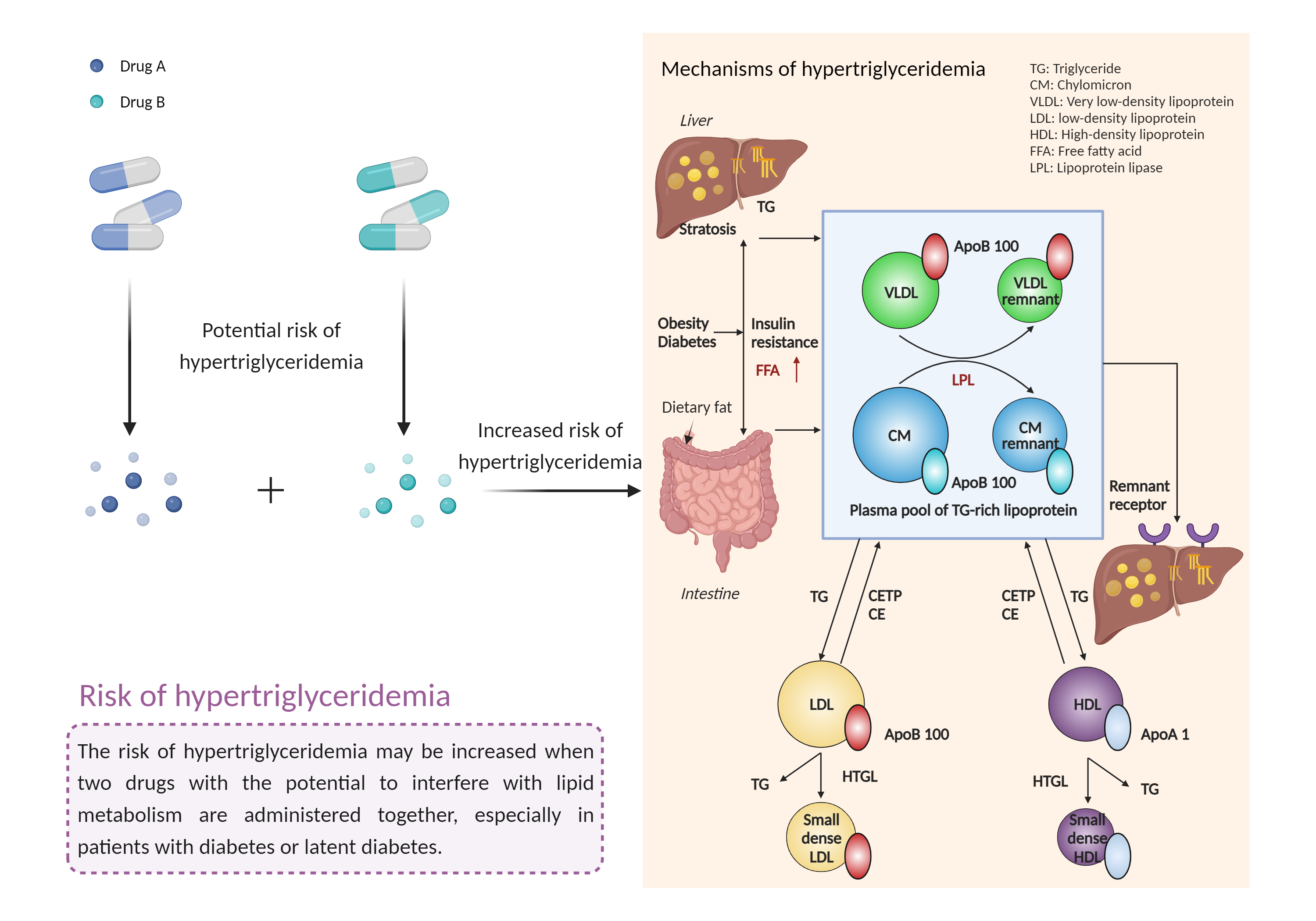
Increased risk of hypertriglyceridemia
Click to Show/Hide Mechanism Graph
|
 |
| Drug Name |
Betaxolol (ophthalmic) |
Bumetanide |
|
Mechanism 5
|
Hypertriglyceridemia |
Hypertriglyceridemia |
| Key Mechanism Factor 5 |
| Factor Name |
Hypertriglyceridemia |
| Factor Description |
Hypertriglyceridemia is a common dyslipidemia often associated with other lipid and metabolic disorders. Hypertriglyceridemia is associated with an increased risk of cardiovascular events and acute pancreatitis. |
| Mechanism Description |
- Increased risk of hypertriglyceridemia by the combination of Betaxolol (ophthalmic) and Bumetanide
|
|
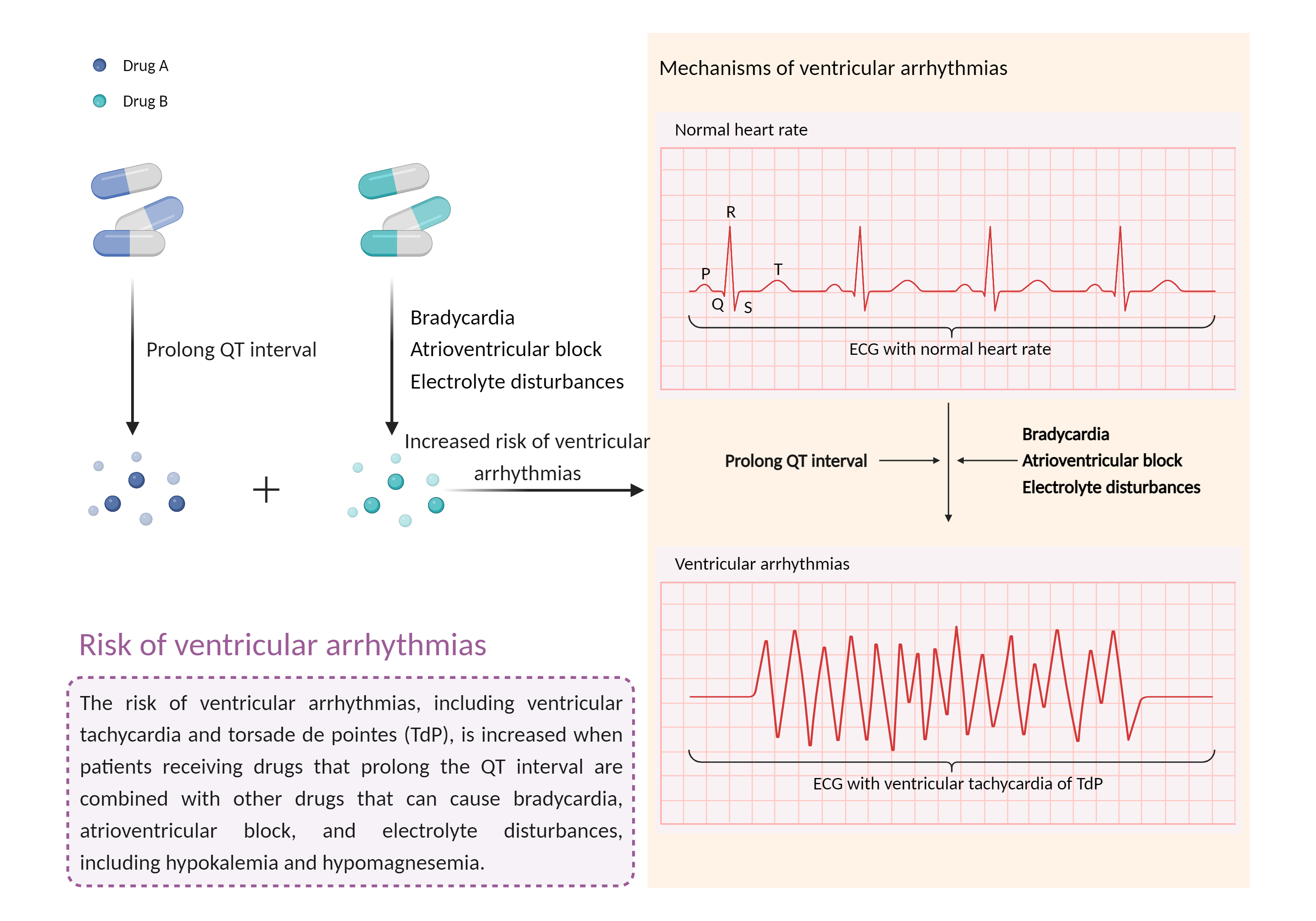
Increased risk of ventricular arrhythmias
Click to Show/Hide Mechanism Graph
|
 |
| Drug Name |
Betaxolol (ophthalmic) |
Bumetanide |
|
Mechanism 6
|
Prolong QT interval |
Hypokalemia |
| Key Mechanism Factor 6 |
| Factor Name |
Ventricular arrhythmias |
| Factor Description |
Ventricular arrhythmias are abnormal heart rhythms that cause your heart's lower chambers to pump blood instead of pumping it. This can limit or stop your heart from supplying blood to your body. While some of these arrhythmias are harmless and do not cause symptoms, others can have serious, even fatal, effects on your body. |
| Mechanism Description |
- Increased risk of ventricular arrhythmias by the combination of Betaxolol (ophthalmic) and Bumetanide
|
