
Details of Drug-Drug Interaction
| Drug General Information (ID: DDI7FZA8VC) | |||||||||
|---|---|---|---|---|---|---|---|---|---|
| Drug Name | Betaxolol (ophthalmic) | Drug Info | Disopyramide | Drug Info | |||||
| Drug Type | Small molecule | Small molecule | |||||||
| Therapeutic Class | Antihypertensive Agents | Antiarrhythmic Agents | |||||||
| Structure | |||||||||
| Mechanism of Betaxolol (ophthalmic)-Disopyramide Interaction (Severity Level: Moderate) | |||||||||
|---|---|---|---|---|---|---|---|---|---|
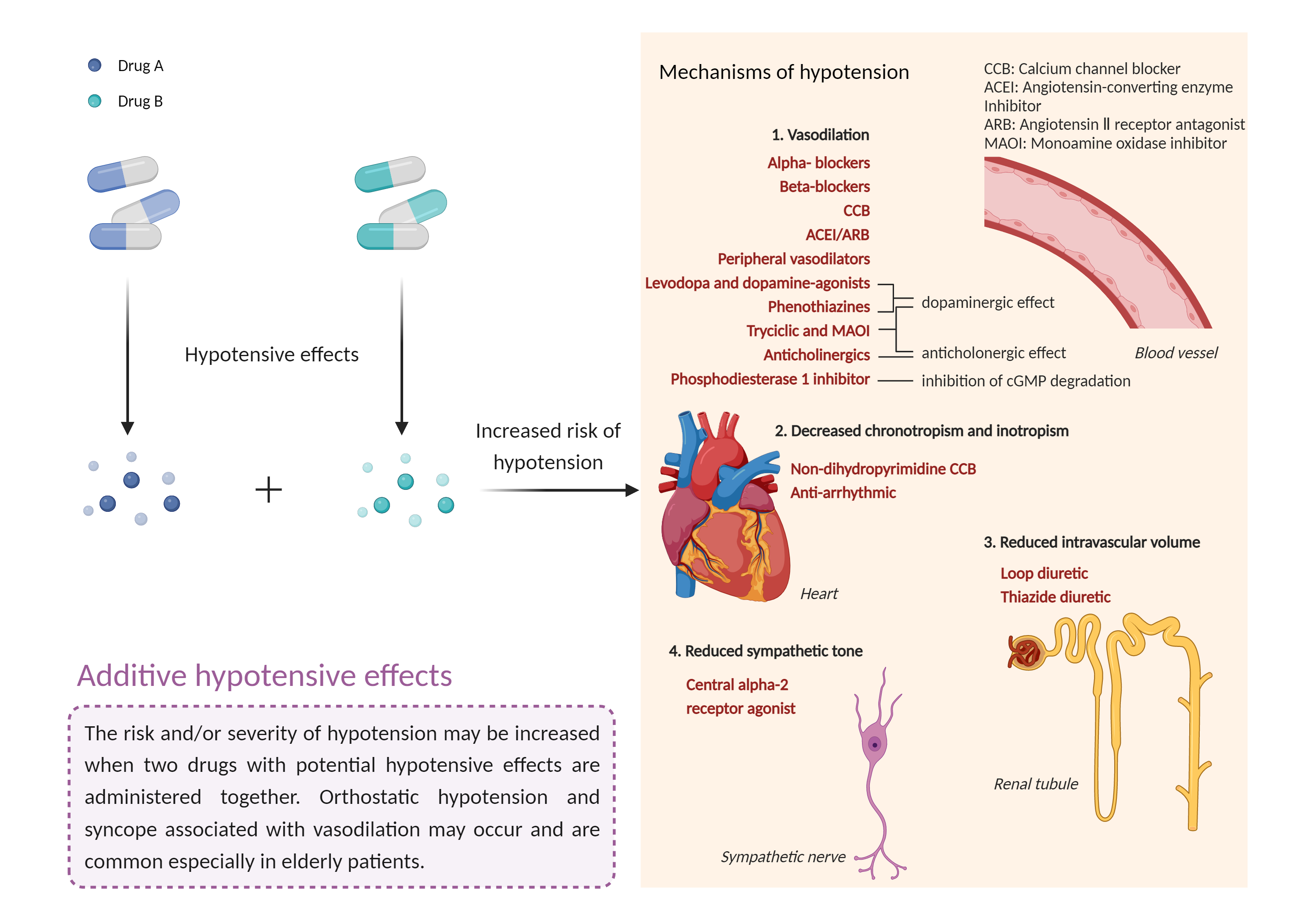
| Additive hypotensive effects Click to Show/Hide Mechanism Graph | |||||||||
 |
|||||||||
| Drug Name | Betaxolol (ophthalmic) | Disopyramide | |||||||
| Mechanism 1 |
Hypotensive effects Beta-1 adrenergic receptor Antagonist |
Hypotensive effects Voltage-gated sodium channel Blocker |
|||||||
| Key Mechanism Factor 1 | |||||||||
| Factor Name | Adrenergic receptor beta-1 |
×
Structure
Sequence
MGAGVLVLGASEPGNLSSAAPLPDGAATAARLLVPASPPASLLPPASESPEPLSQQWTAGMGLLMALIVLLIVAGNVLVIVAIAKTPRLQTLTNLFIMSLASADLVMGLLVVPFGATIVVWGRWEYGSFFCELWTSVDVLCVTASIETLCVIALDRYLAITSPFRYQSLLTRARARGLVCTVWAISALVSFLPILMHWWRAESDEARRCYNDPKCCDFVTNRAYAIASSVVSFYVPLCIMAFVYLRVFREAQKQVKKIDSCERRFLGGPARPPSPSPSPVPAPAPPPGPPRPAAAAATAPLANGRAGKRRPSRLVALREQKALKTLGIIMGVFTLCWLPFFLANVVKAFHRELVPDRLFVFFNWLGYANSAFNPIIYCRSPDFRKAFQRLLCCARRAARRRHATHGDRPRASGCLARPGPPPSPGAASDDDDDDVVGATPPARLLEPWAGCNGGAAADSDSSLDEPCRPGFASESKV
|
|||||||
| Gene Name | ADRB1 | ||||||||
| Uniprot ID | ADRB1_HUMAN | ||||||||
| KEGG Pathway | hsa:153 | ||||||||
| Protein Family | G-protein coupled receptor 1 family | ||||||||
| Protein Function |
Beta-adrenergic receptors mediate the catecholamine-induced activation of adenylate cyclase through the action of G proteins. This receptor binds epinephrine and norepinephrine with approximately equal affinity. Mediates Ras activation through G(s)-alpha- and cAMP-mediated signaling. Involved in the regulation of sleep/wake behaviors (PubMed:31473062).
Click to Show/Hide
|
||||||||
| Key Mechanism Factor 2 | |||||||||
| Factor Name | Voltage-gated sodium channel | Structure Sequence | |||||||
| Protein Family | Sodium channel (TC 1.A.1.10) family | ||||||||
| Protein Function |
This protein mediates the voltage-dependent sodium ion permeability of excitable membranes. Assuming opened or closed conformations in response to the voltage difference across the membrane, the protein forms a sodium-selective channel through which Na(+) ions may pass in accordance with their electrochemical gradient (PubMed:1309946, PubMed:21447824, PubMed:25370050, PubMed:23420830, PubMed:23085483, PubMed:26279430, PubMed:26392562, PubMed:26776555). It is a tetrodotoxin-resistant Na(+) channel isoform (PubMed:1309946). This channel is responsible for the initial upstroke of the action potential. Channel inactivation is regulated by intracellular calcium levels (PubMed:19074138).
Click to Show/Hide
|
||||||||
| Mechanism Description |
|
||||||||
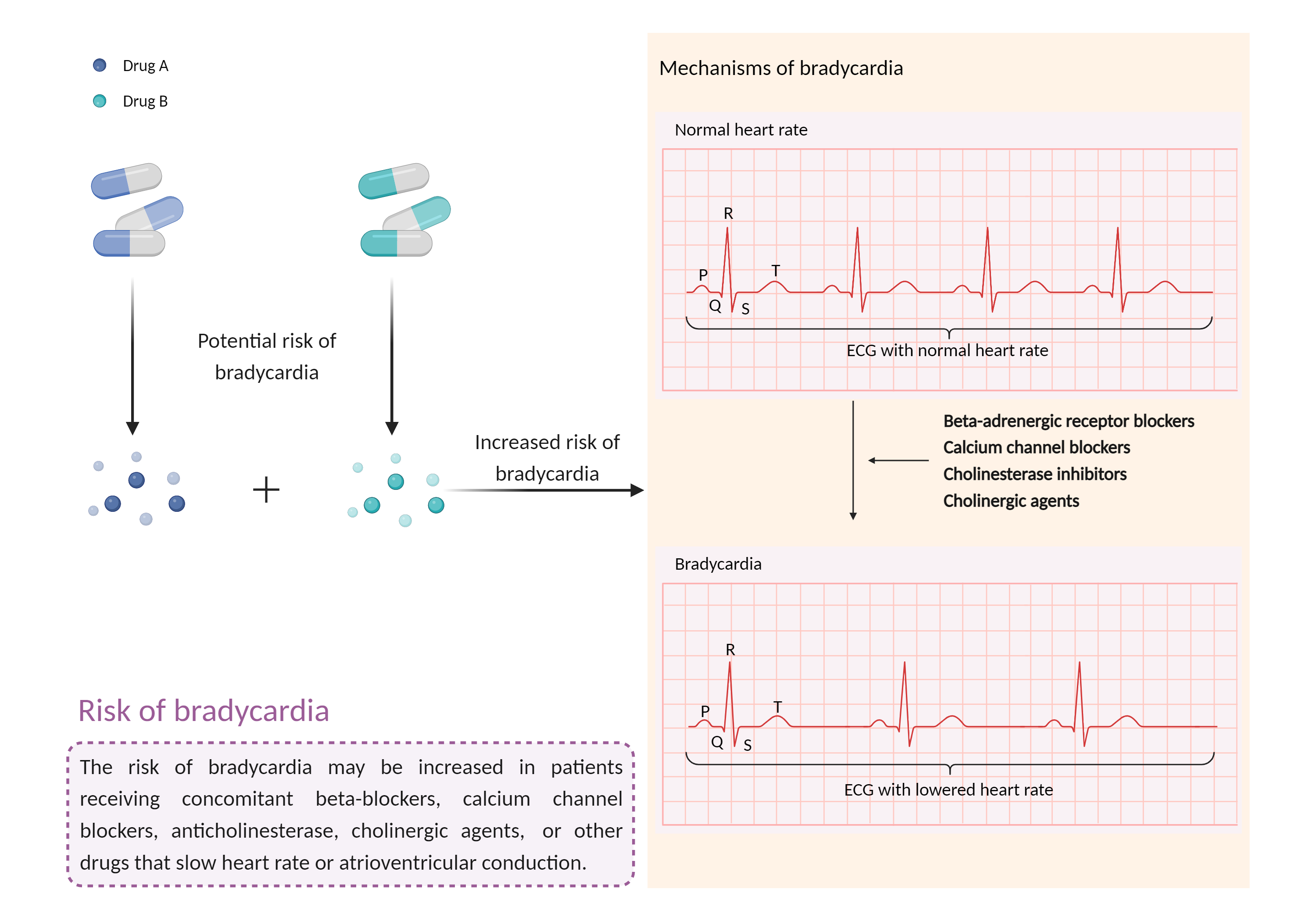
| Increased risk of bradycardia Click to Show/Hide Mechanism Graph | |||||||||
 |
|||||||||
| Drug Name | Betaxolol (ophthalmic) | Disopyramide | |||||||
| Mechanism 2 | Bradycardia | Bradycardia | |||||||
| Key Mechanism Factor 3 | |||||||||
| Factor Name | Bradycardia | ||||||||
| Factor Description | Bradycardia is a slow heart rate in which the heart beats less than 60 times per minute. If the heart rate is very slow and the heart is not pumping enough oxygen-rich blood to the body, and you may feel dizzy, very tired or weak, and short of breath. | ||||||||
| Mechanism Description |
|
||||||||
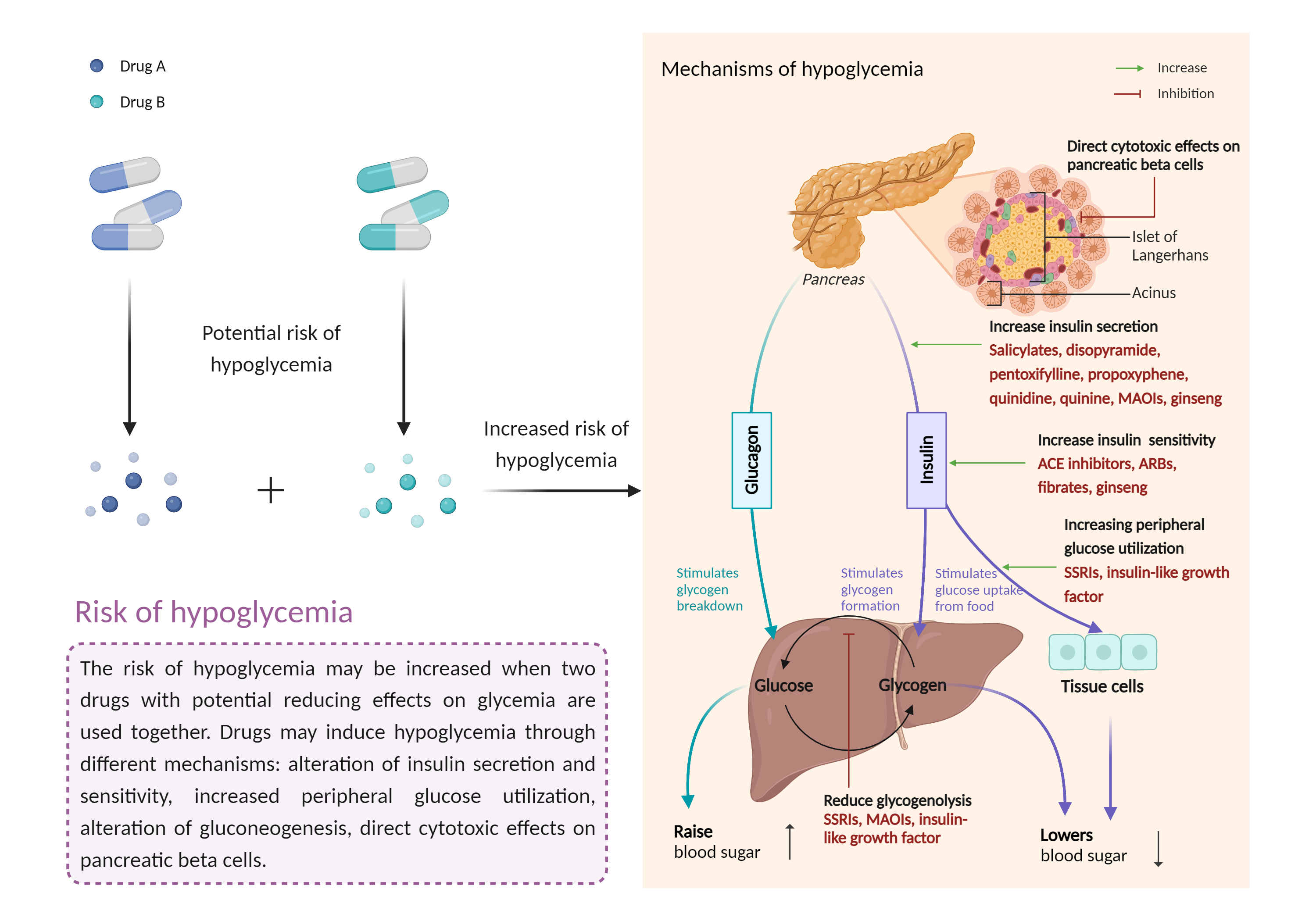
| Increased risk of hypoglycemia Click to Show/Hide Mechanism Graph | |||||||||
 |
|||||||||
| Drug Name | Betaxolol (ophthalmic) | Disopyramide | |||||||
| Mechanism 3 | Hypoglycemia | Hypoglycemia | |||||||
| Key Mechanism Factor 4 | |||||||||
| Factor Name | Hypoglycemia | ||||||||
| Factor Description | Hypoglycemia is a condition in which your blood sugar (glucose) level is below the standard range. It causes irregular or rapid heartbeat, pale skin, numbness of the lips, tongue or cheeks, and sweating. | ||||||||
| Mechanism Description |
|
||||||||
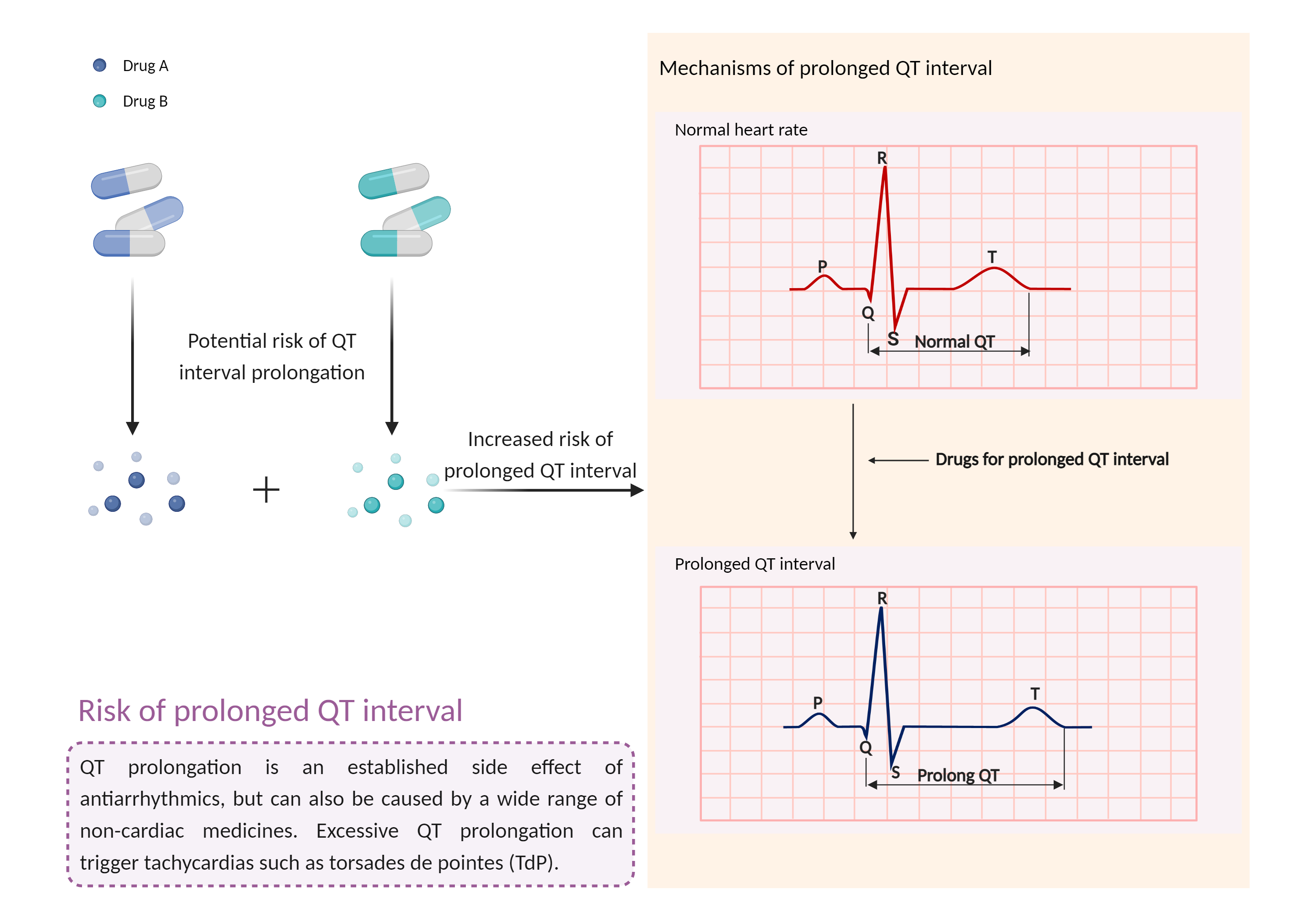
| Increased risk of prolong QT interval Click to Show/Hide Mechanism Graph | |||||||||
 |
|||||||||
| Drug Name | Betaxolol (ophthalmic) | Disopyramide | |||||||
| Mechanism 4 | Prolong QT interval | Prolong QT interval | |||||||
| Key Mechanism Factor 5 | |||||||||
| Factor Name | QT interval | ||||||||
| Factor Description | Long QT syndrome is a heart signaling disorder that can cause a fast, chaotic heartbeat (arrhythmia). Many people may not exhibit symptoms, and usually the condition is detected during routine medical tests. In others, the most common symptoms include: sudden fainting, palpitations, dizziness, seizures, sudden death. | ||||||||
| Mechanism Description |
|
||||||||
| Recommended Action | |||||||||
|---|---|---|---|---|---|---|---|---|---|
| Management | Although the interaction with disopyramide has not been reported when beta-blockers are administered ophthalmically, caution is advised because they are systemically absorbed and can produce clinically significant systemic effects even at low or undetectable plasma levels. Patients should be advised to seek medical attention if they experience dizziness, lightheadedness, syncope, palpitations, slow or fast pulse, or irregular heartbeats. | ||||||||