
Details of Drug-Drug Interaction
| Drug General Information (ID: DDI4V23JNO) | |||||||||
|---|---|---|---|---|---|---|---|---|---|
| Drug Name | Metyrosine | Drug Info | Nitrous acid | Drug Info | |||||
| Drug Type | Small molecule | Small molecule | |||||||
| Therapeutic Class | Antineoplastics | Antidotes | |||||||
| Structure | |||||||||
| Mechanism of Metyrosine-Nitrous acid Interaction (Severity Level: Moderate) | |||||||||
|---|---|---|---|---|---|---|---|---|---|
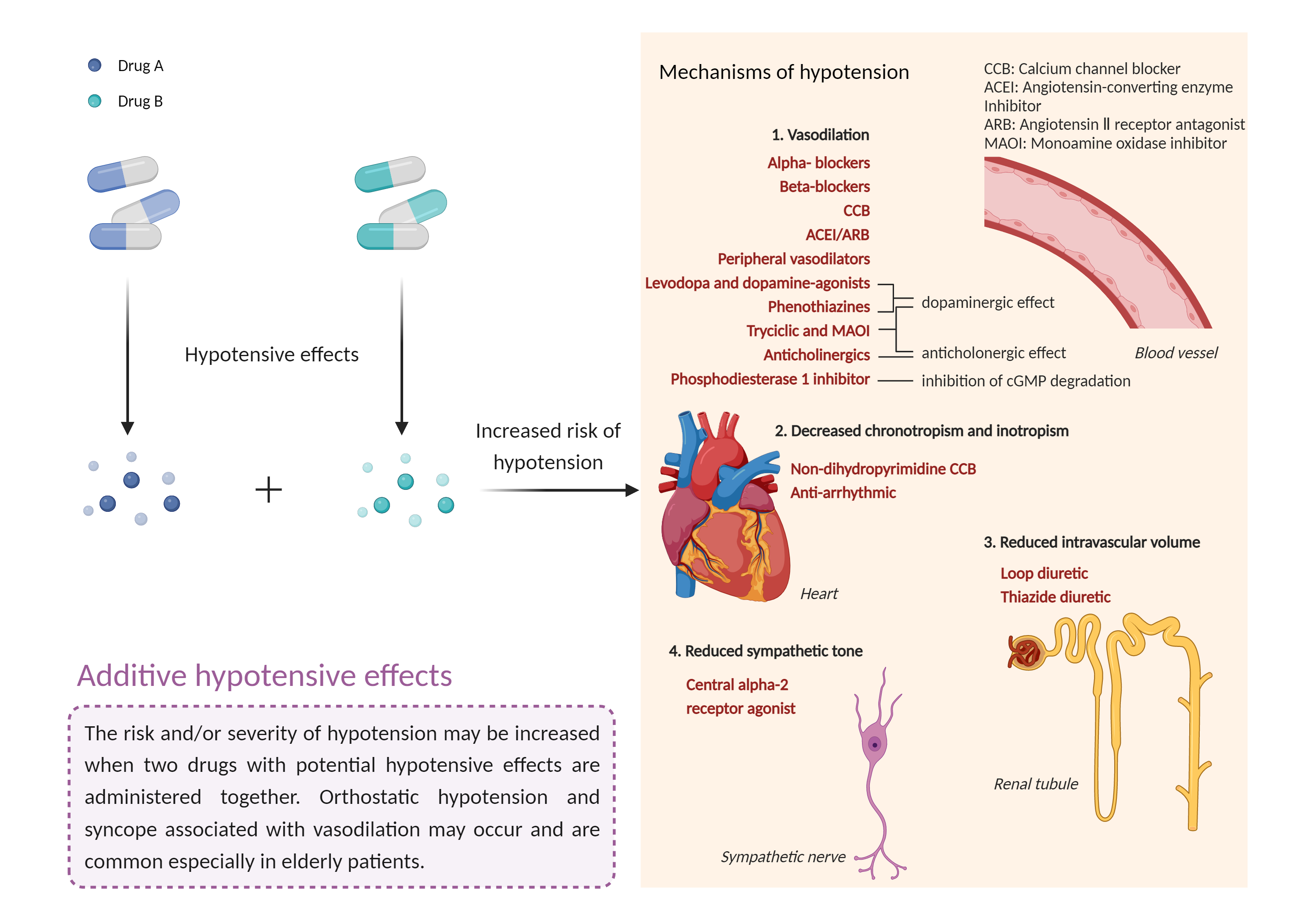
| Additive hypotensive effects Click to Show/Hide Mechanism Graph | |||||||||
 |
|||||||||
| Drug Name | Metyrosine | Nitrous acid | |||||||
| Mechanism |
Hypotensive effects Tyrosine 3-monooxygenase Binder |
Hypotensive effects Guanylate cyclase Agonist |
|||||||
| Key Mechanism Factor 1 | |||||||||
| Factor Name | Tyrosine 3-monooxygenase |
×
Structure
Sequence
MPTPDATTPQAKGFRRAVSELDAKQAEAIMVRGQGAPGPSLTGSPWPGTAAPAASYTPTPRSPRFIGRRQSLIEDARKEREAAVAAAAAAVPSEPGDPLEAVAFEEKEGKAVLNLLFSPRATKPSALSRAVKVFETFEAKIHHLETRPAQRPRAGGPHLEYFVRLEVRRGDLAALLSGVRQVSEDVRSPAGPKVPWFPRKVSELDKCHHLVTKFDPDLDLDHPGFSDQVYRQRRKLIAEIAFQYRHGDPIPRVEYTAEEIATWKEVYTTLKGLYATHACGEHLEAFALLERFSGYREDNIPQLEDVSRFLKERTGFQLRPVAGLLSARDFLASLAFRVFQCTQYIRHASSPMHSPEPDCCHELLGHVPMLADRTFAQFSQDIGLASLGASDEEIEKLSTLYWFTVEFGLCKQNGEVKAYGAGLLSSYGELLHCLSEEPEIRAFDPEAAAVQPYQDQTYQSVYFVSESFSDAKDKLRSYASRIQRPFSVKFDPYTLAIDVLDSPQAVRRSLEGVQDELDTLAHALSAIG
|
|||||||
| Gene Name | TH | ||||||||
| Uniprot ID | TY3H_HUMAN | ||||||||
| KEGG Pathway | hsa:7054 | ||||||||
| Protein Family | Biopterin-dependent aromatic amino acid hydroxylase family | ||||||||
| Protein Function |
Catalyzes the conversion of L-tyrosine to L-dihydroxyphenylalanine (L-Dopa), the rate-limiting step in the biosynthesis of cathecolamines, dopamine, noradrenaline, and adrenaline. Uses tetrahydrobiopterin and molecular oxygen to convert tyrosine to L-Dopa (PubMed:17391063, PubMed:1680128, PubMed:15287903, PubMed:8528210, Ref.18, PubMed:34922205, PubMed:24753243). In addition to tyrosine, is able to catalyze the hydroxylation of phenylalanine and tryptophan with lower specificity (By similarity). Positively regulates the regression of retinal hyaloid vessels during postnatal development (By similarity).
Click to Show/Hide
|
||||||||
| Key Mechanism Factor 2 | |||||||||
| Factor Name | Guanylate cyclase soluble | Structure Sequence | |||||||
| Protein Family | Adenylyl cyclase class-4/guanylyl cyclase family | ||||||||
| Protein Function |
There are two types of guanylate cyclases: soluble forms and membrane-associated receptor forms. Activated by nitric oxide in the presence of magnesium or manganese ions.
Click to Show/Hide
|
||||||||
| Mechanism Description |
|
||||||||
| Recommended Action | |||||||||
|---|---|---|---|---|---|---|---|---|---|
| Management | Sodium nitrite should be used with caution in the presence of concomitant antihypertensive agents, diuretics, vasodilators, or PDE5 inhibitors. Hemodynamics should be monitored during and after administration of sodium nitrite, and the infusion rate decreased if significant hypotension occurs. In addition, methemoglobin levels should be monitored and oxygen administered during treatment whenever possible. | ||||||||