
Details of Drug-Drug Interaction
| Drug General Information (ID: DDI1GHKEVA) | |||||||||
|---|---|---|---|---|---|---|---|---|---|
| Drug Name | Glimepiride | Drug Info | Clarithromycin | Drug Info | |||||
| Drug Type | Small molecule | Small molecule | |||||||
| Therapeutic Class | Antidiabetic Agents | Antibiotics | |||||||
| Structure | |||||||||
| Mechanism of Glimepiride-Clarithromycin Interaction (Severity Level: Moderate) | |||||||||
|---|---|---|---|---|---|---|---|---|---|
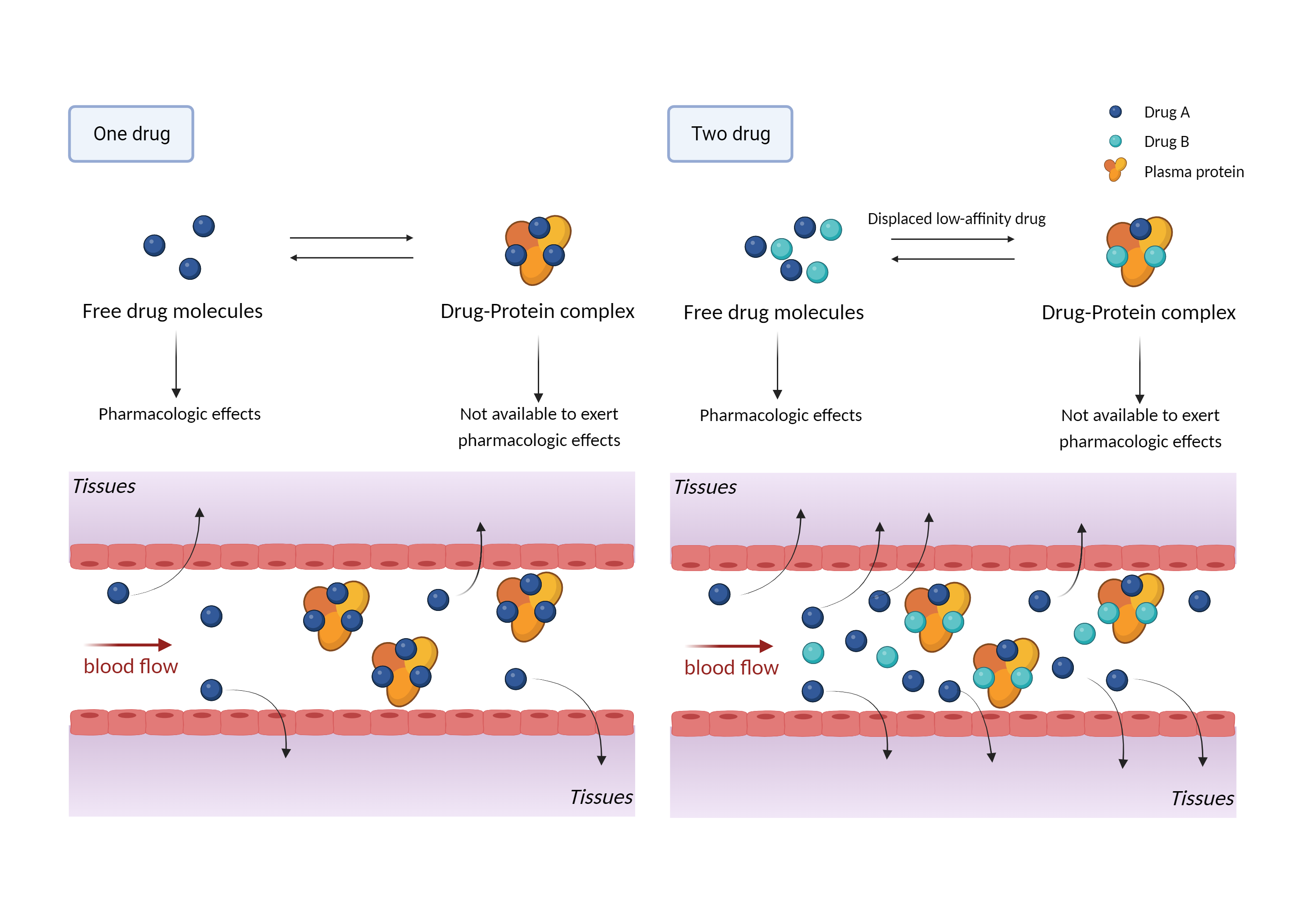
| Competitive binding of plasma proteins Click to Show/Hide Mechanism Graph | |||||||||
 |
|||||||||
| Drug Name | Glimepiride | Clarithromycin | |||||||
| Mechanism | Competition for plasma protein binding sites | Competition for plasma protein binding sites | |||||||
| Key Mechanism Factor 1 | |||||||||
| Factor Name | Plasma protein binding | ||||||||
| Factor Description | Plasma protein binding refers to the degree of binding of a drug to proteins in the blood, and the lower the degree of binding, the more efficiently the drug can cross cell membranes or diffuse. Plasma protein binding alters the distribution and therapeutic characteristics of the drugs. | ||||||||
| Mechanism Description |
|
||||||||
| Recommended Action | |||||||||
|---|---|---|---|---|---|---|---|---|---|
| Management | Clarithromycin should be prescribed cautiously to diabetic patients with renal impairment who are receiving sulfonylurea therapy, particularly if they are also elderly. Patients should be advised to regularly monitor their blood sugar and counseled on how to recognize and treat hypoglycemia, which may include symptoms such as headache, dizziness, drowsiness, nervousness, confusion, tremor, hunger, weakness, perspiration, and palpitations. The physician should be notified if an interaction is suspected. | ||||||||
| References | |||||||||||||||||||
|---|---|---|---|---|---|---|---|---|---|---|---|---|---|---|---|---|---|---|---|
| 1 | Bussing R, Gende A "Severe hypoglycemia from clarithromycin-sulfonylurea drug interaction." Diabetes Care 25 (2002): 1659-61. [PMID: 12196446] | ||||||||||||||||||